I managed to finish 2025 with even less games completed than before. Which is an absolute disappointment in my part, but what I have experienced were a couple of bangers including one that recently won Game of the Year and a couple that achieved acclaim when they were first released. We also have our first Nintendo Switch 2 experience as well as a new bunch of classic games to round-off the year.
While I am happy with what I have achieved, I definitely could have played and finished a lot more. So for 2026 I hope to achieve just that but it’s all about striking a balance between work, anime, games and life in general.
The Video Games I Played series compiles my thoughts about each game that I’ve written over on Anime UK News and stored them here on my blog. Like before, they were essentially a collection of what I liked/disliked for each one, and some will have more to say than others but that’s because of the huge scope of the experience. They’re lengthy write-ups which is why I split the post into two parts.
Part 2 will cover the remaining 11 games I completed between July to December, as well as one game that wasn’t done but I put a lot of hours into.
Death Stranding 2: On the Beach
Before the pandemic I took a chance on the first Death Stranding and was very surprised by how entertaining the gameplay was and while the story was a bit convoluted I really enjoyed the experience. I’ve always wanted to revisit the game but never bothered to pick up the director’s cut version. But now Hideo Kojima has released Death Stranding 2: On the Beach which I pre-ordered since it was part of The Game Collection’s rewards deal, and the best way to describe my experience was that it’s pretty much the same to how I felt with Final Fantasy VII Rebirth last year – and that it’s an amazing but long journey that you can easily get lost in.
I dedicated 117 hours of playtime traveling around Australia delivering packages, building various bridges and roads throughout my journey to make things easier for myself, whilst also listening to Low Roar from time to time. The feeling that you get driving around from Point A to B, listening to music, is a rather calming experience and I’ve not felt like this in a long time. A lot of video games tend to put you on the edge and have you focused on everything around you whether its for achievements or an enemy or annoyance in the way, but here you are just walking or driving around on a simple order and perhaps you may have some obstacles here and there but at the end is a rewarding thumbs up from the person who requested it.
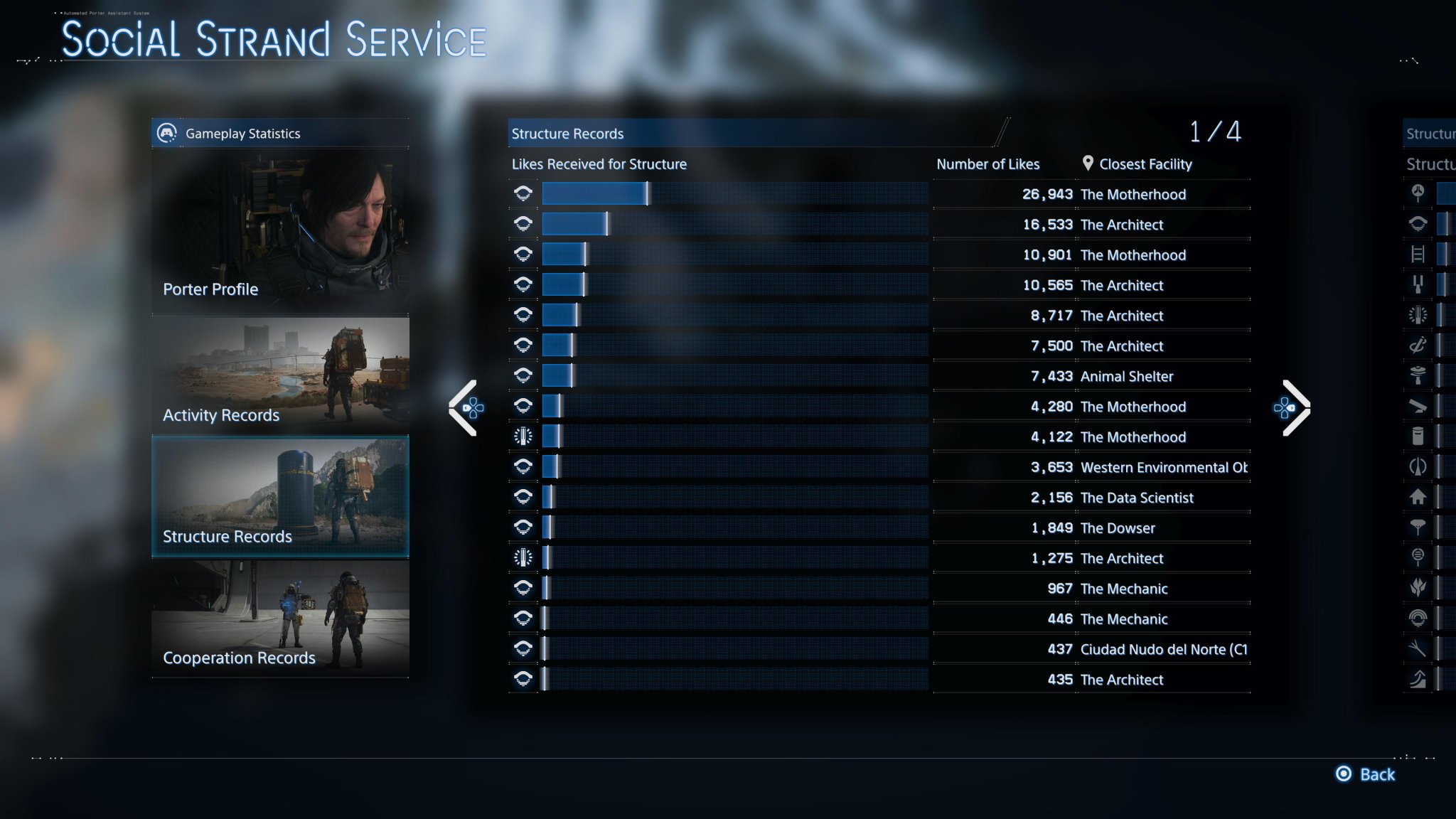
Death Stranding 2: On the Beach continues the story of Sam and Lou but rather than focusing on the United States like in the first game, the duo are now travelling through Mexico and Australia, the latter primarily for the most part. The goal is the same, reconnecting various outputs and putting them on the network which not only makes life easier but also adds more fun to the online community, as their various contributions also supports you whilst your contributions to fixing roads and creating objects supports theirs. For example, I made a bridge in the middle of the dessert and over 26,000 people witnessed it on their playthroughs, that is absolutely incredible.
The first game was known for having the ‘bare with us’ pace similarly to Yakuza 0 where you don’t have much creativity for your journey at first but then it slowly opens up with more opportunities such as different orders and objects to create. With Death Stranding 2: On the Beach, a lot of those features were moved forward in your progression, so being able to take out BTs and drive off-load vehicles comes sooner than later. The game does introduce more features over the course of the story so you don’t get everything right away which helps with the pacing.
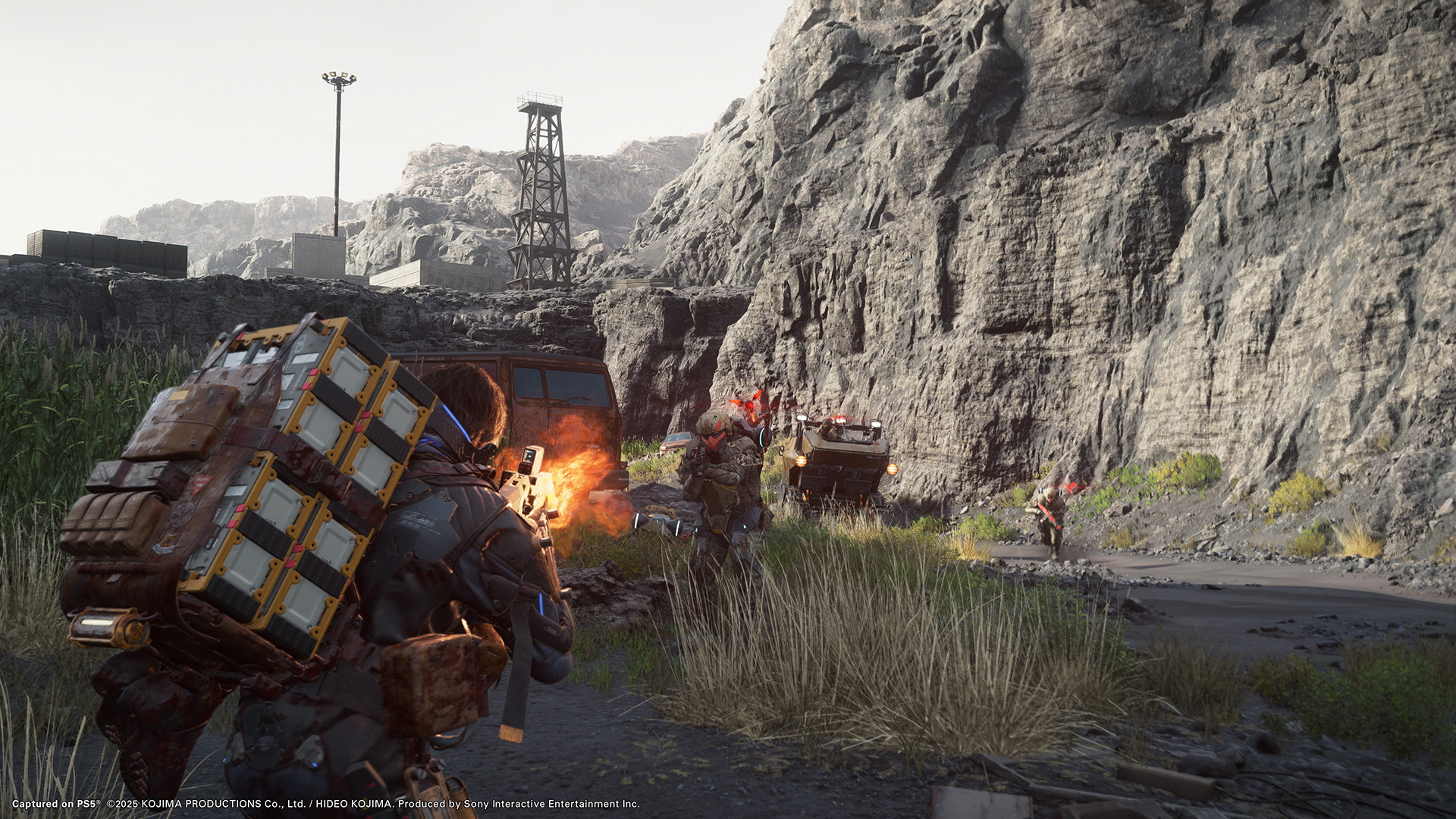
One notable difference with Death Stranding 2: On the Beach is that you now have proper weapons to take out the non-BT enemies scattered throughout the game, which the story does make reference to from time to time. You don’t kill them (because otherwise you would cause havoc thanks to the BTs) though that is possible and the game punishes you for that, so for the most part enemies are just hit with sleeping darts or so. I found using the assault rifle, rifle and grenade launchers have all been pretty handy.
The BTs also have a bit of an upgrade of their own, with a new type that can see where you are and they are not easy to deal with, but thanks to the grenades you can get yourself out of a bad situation fairly well. Outside of those types of enemies I didn’t mind stealth-killing other BTs and the boss fights you can encounter are also pretty cool, but you do need to be careful because of two things; your packages need to be kept out of distance so they don’t get damaged, and some BT bosses can cause a void out if you’re not paying much attention to your surroundings. On the plus side, you can capture BTs using a special grenade and have them fight alongside you in a Kaiju style fashion which is entertaining and very Kojima.
Like in the first game, you have a star system and the more stars you earn the better options you have for progression, which includes more resources such as metal, resin, and special alloys, and better connectivity to create more objects in the area. Some orders also add more music to your playlist and there’s various artists including Low Roar, Silent Poets, CHVRCHES, Woodkid, Daichi Miura that have songs available for you to listen.
The environments are diverse and fit the theme of Australia, with the traditional grey segments as well as snowy mountains, desserts and forests. No area felt the same so it makes it feel different though you can tell Australia should be much larger as it’s fairly easy to get from one side to the other of the country pretty fast on a vehicle. Drawbridge is also a new feature in this game that allows you to fast-travel to different outposts throughout the game but the game is sneaky to which your deliveries will have less points because its not directly done by you on the journey so you want to be tactical when it comes to order progression.
Most of the cast are back in this game and we also have new faces to witness, including George Miller (Mad Max director) making an appearance but with Australian performer Marty Rhone doing the voice work in a role similar to Del Toro and Nicolas Winding Refn, and German actor Fatih Akin (The Edge of Heaven) with US actor Jonathan Roumie (The Chosen) doing the voice work as the dollman who tags along with you on your journey and has been a great addition. The cast also features Italian actor Luca Marinelli (Mussolini: Son of the Century), US actress Elle Fanning (Predator: Badlands) and Japanese actress Shioli Kutsuna (Deadpool 2).
The Platinum trophy was fairly easy but lengthy. The main one is getting five stars on all outposts in the game and that is achievable but you want to put your resources towards completing the roads and railings because they are integral to making progression in certain areas much smoother to navigate. I never bothered much with most of the gadgets but I did find the home bases fairly useful to repair your vehicles and the bridges being the best portion for travel.
In terms of criticisms, I do think the game is tad padded out on content and the weapon controls during combat can be a bit messy especially when you need to switch weapons. There’s also one outpost that randomly damages your cargo just before the destination which is annoying and might be either intentional or a design flaw in the process.
Overall I really enjoyed my time with Death Stranding 2: On the Beach and I did finish the story about 90 hours in but spent more time to get the remainder of the trophies. The game also features a brief recap of the first game’s events if you have not played it before and the game’s conclusion is solid and opens the door for more if Kojima wants to do so.
Yakuza 3 Remastered
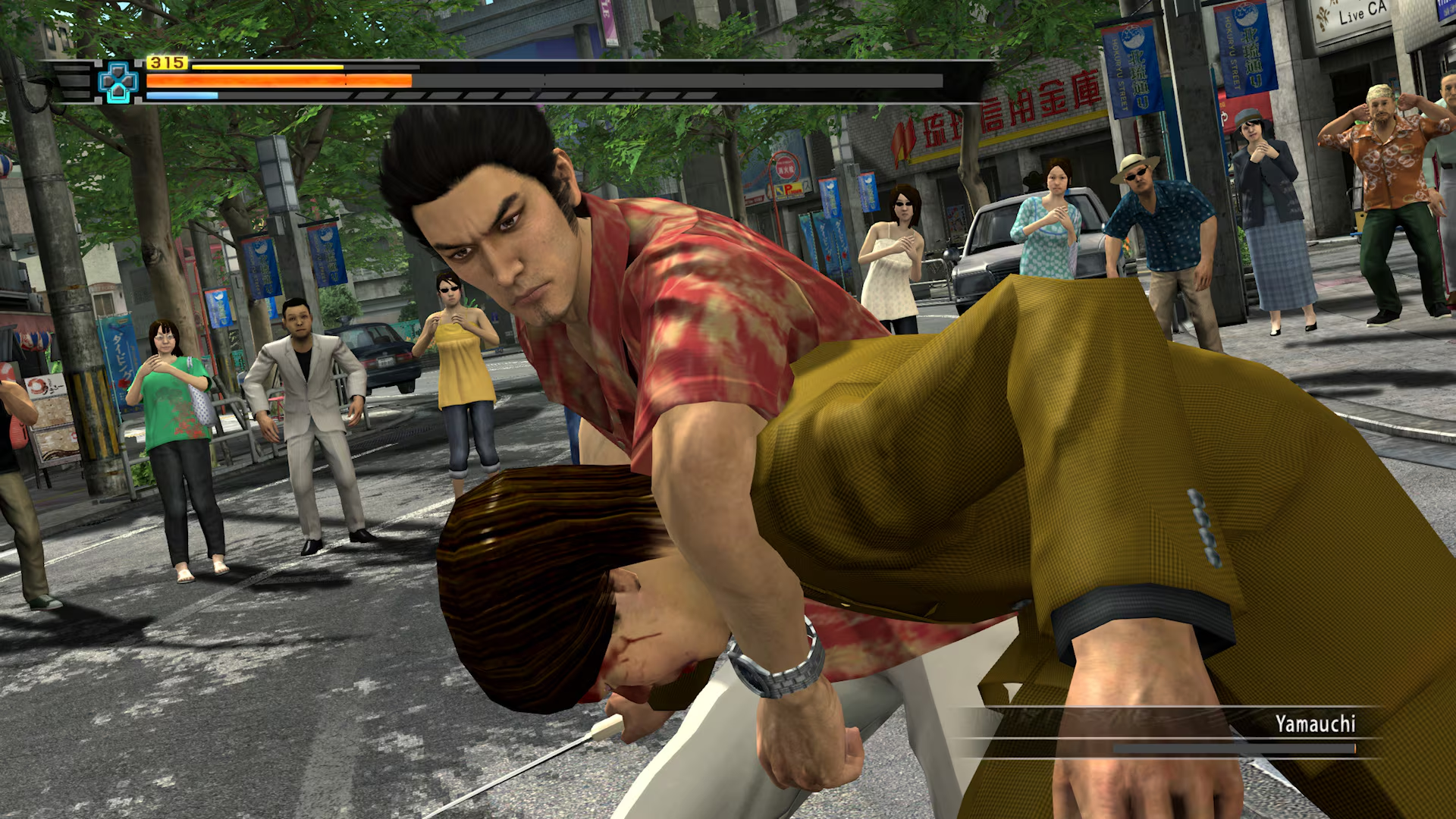
It’s been 10 years since I first played my first Yakuza game and that was the third mainline game in the franchise where Kiryu is chilling on Okinawa with his orphanage. The PlayStation 3 game was an interesting experience and while I was jumping in without playing the first two games (which at the time was not available in English on PlayStation 3 unless you went out of your way to get the PlayStation 2 copies), the game did a really good job getting you up-to-speed on what was going on and honestly I consider this a solid starting point for the franchise, especially considering its technically the weakest in the mainline series.
With the upcoming Yakuza 3 Kiwami remake being released in the coming months, I decided it was time to jump back into the world of the Yakuza franchise with the PlayStation 4 remastered collection, which for Yakuza 3 is a big deal because the original release did get edited for its western release and all of that cut content (mainly the hostess stuff) is back for English audiences to witness for the first time.
Yakuza 3 Remastered was pretty much the same game as the original with updated resolution and framerate to make the experience more smooth. Select cutscenes are clearly done in standard definition format so they don’t upscale amazingly but the ones done in-game look really good. The story was honestly better than I had remembered and I liked a lot of what it was doing, but one of the main characters is vastly under-used which is why Kiwami is going to be an interesting experience because they’re expanding on that a lot. But in general you can hop in without being lost in the mix which is good. There are pacing issues here and there especially with Kiryu dealing with the orphanage as it does take away from the seriousness of the Yakuza world, but at the same time it does flesh out these young characters since you will see them in later games in a brief manner.
What I did differently with this playthrough is make use of the game’s substories, which are side content where Kiryu gets involved with random situations whether its getting involved in a scam or beating people up to help someone. Every scenario ends with a brawl for the most part but it’s rather rewarding considering the ragdoll-esque physics you have around. There are some chase segments where you go after a food thief which was entertaining. There are over a hundred substories but a small number of them can drag for hours like the ones related to the hostesses so I didn’t want to go through all of that, but I did enough to complete at least 80% of them.
Now while substories are optional, it’s recommended because of the game’s build system. The more substories you complete, the more experience you will earn that you can use to max out your stats whether its to improve your health, your power bar, or learn new moves during combat. There’s also two individuals who can train you to learn new weapons and new attack moves to help you out. I got to a point where I was able to hold off big moves and do some parries especially during the boss fights. But the point is that if you don’t level up you will struggle a lot and spend way too much using items to deal with the boss fights for the most part especially during the ending portions where they have a habit of doing crazy moves.
If combat isn’t your thing, Yakuza 3 also includes a wide variety of mini-games. There’s fishing, bowling, pool, baseball, karaoke, golf, and more which is mad but they are each pretty decent. My favourite was pool because of the controls and how it works. The hostess stuff I generally don’t delve into much because I found it too complicated so I had to use a guide to essentially cheese it and it’s decent but it’s not as entertaining as Yakuza 0‘s real estate stuff.
I spent 27 hours on this remaster and I had a good time in general. This was made around the early days of the PlayStation 3 and I think the graphics, whilst now pretty dated, were impressive for the time and the gameplay is still pretty decent. Even though the Kiwami version will probably be the better game, at least SEGA remastered the PlayStation 3 games for modern audiences.
Yakuza 4 Remastered
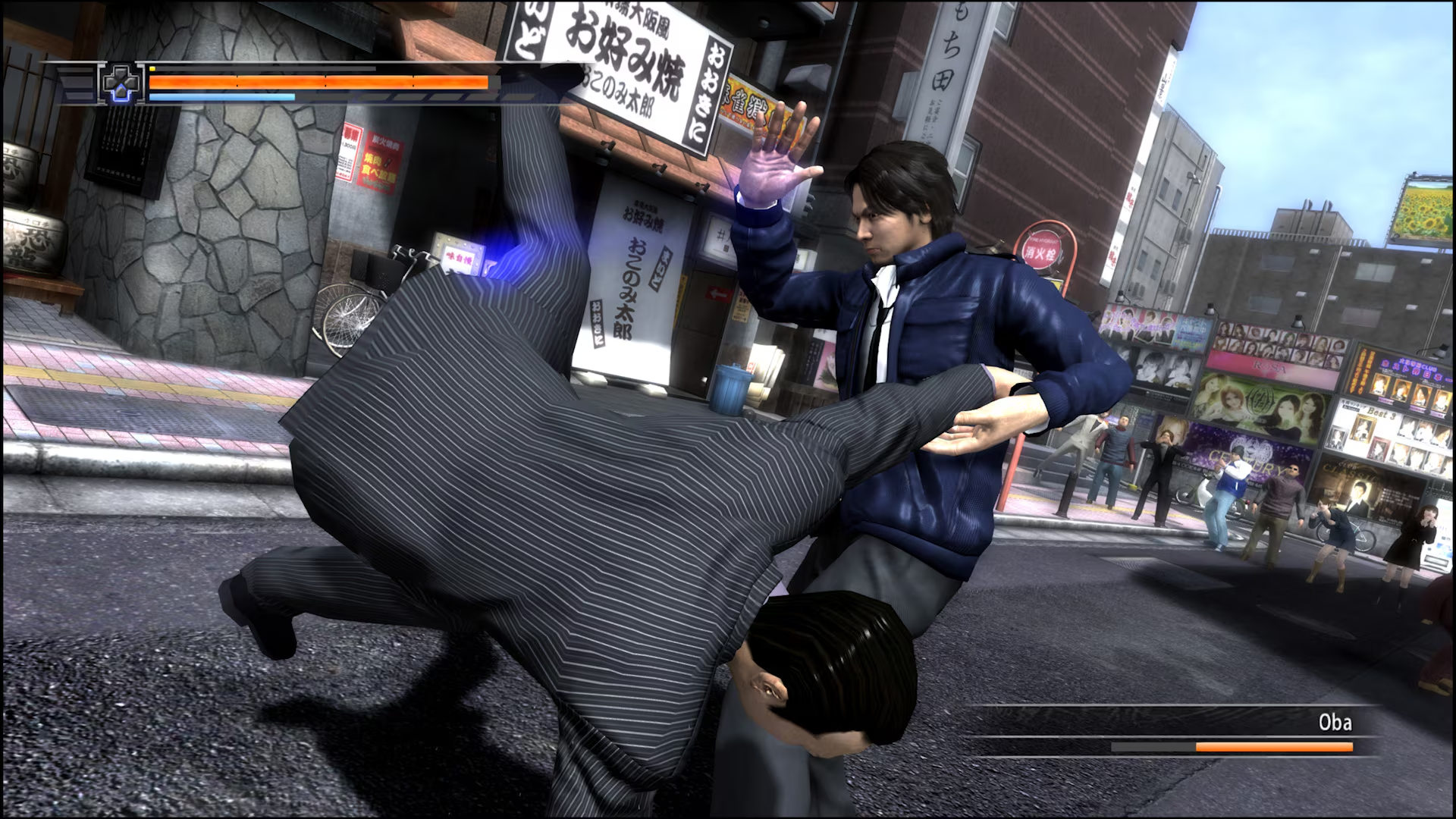
After wrapping up Yakuza 3‘s remaster, I decided to immediately hop onto Yakuza 4. Like the previous instalment, this one I also played on the PlayStation 3 back in 2015 and enjoyed it a lot, though most of what happened in the game I had forgotten since which is why these revisits make it feel like a new game to play.
For those that need a refresher, Yakuza 4 is the first in the franchise to focus on multiple characters rather than just Kazama Kiryu. Joining the franchise here we have Shin Akiyama (played by Koichi Yamadera, VA for Cowboy Bebop & Lupin III), a loan shark dude who likes to donate his money to people as long as those individuals are committed to changing their lives, Taiga Saejima (played by Rikiya Koyama, VA for Hajime no Ippo & Detective Conan) a convict who shot dozens of people in a restaurant back in the 80s who wants to know more about what transpired that day, and Masayoshi Tanimura (played by Toshiki Masuda, VA for My Hero Academia & Samurai Flamenco), a police officer investigating the death of his father from the shooting incident whilst supporting foreign people living in Kamurocho. Tanimura’s actor was also changed in the remaster as Hiroki Narimiya, who played the character in the original game, left acting due to allegations of cocaine (drugs is a big no-no in Asian culture for context).
With each of these characters also means a different combat system. Yakuza 3‘s setup was a rather restrictive as you had to level up four categories to unlock more moves, whereas in Yakuza 4 you now have the option to pick any particular move set as long as you have enough orbs to redeem them. The moves can range from a single orb up to four orbs, the higher the orb count the better the ability. These abilities range between new fighting abilities, being able to counter-attack and also unlock more ways to knock enemies out when your heat meter reaches max level. As for each character, they have different fighting styles. Akiyama is similar to Kiryu but uses his legs to fight his opponents. Saejima is a brute type who deals only heavy attacks. Tanimura has an emphasis for parries and avoids using guns against his opponents. And Kiryu is the same as before who can deal light to heavy attacks and use any objects and parries.
The previous game included two locations, but Yakuza 4 returns to focusing solely on Kamurocho with new areas to explore in the city. You can now move around the rooftops in parts of the area, checkout a small row of shops near the front of the city as well as a parking lot, and the underground levels have more exploration including the path underneath the theatre building. It is still a maze to see which street is which and where things are but it’s not too bad. The substories all make a return with a few interconnected ones available for each of the cast members. Akiyama’s dealt with a man who lost a company and wants to build a new one. Saejima’s focused on a young boy looking for his sister who’s caught up with a yakuza gang. Tanimura’s investigating his father’s secret partner with a former cop. Kiryu’s I didn’t see any that were special but he does encounter various gang members who are referencing previous games. Like before these are optional but you will need to go through them to earn enough experience to level up otherwise you will struggle with a lot of the boss battles, especially during the final act.
In terms of the narrative structure. The game focuses on a character at a time. You start with Akiyama first which is a smart move since it makes the game more friendlier to newcomers whilst also introducing a new character to the franchise. His story is pretty interesting and leaves you with more questions than answers as you progress. Saejima’s story unravels bit by bit as you learn more about why he did the job but also wanting answers for what happened so you see more of his side of the ordeal. Tanimura’s story fills in the blanks more as he witnesses more of what’s going on from the prior two stories on his end. And Kiryu’s story is surprisingly the shortest as you go from one point to another and end the chapters rather fast. Kiryu’s story in general is similar to Tanimura’s where it fills in the blanks so you can get the bigger picture. But what makes the journey interesting is seeing all four characters eventually interact with each other in a rewarding way and wraps up pretty well. The story in general is a bit convoluted but I think they did a good job getting the message across.
The mini-games all return from previous games including fishing, bowling, pool, baseball, karaoke, golf, hostess and more which I didn’t bother too much on this time around, but you also have a few more which are more combat related including stopping criminals in Tanimura’s case and training a young fighter for Saejima’s case.
I spent 25 hours on this remaster and once again enjoyed the experience. There is repetition when you go from Yakuza 3 to 4 but I think Yakuza 4 has aged a lot better despite using the same game engine and both the story and characters offer an intrigue to the game and makes you want to earn more about what’s going on.
Shadow of the Colossus Remake
Almost a decade ago, not long after they first revealed a remake of the classic game I had a go at the PlayStation 3 HD Remaster for Team Ico’s Shadow of the Colossus and I really enjoyed my time with it despite some issues with the controls. I didn’t get around to picking up a copy of the PlayStation 4 remake until much later and part of the delay was due to backwards compatibility issues on PlayStation 5. Eventually Sony patched the game and got it working, and I only just got around to giving it a try recently.
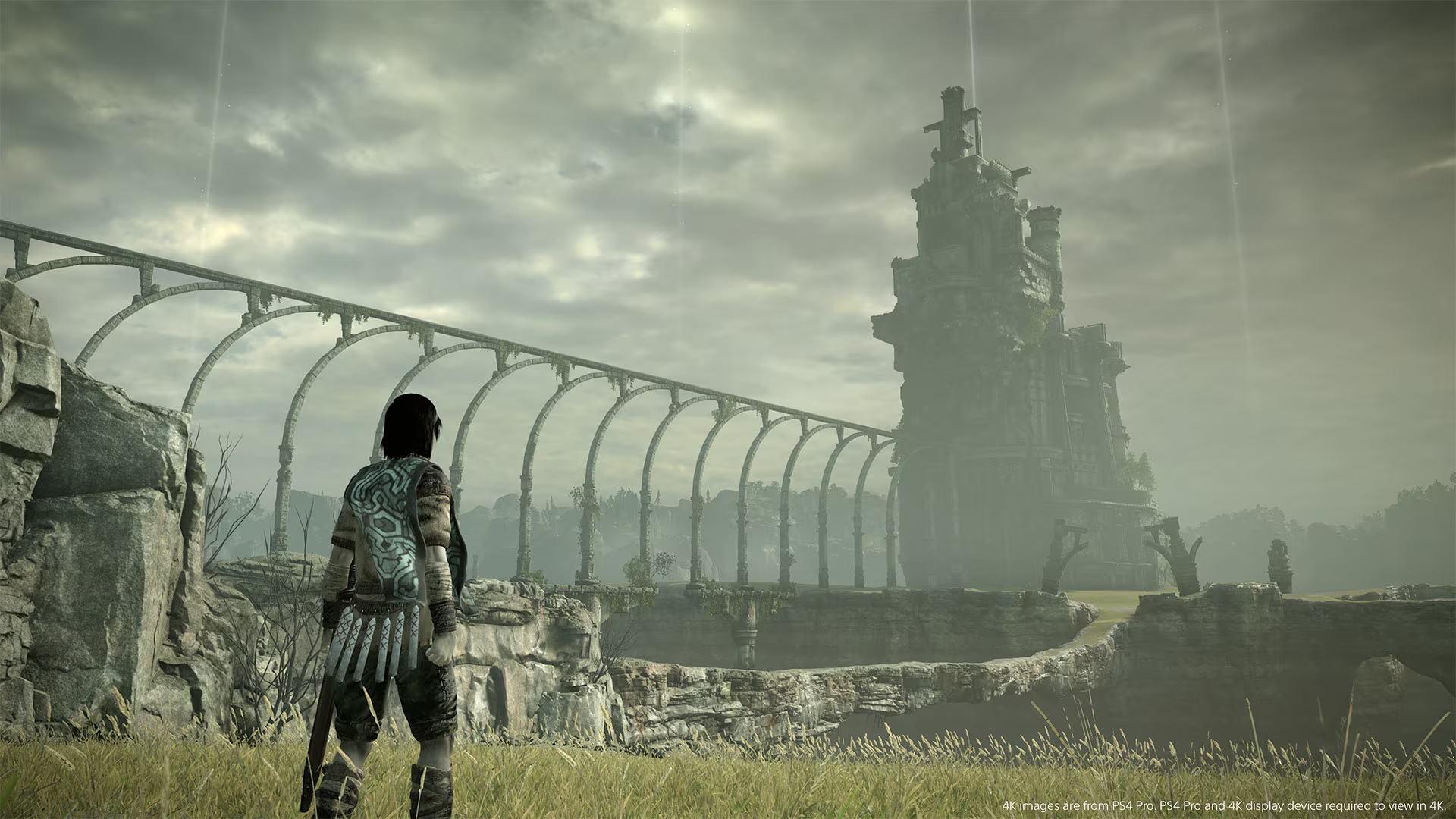
Despite the original being developed by Team Ico and Japan Studios, the remake was instead developed by Bluepoint Games, the folks behind the Demon’s Souls remake and the HD remasters for Metal Gear Solid HD Collection. The studio are known for their quality presentations and this game looked amazing. Granted, it’s a very empty world in a sense but the environments looked really nice and both the character models and colossus beings also looked good.
For those unfamiliar with this game, the goal is you travel from the centre of the map, which is a big tall building structure, towards the location of the colossus somewhere on the map, which you can use you sword towards the light to identify its location, and defeat it. Upon defeating the colossus, you’re brought back to the building to which you rinse and repeat. It’s a very simple concept which worked for the time considering this game was made for the PlayStation 2.
There’s no teleporting or quick jump like modern games. Instead, you ride a horse who moves like a tank so you will need to get used to how it works. The controls for the horse are fine but I struggle to understand how the speed works because there were many occasions where I never understood why it was going fast or slow. At least its easy to hop on and off. There was an issue with the horse during forest segments as it struggles to move around the terrain which breaks the pacing so I had to get off, run around the area, then call to continue.
And there’s another major issue I encountered during my playthrough. The camera controls are absolutely messy. For some reason it moves around way too fast to the point that I was experiencing signs of motion sickness which I had never encountered during the HD remaster version. I had to set the camera sensitivity down to 0 so that it was slower and thankfully it fixed the issue. It’s a shame because the rest of the game performance wise was pretty solid with 60fps (and there is a high resolution version, but you don’t want to go with that due to very clunky performance).
As for the colossus fights themselves, they were great. I liked the sky and water ones more because when you hang onto them its like going on a rollercoaster ride. The one I struggled with the most was when I had to get one of them all around the area just to get the roof to land on top of them which took ages to get to work. There was also the one where fire was required to make it fall off the edge which was a bit annoying getting rag-dolled to death a couple of times. But in general a good majority of them were really entertaining to experience. The final one I had some issues with due to having to quickly aim with the arrow otherwise you will fall off due to the hand moving around too much.
I think overall Shadow of the Colossus on PlayStation 4 is a great way to experience this classic. With some adjustments you can pretty much breeze through this four hour journey without too much hassle. There’s also New Games Plus mode if you want to try it on a higher difficulty or experience it in a mirror mode of sorts.
LEGO Star Wars II: The Original Trilogy
With the holiday season approaching it was time to check out more classic games on PlayStation 5 and the first one that I decided to look at was a weird inclusion to the Classics catalogue. Back in 2006 I played LEGO Star Wars II: The Original Trilogy on the PlayStation 2 and finished it at 100% which I was very happy with and a fun experience to play. This, and the first game, eventually became the normal routine of LEGO games moving forward and to see Disney (who own Lucasfilms’ IPs like Star Wars) bring the game onto the Classics catalogue, it made complete sense considering they can’t necessarily sort out PlayStation 3 emulation yet so LEGO Star Wars: The Complete Saga was off the table.
In June 2024, Sony and Implicit Conversions were able to introduce PlayStation 2 games onto the service and whilst we received a couple they were still offering games for PlayStation and PlayStation Portable, and one of those games that were added in that first month happened to be LEGO Star Wars II: The Original Trilogy – but not the PlayStation 2 version, it was the PlayStation Portable version instead. So while this is a revisit to the game for me, this was the first time that I would be playing the PSP version instead. And honestly, it aged pretty well for the most part.
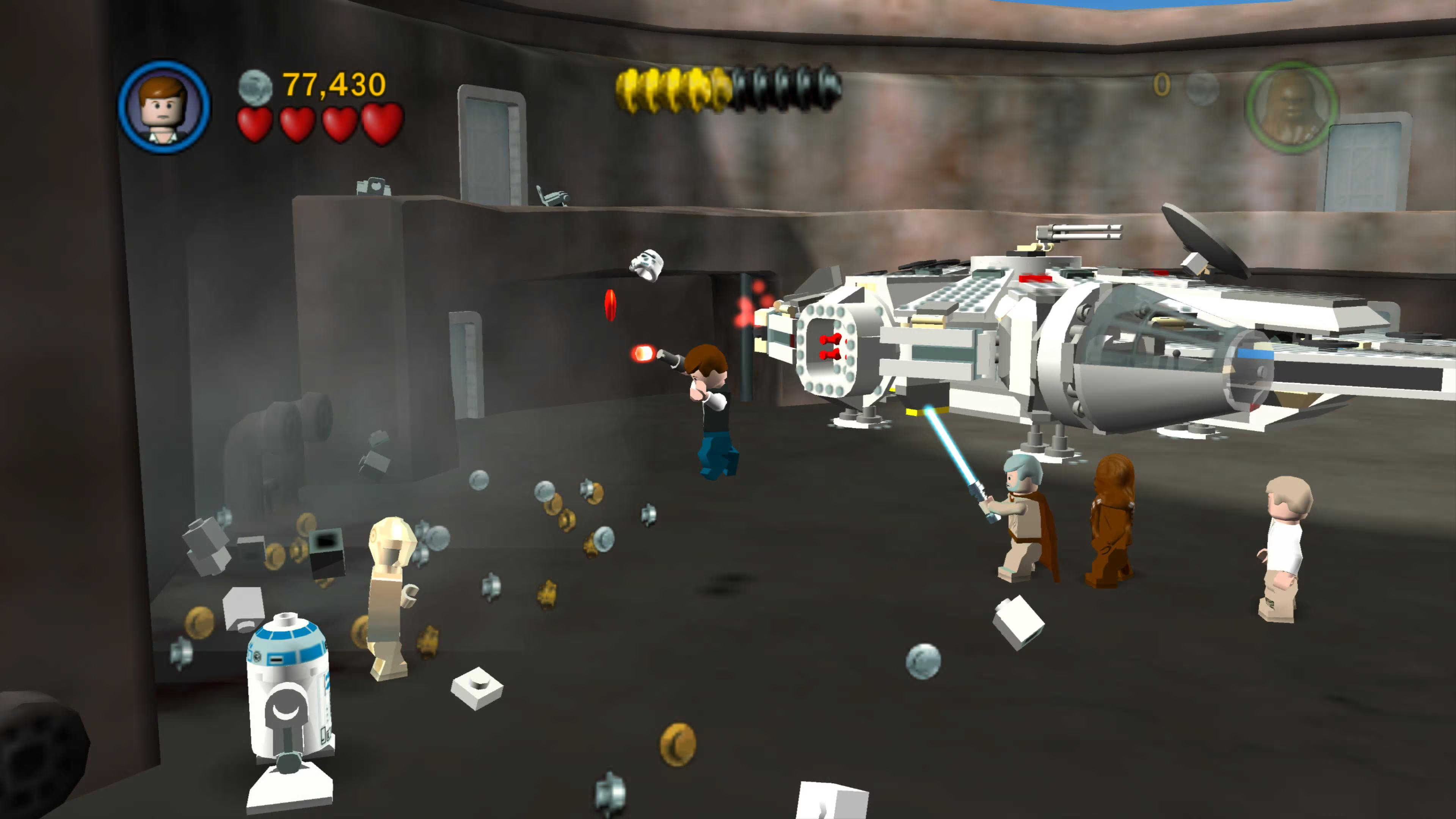
The gameplay, for those who don’t know, starts off with a mini-hub where you and one other playable character can destroy various components, visit a store, view the vehicle components you built from collectible mini-kits and also access the levels for each film that this game covers. You start off with access to Star Wars Episode IV: A New Hope first, and as you progress you will also unlock Star Wars Episode V: The Empire Strikes Back and Star Wars Episode VI: Return of the Jedi as well as one-off bonus levels that are based on the final stages from LEGO Star Wars: The Video Game (which are exclusive to the PSP version as the developers weren’t able to include the bounty mission content on the UMD disc).
Throughout the game when you destroy objects and components, you will receive small LEGO studs that are coloured depending on how they’re worth (with blue being the best) that can be used as this game’s currency to purchase new characters, vehicles, tips and also cheats. The cheats can be used throughout your game to help you gain a multiplier on the studs you earn (up to x3860 which is insane), faster pacing and also be immune to damage. You start off slow with the stud collecting but the more you progress you will eventually be able to use them to unlock more content. The cheats don’t interfere with the 100% completion and trophies as well.
In each stage, you follow the storylines bit by bit and do various linear tasks from building a door, fighting enemies, using different characters to access doors and machines, and collecting mini-kits that are hidden throughout the game. There are also red bricks that you can also find that will allow you to unlock the cheats in the store which you would then need to pay with the stud credits. After each stage is done, you will earn a gold brick (which there are 99 in total) and have the option to replay the game in Free Mode.
Free Mode is replaying the same stage but you can play as any character which will be needed to locate any missing mini-kits you couldn’t uncover due to being cleverly hidden or they’re locked behind a door, gate or silver/black object that required a different character. In most stages you’re going to need at least a short character, a Sith character, a Bounty Hunter character, a Droid, a Stormtrooper and someone who can rope their way across specific platforms. In the vehicle levels you only need an Empire ship to get through those gate sections. In addition to Free Mode, there’s also a Challenge Mode which is also exclusive to the PSP version where you will need to locate 10 Blue Mini-Kits in a time limit, these are in different positions to the White Mini-Kits and I have missed a few without a guide so it’s not as easy as it looks.
When you finish the six story stages, you will also be able to build a door in the mini-hub that offers an extra set of modes you can check out – a ‘Super Story’ which is all six stages back to back with a time limit of under an hour to beat, and two separate levels where you play a character and a vehicle and you must earn 1 million studs in roughly 5 minutes. This is repeated across each film.
LEGO Star Wars II: The Original Trilogy was a super fun game, but what I found with this PSP version and especially for the 100% completion is there’s a lot more repetition than I remembered from the PS2 release and I wonder if the issue is the Challenge mode content as it just felt like you have to replay the same stage about 3-4 times just to do everything 100% for that section and to repeat it for each stage was rather tedious and did burn me out a bit at times. Miraculously the stages are fairly short but it has a grind problem so I do wonder if this was rectified in the later LEGO games (I have played LEGO Batman, LEGO Indiana Jones and LEGO Harry Potter but it’s been a long time since those ones).
In terms of the PSP emulation on PlayStation 5, it looked pretty damn good and almost identical to the PlayStation 2 release with the difference being the quality of the studs being low-res and some of the UI is a bit upscaled but overall it ran really well and no crashes. It took me 22 hours 35 mins to 100% and reach the 4 billion studs to receive the Platinum trophy.
Star Wars: Demolition
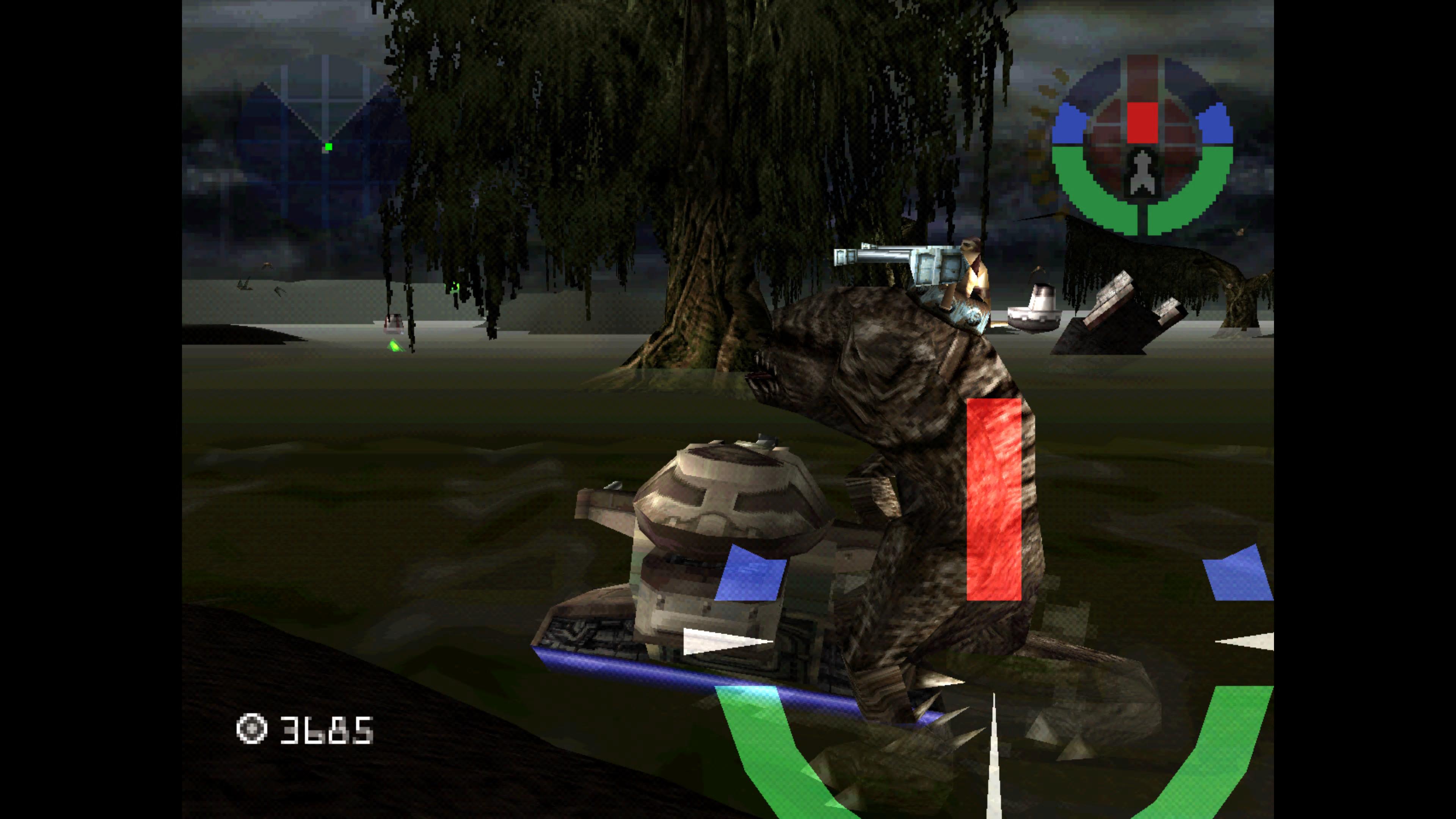
The next game I played from the Classics programme continues the Star Wars theme and that’s a game that a lot of people were baffled by its inclusion. Considering how many of the games in the Star Wars franchise have been re-released whether it’s a port, remake or a remaster, Star Wars: Demolition deserved to share the spotlight as well because it’s actually much better than I had anticipated going in.
Star Wars: Demolition is a vehicular combat game in a similar format to the Twisted Metal games and it was developed by Luxoflux, the folks behind the Vigilante 8 games as well as Shrek 2 and the True Crime video games (before the franchise moved to Square Enix as Sleeping Dogs). And what will capture your attention the most is the game’s user interface and gameplay system because it’s very intriguing by design.
To summarise how it works, you have a circle bar on the top-right corner of the screen. The top-half focuses on the shield that protects your vehicle, while the bottom-half is your vehicle’s main health. The bars in the middle relate to the weapons, so the left-hand side is for special attacks that you can use from power-ups that you can pick up on the arena, while the right-hand side is your standard weapon attack. You can hold the button down to charge up these attacks to send multiple bullets/shots against your opponents. If you can hit your opponents without taking damage the little yellow dots will also appear on the left-side of the circle which you can use to perform Force Attacks that deal a lot of damage. This took me a while to understand how the game’s mechanics work but once you figure it out, the game becomes a lot more fun to play.
The controls were a bit weird at first but they’re pretty simple which is accelerate using X and the L & R buttons for weapon attacks. Each vehicle will have their own style and that’s where the game’s flaws start to emerge because there are balancing issues. The most notable example that I encountered was with the AT-ST which plays terribly because it’s a tall vehicle so opponents can sneak by and attack you without you having a chance to fight back at close range. Then you have a vehicle like the AAT Battle Tank that can absolutely destroy a chunk of an opponent’s health with its basic attack charged up and it’s insane to witness. The other vehicles weren’t too bad and played pretty fine, including Boba Fett who’s just himself hovering around.
The game has various modes available upfront. The tournament mode is the main mode for story-purposes and it’s similar to Twisted Metal where you start off with one opponent and each stage adds another opponent until you have about 4-5 in the arena. There’s also Hunt-A-Droid mode which is a simple task of destroying x amount of droids within a time limit, and High Stakes mode where you can bet and earn in-game money in duels that can help you with your battles.
The level design for each arena was also really good and I liked how each one has its own variety and life put into it. For example the Naboo level has an audience that will watch the battles, the Hoth level has Empire vehicles and the monster throwing boulders to get in your way, and Tattoine even includes the classic pit that loves Boba Fett. In each of these arenas there will also be blue and red zones that you can drive into. The blue zone will regain your energy to keep your shield levels up, while the red zone regains your power that you need to use for your weapons. The weapons do eventually run out of power, so this is how you can gain it back quickly, but both blue and red zones will require the in-game money in exchange.
One last bit to comment on is the enemy AI in this game. The opponents tend to chase after you rather than fight each other for most of the battles that I have played, which does make various situations rather tedious to go through but for the most part it was doable. But I will say it’s nowhere near as messy as Twisted Metal was when it came to knocking your health down.
Star Wars: Demolition was a big surprise and I recommend giving this game a shot. I’m also surprised that it didn’t get the remastered treatment before it was added to the Classics programme. Trophies was added to the game post-launch and they were fairly simple since you don’t need to 100% the game to get the Platinum trophy, just experiencing the three game modes and playing through Tournament mode with 6 playable characters. I got the Platinum after 3 hours of progress.
2Xtreme
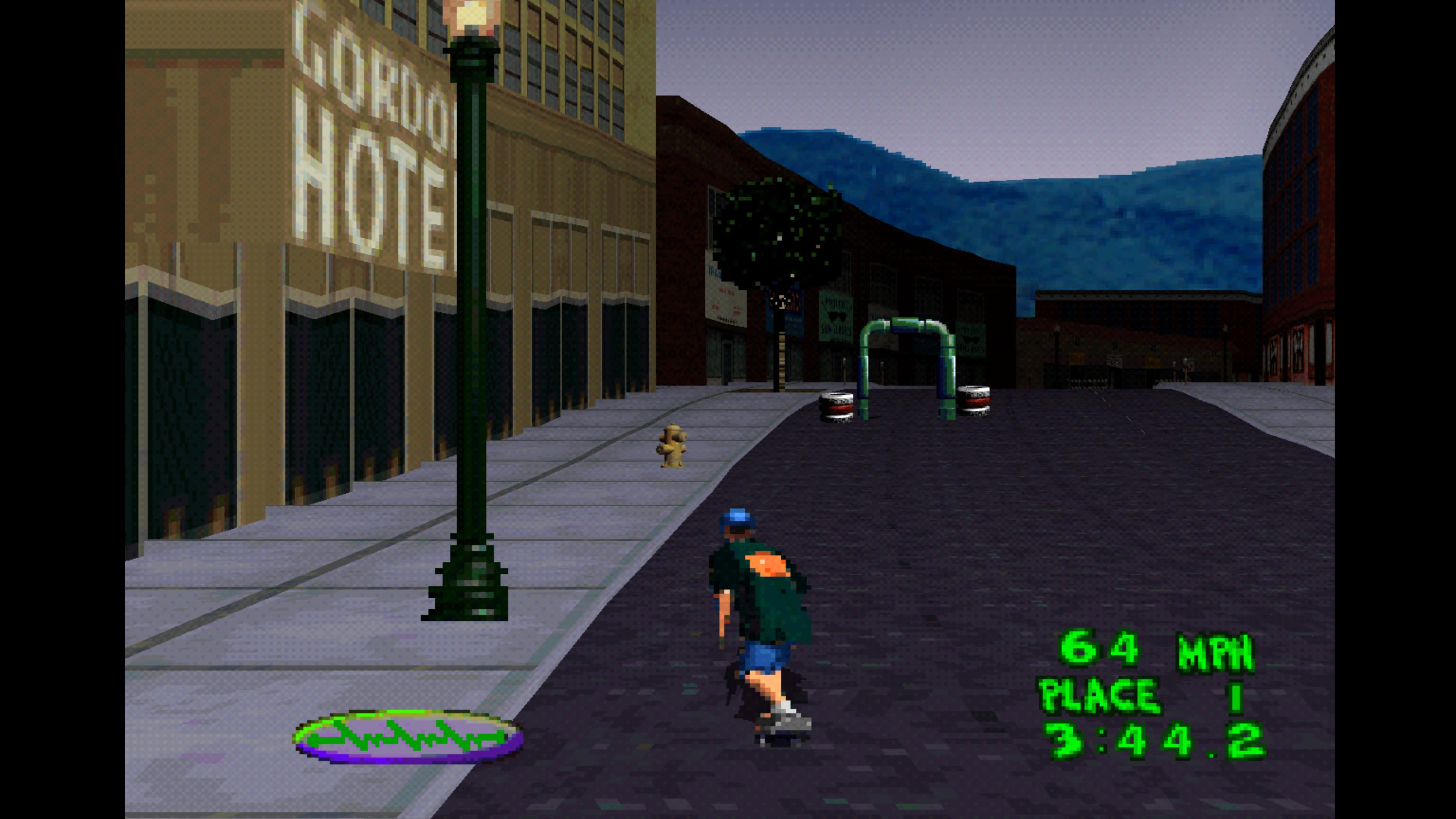
Next is another fairly short first-party game for Sony called 2Xtreme released in 1996, which is a sequel to their launch title ESPN Extreme Games which not long after lost the license to use the ESPN branding so it was eventually re-released as 1Xtreme to keep it consistent with the later games. This is a sports game where you can play rollerblading, skateboarding, biking, and snowboarding across a few stages set in Los Angeles, Las Vegas, Africa and Japan. Each sport type in all honesty played pretty much the same for the most part with the main differences being the tricks that you can do in the air after going off a ramp.
Graphically its decent and looked impressive for what it was at the time but I would say it hasn’t aged well. I can definitely see this being popular for multiplayer and the menu design was rather different to what I had imagined. Gameplay in general was fine but it wouldn’t be the type of game that I would go out of my way to pick up right away. I also never understood how the trick system works and I struggled to make it work during most of my playthrough even after looking at a guide on what buttons to press.
If there is a positive to mention, the game does offer you the option to create your own character and customise the stats to make your character faster or slower or even stronger or weaker in the levels which adds more replay value and is pretty cool to see.
But overall it was clear that 2Xtreme wasn’t for me, and I preferred the other games that I tried on the Classics programme like Jet Moto. At least it was on PS Plus Premium and had a go. I managed to get the Platinum trophy after 2 hours of playtime, which was going through the game’s Exhibition mode.
Star Wars: The Clone Wars
After the last game I decided to back to the Star Wars theme and play another one that was also available on the Classics programme called Star Wars: The Clone Wars and just so happen to be the very first PlayStation 2 game to be included in the programme using the latest emulator that Implicit Conversions worked on.
This game was honestly much better than I had expected and more importantly was also really fun. Honestly I should have known that going in because it was developed by Pandemic Studios, who would later develop Star Wars: Battlefront 1 & 2 games a few years later.
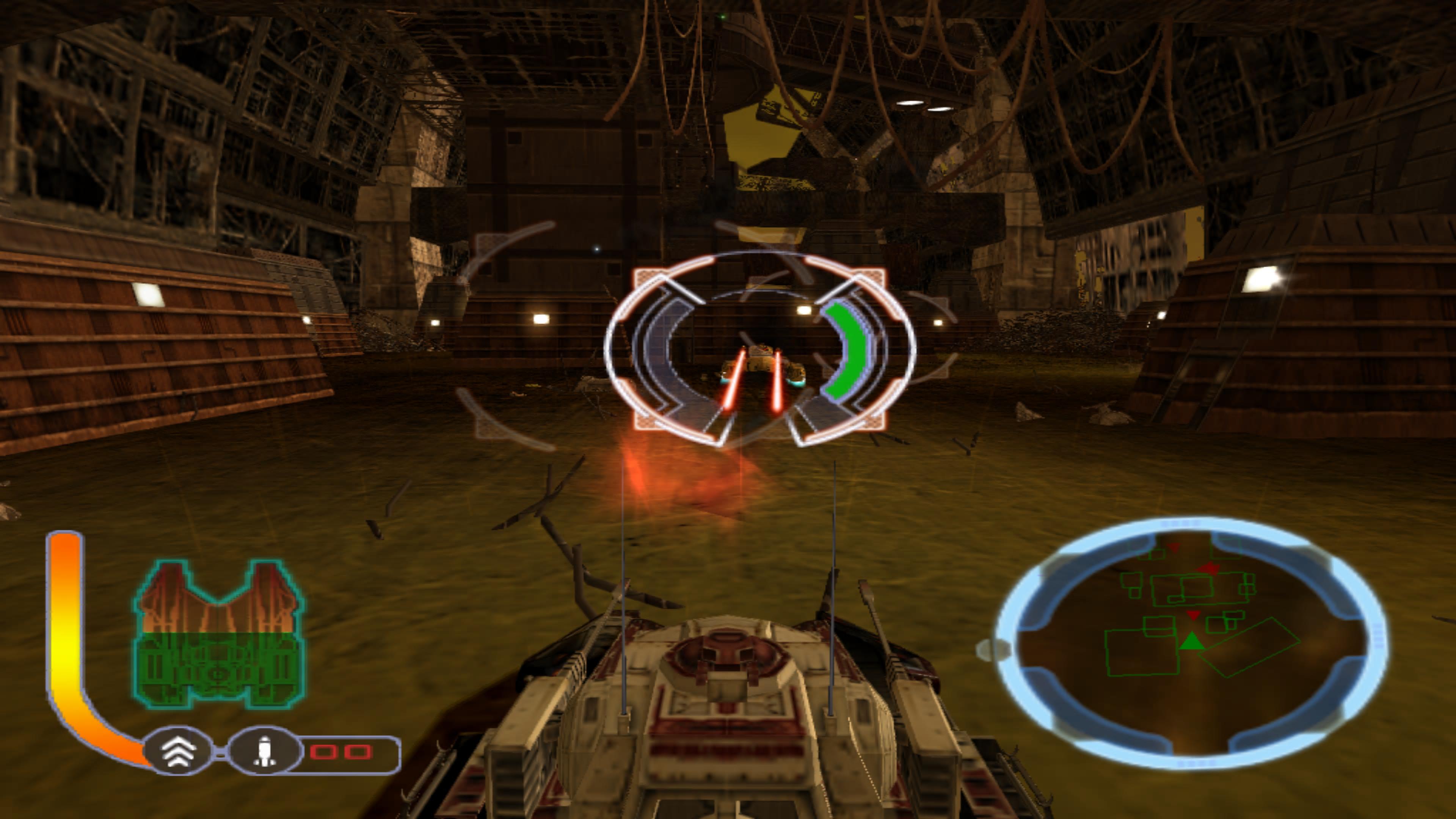
The main focus for Star Wars: The Clone Wars is covering the end of Star Wars Episode II: Attack of the Clones and offer a new story that starts right as the film ends, with Obi-Wan, Anakin and Mace Windu dealing with a new threat from Count Dooku. The gameplay is divided into story chapters and a majority of these chapters are primarily you piloting a vehicle, with some sections allowing you to walk on-foot as a Jedi.
In each of these chapters, you will also have at least three bonus objectives that you want to achieve to unlock additional rewards in the game. These objectives range from finishing the mission in under a specific time, defeating/destroying various objects and protecting teammates or vehicles in specific circumstances. I was able to get a good amount of them, and there is replay options available if you want to redo one of the chapters to get that objective sorted.
The controls for the vehicle gameplay are surprisingly good and I really enjoyed how it plays, especially the shooting which was rewarding when you can use lasers to strike multiple targets at the same time. The difficulty can be challenging if you’re not careful but for the most part I managed without too much issue. The graphics also looked pretty good for its age, and the cutscenes were pretty solid, so I suspect this is the same engine that would later be used for Battlefront.
The game’s biggest weakness were the controls/gameplay for the Jedi characters for the short segments where you’re on ground. They were pretty rough on the edges and while its manageable I wouldn’t be surprised if people received game over from these segments more than the vehicle ones. Another slight flaw with the game is the voice work as I found or Anakin does sound robotic or mono which was rather jarring to hear.
For my playthrough I finished the story mode and achieved around 30 bonus objectives which was pretty neat. The story is pretty short as I was able to finish the game in about 3 hours 20 minutes and unlocked the Platinum trophy not long after. Star Wars: The Clone Wars was a solid time and I really enjoyed it. I definitely would have loved it if I had owned the PlayStation 2 game when I was younger, but am happy to experience it with this emulated release.
Indiana Jones and the Staff of Kings
After playing the Star Wars games, I decided to switch things up and play Indiana Jones and the Staff of Kings, released in 2009 for the PlayStation 2 (and also the Nintendo Wii) from developer Artificial Mind & Movement (who would eventually rename themselves as Behaviour Interactive, aka the same studio who made Dead by Daylight). This is a story driven adventure with Indiana Jones looking into the Staff of Kings before the Nazis could get them as well as traversing through deadly traps and puzzles and also survive various shoot outs. I found the journey overall to be an interesting but flawed experience in general.
There are six locations you explore in Indiana Jones and the Staff of Kings and they’re pretty lengthy levels. The environments do look pretty decent despite the visuals, and there is attention to detail with the puzzles and traps that appear. For example Indy needs to use a fire to put away spiders or recover health from snowy conditions. The puzzles were pretty good and I enjoyed solving them to progress through the game, with no need to use any guides whatsoever. Quick-Time Events are here and there throughout the game and some of them can be pretty entertaining, like having to tap L1 and R1 constantly to run away from a series of traps.
The combat was decent but I managed to cheese my way through many of the encounters by using the whip and hitting them afterwards which knocks them out right away. It didn’t work that much in the final level but still did a good job in making sure I didn’t lose too much health, since health doesn’t regenerate. The shooting segments where Indy stays behind cover and you pop out to shoot them back and reload from time to time, held up pretty well and control-wise was also fairly solid, so I had no major issues there.
In terms of any flaws, the graphics were fine but when you consider the fact that this was released in 2009 I do think they could have perhaps tried to push the hardware further, though I wonder if maybe they had to sacrifice the visual presentation to make sure it would work for the Nintendo Wii. There were other games released before the generation ended that looked better on the PlayStation 2 is what I’m trying to say. I think they were also planning to release the game onto high definition consoles but was cancelled during production. Also the Nintendo Wii version does include the 1992 point-and-click game Indiana Jones and the Fate of Atlantis while the PlayStation 2 version doesn’t.
As for anything else, I think the only other flaw is the story and characters. The story was fine but I don’t think it was as interesting as the films, though I liked the fifth level that goes into more detail about the staff’s power. The villain is not as memorable as you would expect either. I did play the game via the PlayStation 5 emulated release and experienced a few technical issues and lengthy loading times which may be tied to the emulation itself so I won’t complain about it too much here.
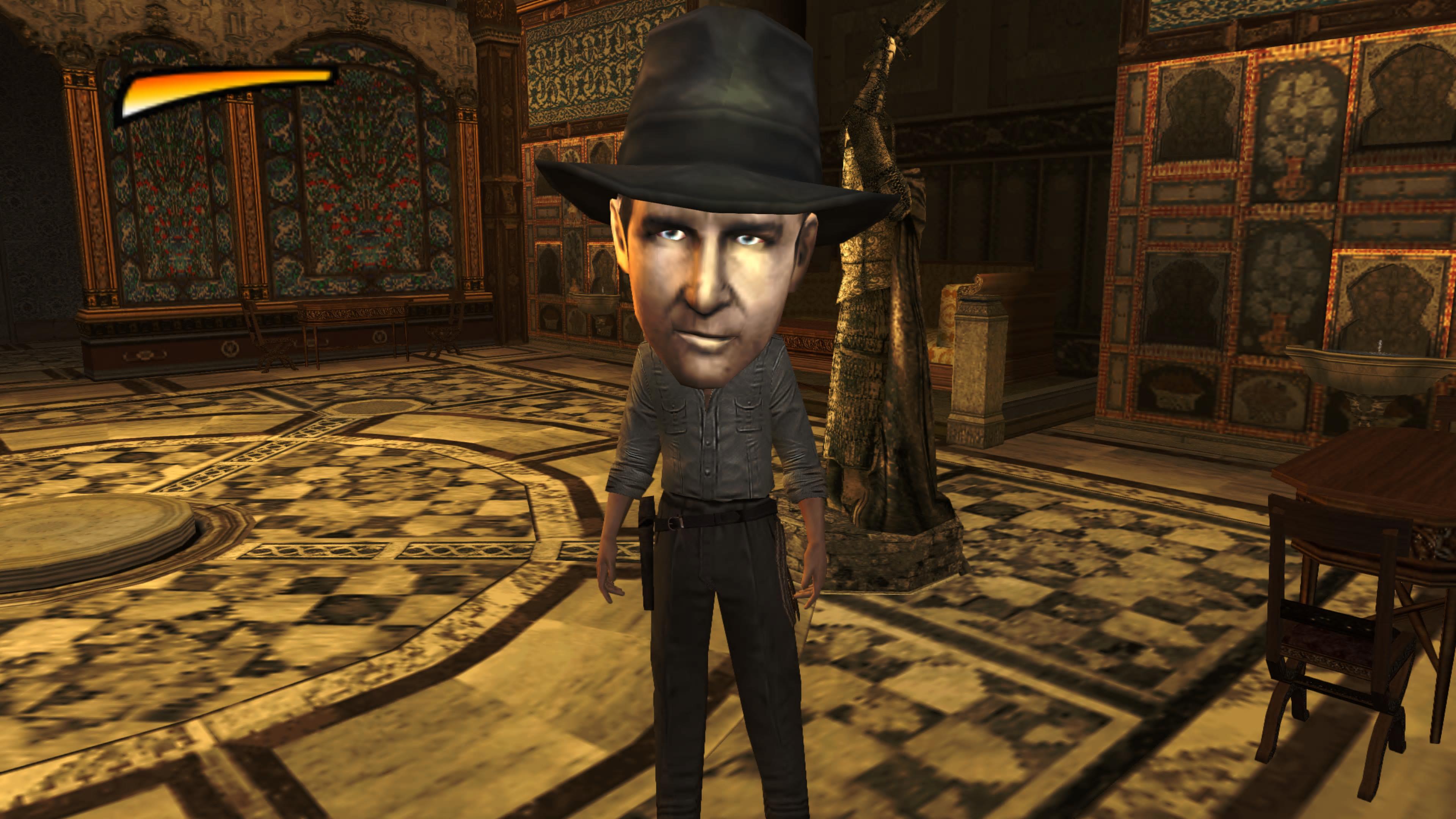
I almost forgot to mention that Indiana Jones and the Staff of Kings does include a Big Head mode and I used it for the second half of the game just to see Indy with a large head going up against other large headed enemies is just amusing to see. My playthrough took about 4 hours 15 minutes and was able to receive the Platinum trophy after finishing the story and acquiring all of the collectibles. As a game, I do think its pretty decent but I reckon there’s better games from the franchise available, for example I recall a lot of folks enjoying the 2003 game Indiana Jones and the Emperor’s Tomb from the developers behind Star Wars Episode III.
TimeSplitters 2
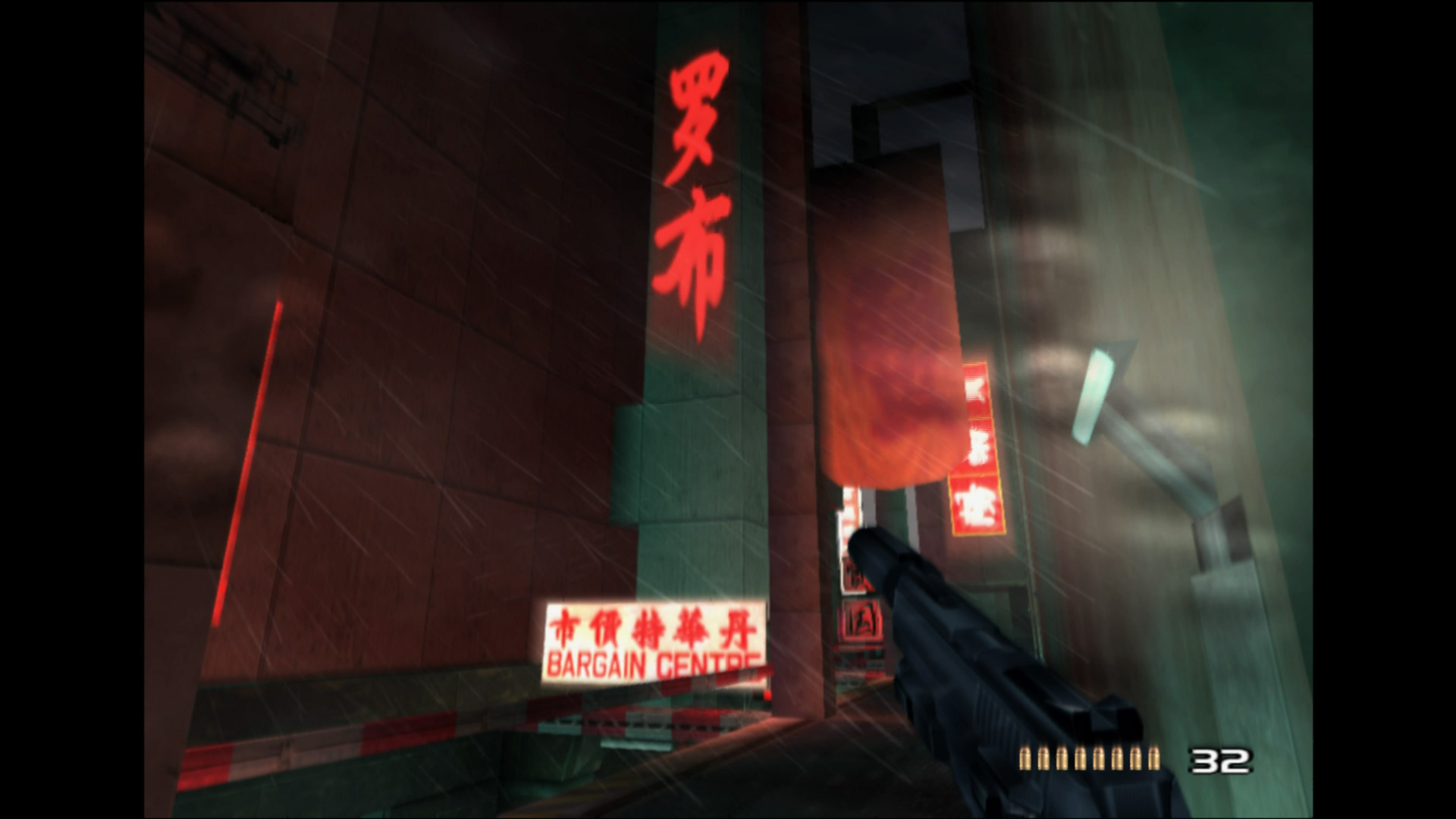
A year ago I played through the first TimeSplitters with the intention of going through the whole trilogy, but I ended up experiencing some slight nausea as I was playing the game so I forced myself to not bother with the sequels. Even though it had been a year since, I wanted to give TimeSplitters 2 a shot especially because I had definitely played it before when I was younger without any issues – and thankfully I managed to succeed!
TimeSplitters 2 took the best parts of what made the first game so good and enhances everything from the gameplay to the story and even the content. It’s no wonder many people have been craving for a remaster or remake to this franchise which had been in limbo for decades until THQ Nordic made the games available on the Classics programme.
Similar to the previous game, you travel across different parts of time to collect a time relic so that it’s out of that world before the TimeSplitter enemies appear. In the first game you had to go from Point A to B and then back to A, while in this game they switched it up so that it’s Point A to B with the exit being located right where B is at so it makes replayability a lot better. They also introduced objectives in a similar fashion to their older games GoldenEye 007 and Perfect Dark so you will have challenges like ‘retrieve item’ or ‘destroy the enemies before they escape’ or even ‘defeat the boss’. The difficulty was pretty tough at times because there are no health kits from what I saw as I progressed through the story, so thankfully the emulator’s rewind feature is pretty handy in these instances.
The weapons are all pretty neat and my favourite ones were the pistols and tommy guns that support dual-wielding as it reminded me a lot of GoldenEye: Rouge Agent which was a lot of fun to play (even though I never finished it and I know many dislike it for various reasons). I also liked the power-ups that were available in the other game modes which included invisibility, speed and being small. The story mode was good fun and the story itself was simple but does the job well. But the game isn’t all about the story but rather the combat which is why we have other game modes available as well as the map editor.
In the previous game we had story mode and challenge mode. TimeSplitters 2 has an additional mode called Arcade mode which offers various challenge-esque roles like defeat x amount of enemies in a specific timer or have the team win a deathmatch. Both Arcade and Challenge were similar but offered enough variety to be worthwhile and there were three leagues of difficulty which I was able to go through with various Silver, Gold and sometimes Platinum ranks achieved. There’s also other types of gameplay modes within these levels including Virus, Capture the Bag, Assault and Thief. I think my favourite was probably Assault because its like Team Deathmatch but you need to reach Point B as a team, though I do think the objectives can be a bit confusing at times, but in general I enjoyed it a lot.
Speaking of the difficulty, playing through Arcade and Challenge modes, you can get killed really quickly and at the same time respawn pretty damn fast which adds to the fast-paced nature of the game and I think that’s partly why the game was very popular with multiplayer back in the day. True many video games are like that today but I don’t recall it being common back in 2002 outside of a couple PC shooters perhaps.
Back to the discussion of the modes, Challenge mode returns where one of them involves you need to kill enemies within a zone otherwise a timer will appear to give you a game over, and be rewarded if you survive a round without taking any damage. There’s other challenges as well like collecting bananas within a time limit, shooting x amount of moneys who are trying to damage your dam, and of course they also brought back a few levels from the first game with the classic Point A to B to A model which can be tedious I’ll admit.
Overall I had a solid time playing through TimeSplitters 2 and I think had the emulator managed to include online multiplayer it would have aged even better on PlayStation 5. I went for the Platinum trophy and managed to achieve it in around 7 hours 30 minutes total playtime after finishing the story, arcade and challenge modes with at least 35 gold ranks and enough silver and bronze to get the trophies.
Prince of Persia: The Forgotten Sands
To finish off the year of 2025, and knowing that I was only able to reach about 20 games completed, I decided to follow a similar approach to what I had done for 2024 where I finished on a PlayStation 3 game and from the backlog I picked Prince of Persia: The Forgotten Sands, the 2010 action adventure game that’s set in the same timeline as the original Sands of Time trilogy from the 2000s.
I played Prince of Persia‘s Sands of Time trilogy from the PlayStation 3 HD collection a few years ago and I really enjoyed them despite the remaster having a couple of technical issues along the way. I knew nothing about Prince of Persia: The Forgotten Sands and thought it was a throw-away game in response to the Prince of Persia 2008 reimagining and live-action film, but in reality it’s a pretty solid and underrated adventure.
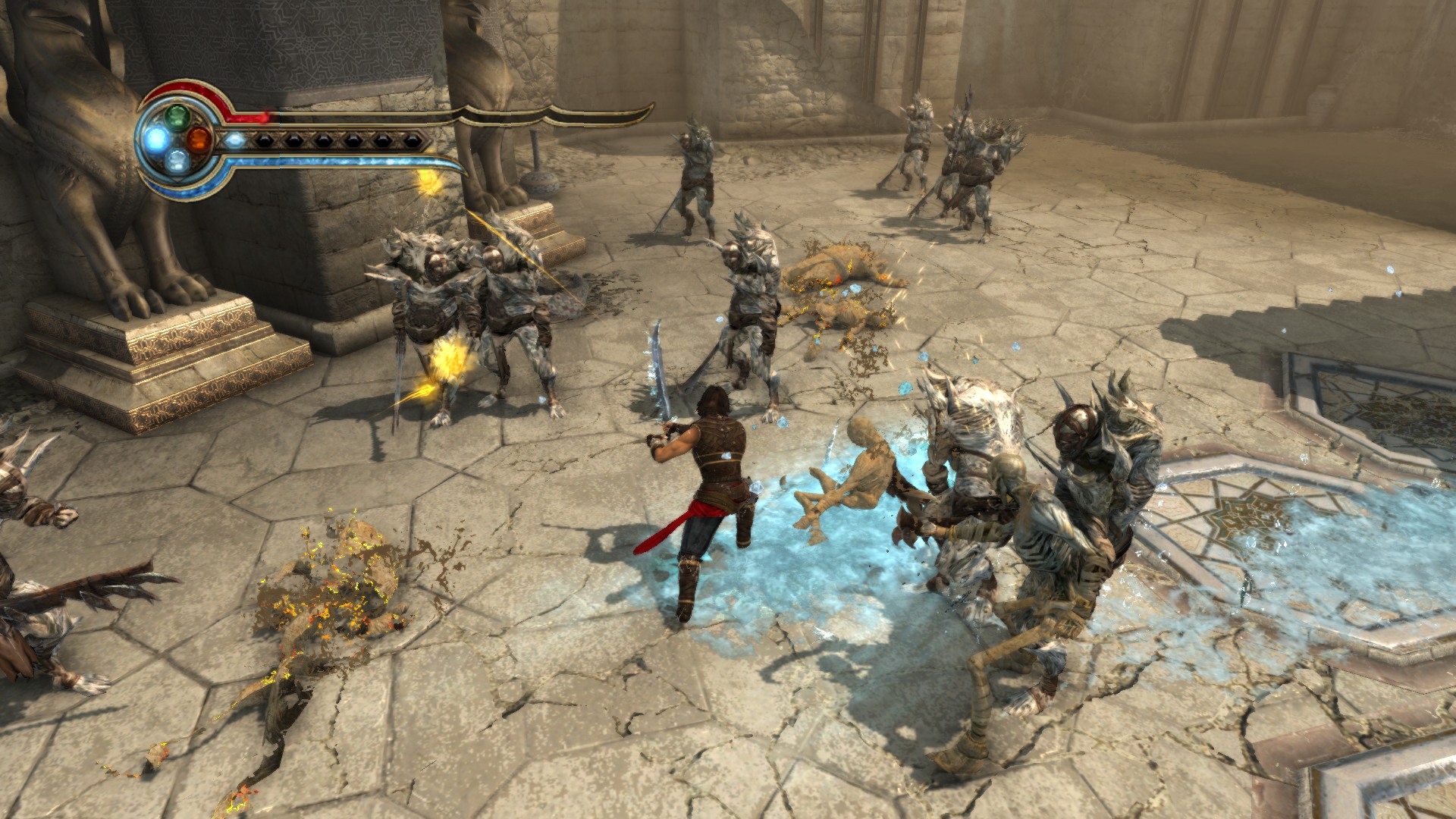
Similar to the others in the franchise, you can wall-climb across platforms, climb various walls to reach pillars and higher ground and use fabric posters to safely reach lower parts of the areas. There’s also combat that will let you show off your skills normally or with special magic to defeat bigger foes over the course of the game. And speaking of magic, you can rewind time if you somehow manage to fall into a pit or jump the wrong direction on a pillar. The rewind ability was what helped make the Sands of Time trilogy really popular and honestly I am glad its back here as it’s fun to use.
There are other abilities that you can unlock as well, with an earth type that protects you from taking any damage, a fire ability that leaves trails so foes can take damage if they step on your tracks, an ice ability that shots towards any direction you attack from, and a wind ability that essentially has you slam to the ground from the air like a shockwave and they’re all pretty much to experience, but they come at a cost of using up a slot that’s also used for rewinds.
The story was decent and while it’s not as interesting as the trilogy I liked what it was trying to do and the characters were good. I also liked the interactions between the Prince and Razia, a spirit you encounter in the game who helps guide you with the magic abilities, felt they had solid chemistry.
In terms of any issues that I had, the best way to describe the pillar climbing experience it a bit janky especially when you use another ability that turns water into ice which also slows down time from what I can see. It’s messy and got me in weird situations like what I said earlier about jumping off the wrong angle on the pillar into my death which kept getting annoying especially when I was trying to beat one of the bosses without getting hit. I also had issues with the device that requires you to turn it around in a 360 angle and sometimes the controls would undo what I’m trying to sort out because it couldn’t decide if I want to move forward or back.
Despite issues with the controls, everything else though was perfectly fine. The game looked pretty good and while the enemies are few by design, they don’t mess around when they’re trying to attack. I really enjoyed my time playing Prince of Persia: The Forgotten Sands and was happy to end the year on an overlooked game from the PlayStation 3 era. I also got the Platinum trophy not long after finishing the story which took about 7 hours and 55 minutes to beat.
And that concludes my list of video games I played throughout the year of 2025. Being completely blunt, I wish I played more games that year. There were a lot of opportunities but for some reason I couldn’t and again part of the reason is balancing gaming with everything else. Regardless, there’s nothing particularly wrong with having a backlog since you don’t need to play every new game that’s being released right away.
But before we move on to the backlog discussion, I wanted to highlight one more game that I also played during the latter half of 2025 that I put I believe 30 hours of playtime thus far and it’s nowhere near the end of the game which just shows you how massive it is. Because it was such a large game and how many times I play it per week, it wasn’t going to be completed in time but I should be able to achieve it sometime in 2026. In the meantime, here are my current thoughts on a very unique experience.
Ring Fit Adventure
Ever since the start of July I decided to start exercising because I wasn’t particularly happy with how I am and playing Death Stranding 2 contributed to my decision to look into other options to try and lose weight. Walking has been part of my daily routine but it won’t be enough to improve my health. Since I didn’t want to put up with the elliptical cross-trainer constantly, I bought Ring Fit Adventure for the Nintendo Switch because I did enjoy my time with the Wii Fit back in the day but this time taking it more seriously.
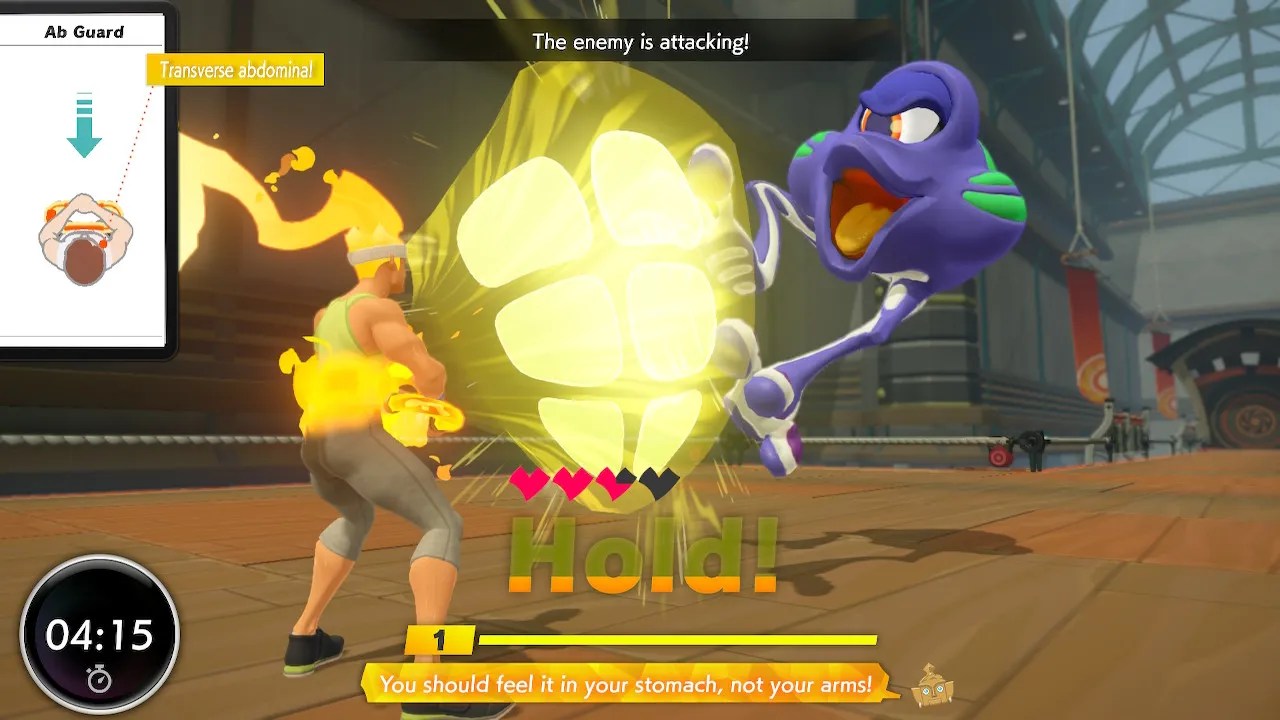
Ring Fit Adventure is a video game that ultilises exercises and a ring-shaped controller in an entertaining form and this may come as a surprise but this is a really good experience. The ring-shaped controller is designed so that you hold it throughout your gameplay experience and there’s also a leg strap-on for the game to help measure your lower half when it comes to movements. Both of these components have a Joycon attached to them, and I’ve been using the Nintendo Switch OLED since it’s in a different room to my Nintendo Switch 2 (the game will work with Nintendo Switch 2 consoles but you do need the Switch 1 joycons).
I’ve spent at least 11 days, averaging at about 45 minutes to 1 hour’s worth of playtime for each go, playing through the game’s Adventure Mode which is a simple premise of your character going on a mission to track down a monster who’s tough and strong and you use exercises to make progress. Did I mention the gameplay is also a turn-based combat system but using exercises instead of attack/magic etc which is very Nintendo. You can also use items to heal your character’s health and improve the attack damage against enemies.
So how does the Adventure mode work? Each world has various levels that range between mini-games, one-off boss fights and the main missions where you go from Point A to B with fights here and there. In these main missions, you hold the ring controller and jog (whilst not moving yourself forward) and you can use the controller by pushing/pulling the bar holders to grab coins and items along the way. There’s motion sensors so you can twist and turn the controller to grab them which is pretty cool. It’s similar to the Nintendo Wii experience.
During the combat segments, you can choose up to six exercises (and there’s dozens of them available which you will unlock as you traverse) and each exercise is based on improving your legs, arms, abs (body) and yoga (mind). The leg exercises I’ve encountered include squats (which are an absolute killer and don’t recommend you do this constantly), thigh press (surprisingly entertaining) and knee lift (also fun and a great way to recover from intensity). The arm exercises I’ve encountered include overhead and front presses (which are both all about crushing the ring controller and letting it go after a couple of seconds), bow pull (also entertaining but definitely does some work on your arms) and overhead arm twist (another easy method to recover but amusing).
The ab exercises I’ve encountered include overhead bend (like bowing but keeping still), knee-to-chest (similar to squats in terms of pressure so I don’t recommend this constantly) and standing twist (another fun recovery move). And the yoga exercises I’ve encountered are the Warrior I & II poses which is all about slowly moving your pose and patience which is interesting. Pose well and you’ll deal damage to your enemies at ease. And there’s a lot more that I have yet to encounter and you have the freedom to pick and choose which ones you want to use the most for all of the missions in the game’s Adventure Mode.
Now some of you will probably ask about whether or not this game is actually making a difference. Well the answer is surprisingly yes. Below I have some screenshots that I took from my phone of the progress I’ve done (using my Fitbit).
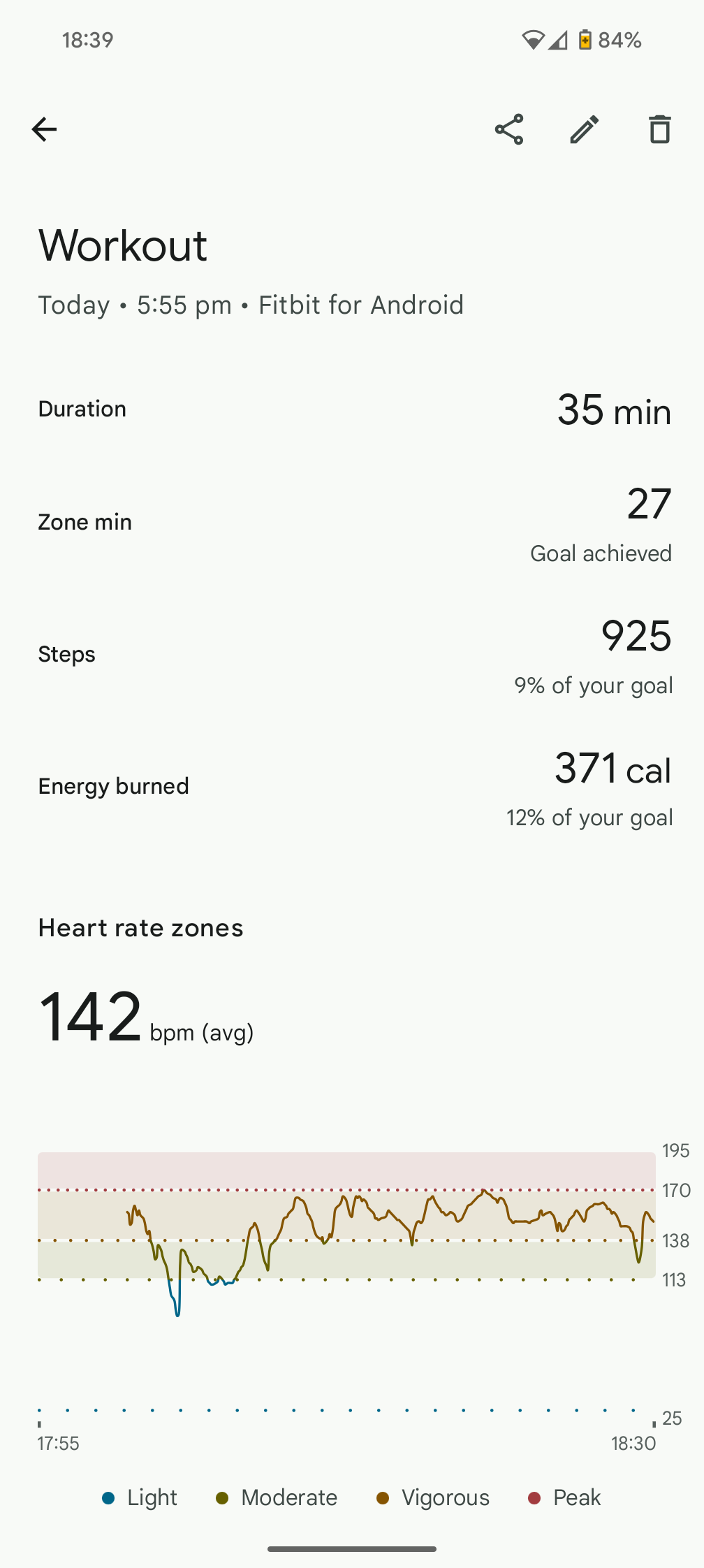
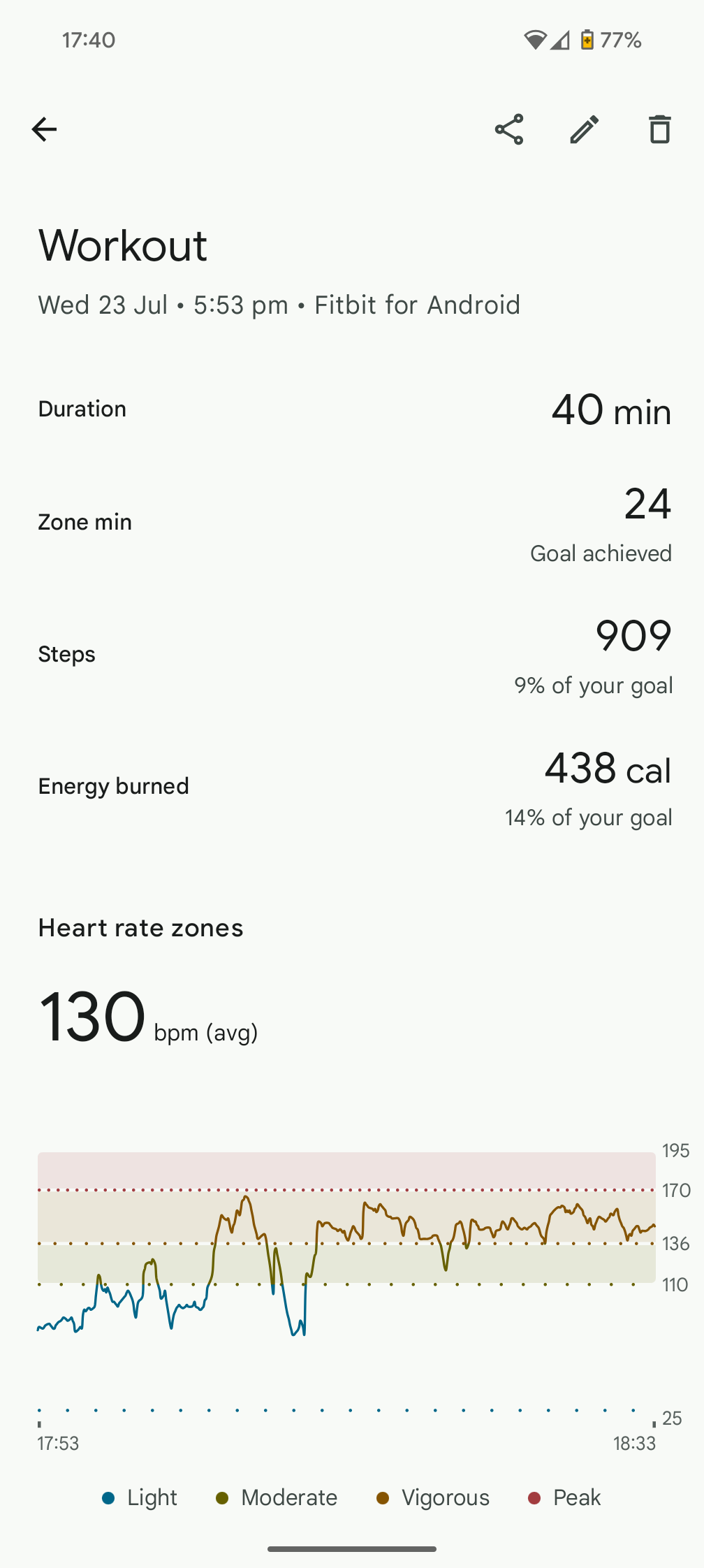
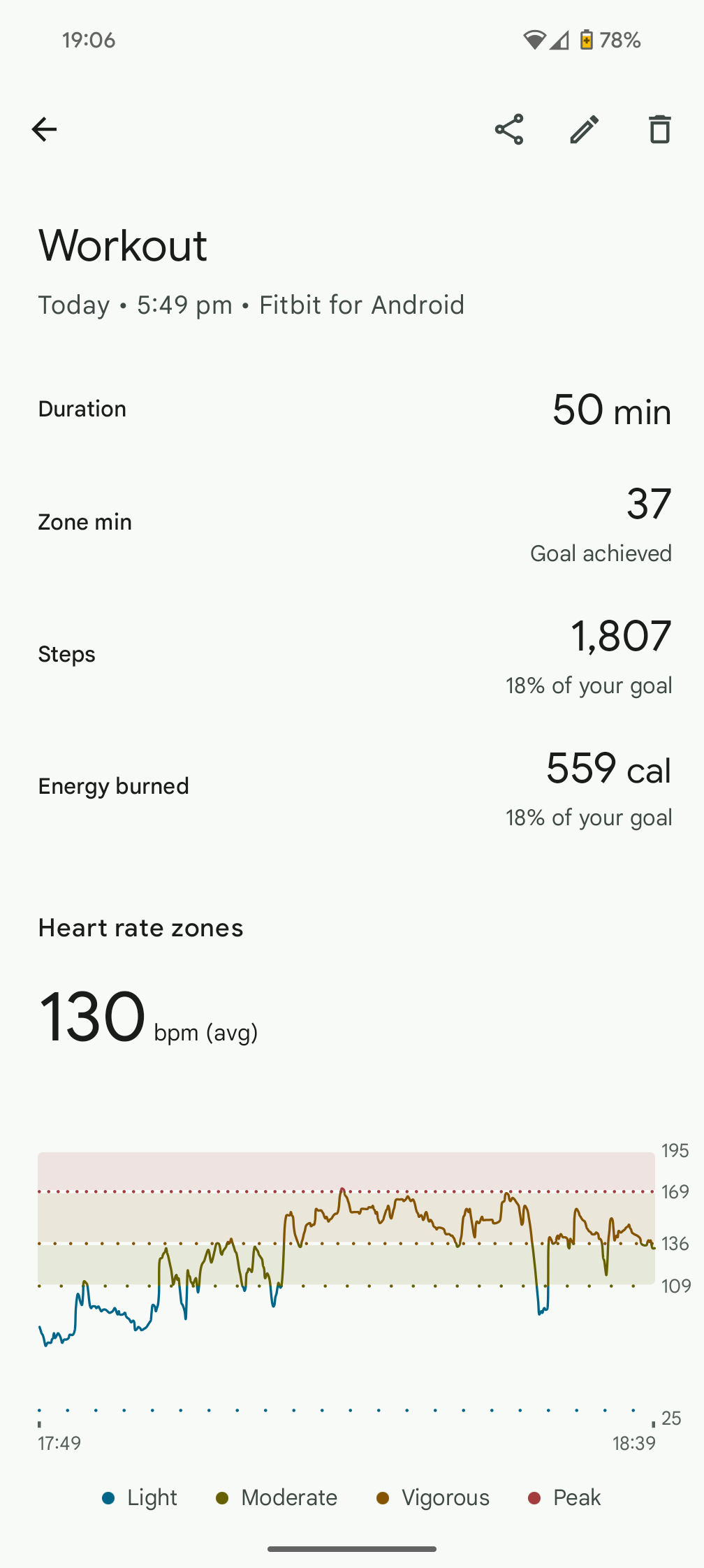
The first image (left) was my first go at the game on 10th July. The second image (the middle) was my third go on 23rd July after completing the second world. And the third image (right) was my fourth go on 30th July, which was starting the third world. Early on I put at least one go a week due to being pretty intense if you’re not used it.
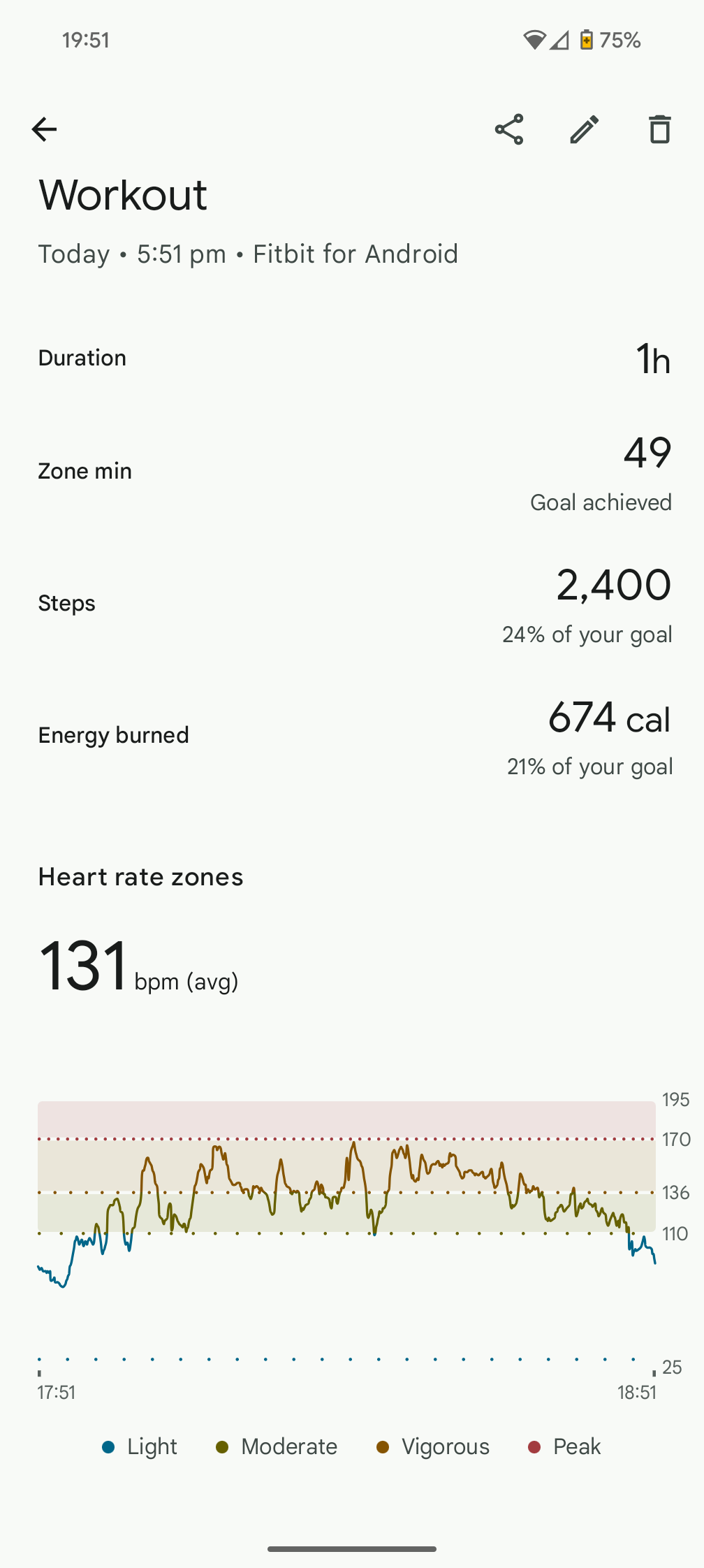
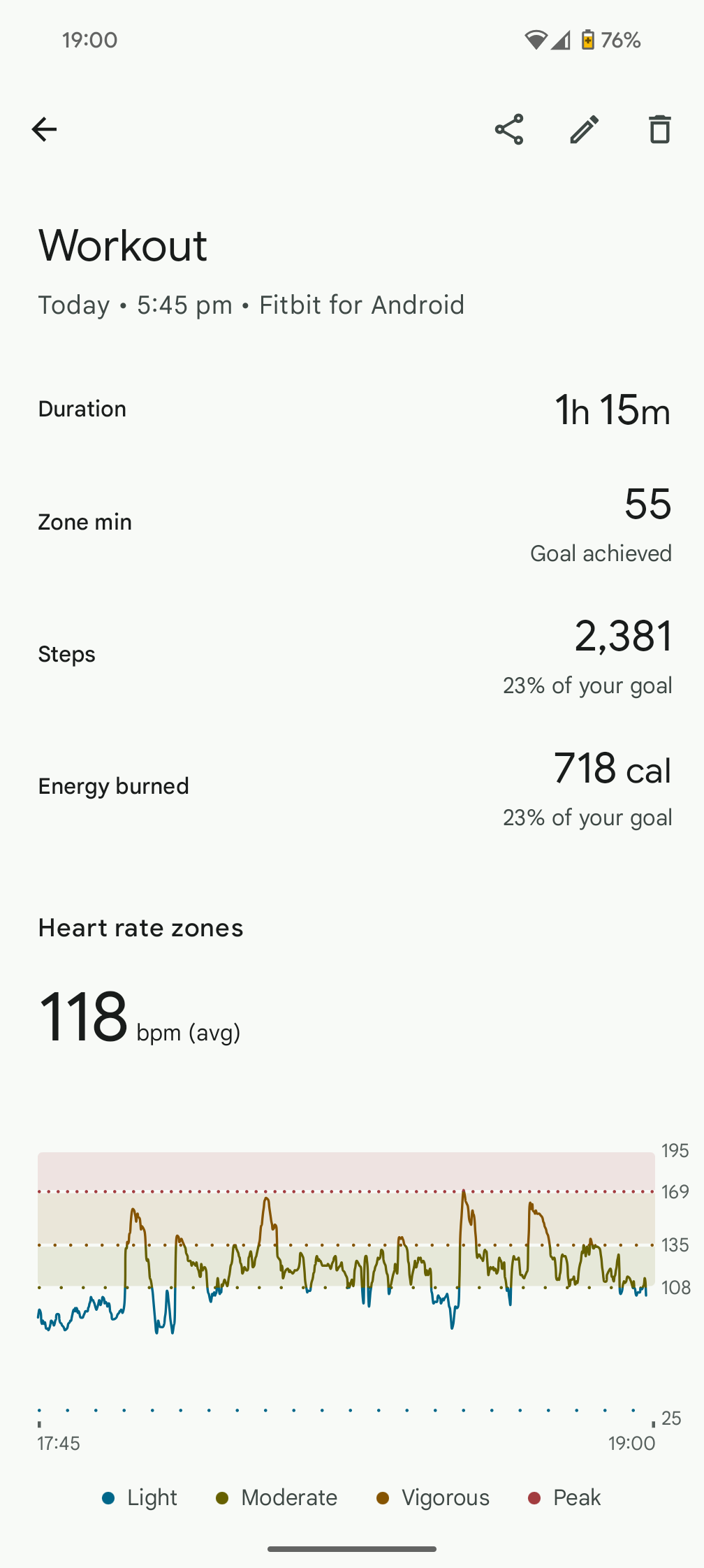
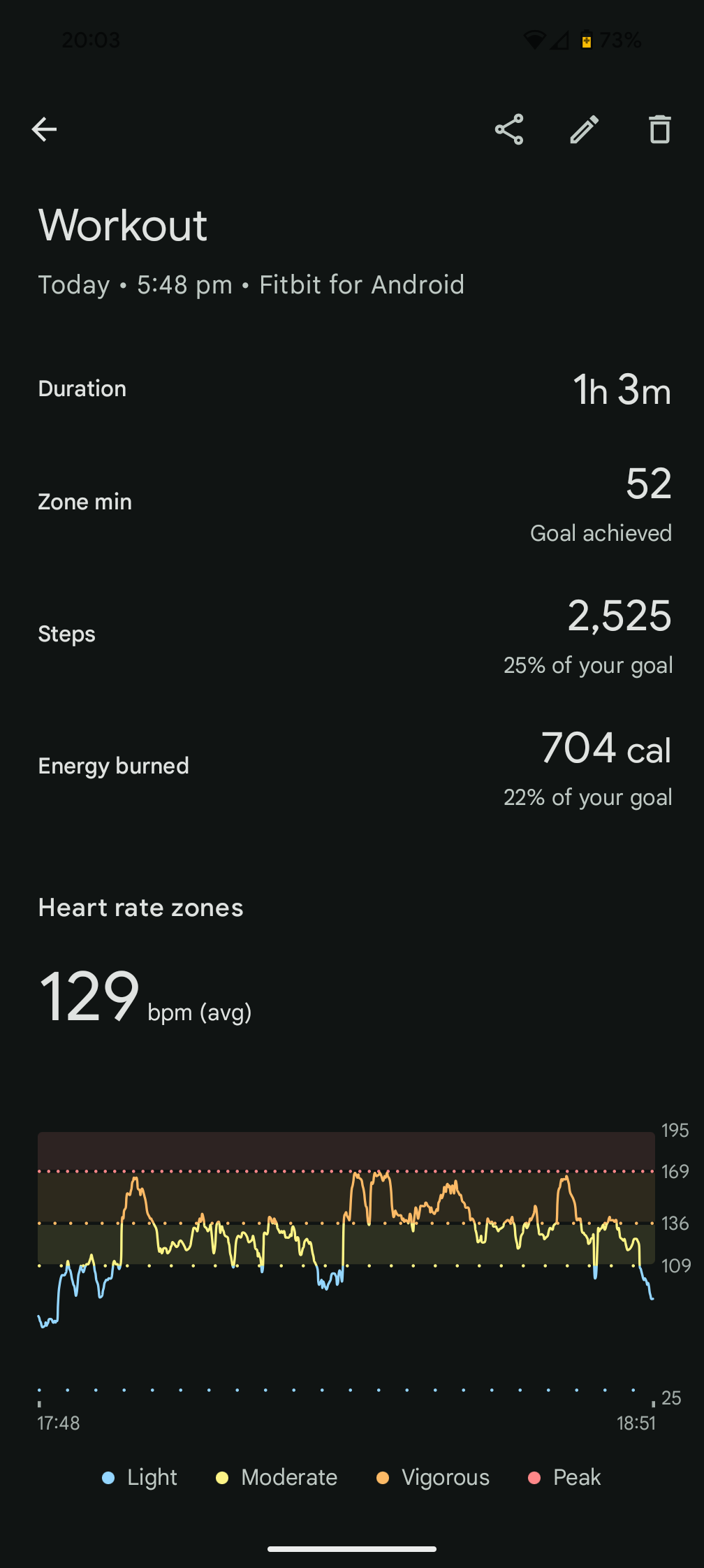
The reason I’m showing these stats is because it has helped with my exercise journey and it’s also a pretty fun game as well. I don’t have a gym nearby as far as I know and I work the usual 9-5 so this has been a solid solution if you have a Switch and room in your home for something like this.
Later down the line, I reached a certain point the game opens up on the skillsets and allows you to unlock new features to keep your progression going, whether its new exercise moves or adding more attack/defence/HP to your character or even a new skill slot to be able to choose up to around 10 different moves for your battles. I haven’t unlocked all of them yet but this adds to the experience really well and I am happy because there may be moves that would benefit you physically but may be too much if you kept re-using them. For example you wouldn’t want to constantly keep squatting each move otherwise you would end up breaking your legs.
I unlocked new exercises and shuffled my routine to focus on Abs as much as possible because that is probably the most important part for me to focus on since my arms and legs are already doing well as it stands. I probably didn’t mention it already but you do have pre-set options available so if you want to focus on a specific part of your body the game will give you exercise moves related to them, and when you unlock more exercise moves, you will be able to include them in your pre-sets which is great.
As of the end of the year, my current routines includes Tricep Kickbacks, an upgraded Knee-to-Chest, Leg Raise, Russian Twist, Side Step, Ring Raise Combo, Knee-Lift Combo, Tree Pose, Revolved Crescent Lunge Pose, Warrior II Pose and more. The mini-games are also still around that you can use to focus on different parts of your body including squats.
But yeah, my health in general I do think has been contributed greatly by playing Ring Fit Adventure. I still stand by this game being the perfect entry point if you’re someone who wants to exercise but don’t have access to a gym nearby as I can still burn at least 400-700 in about 40-60 minutes each turn. And yes the game doesn’t force you to rush so you can go at your own pace and adjust the difficulty if needed. For the time being this is just an in progress update and not a game completion, as I’m currently nowhere near the end of the game’s Adventure Mode, but if I do eventually finish it there’s also the other modes available that I can check out.
With the game discussion concluded, let’s see how the backlog has grown since the 2024 posts.
| Console | 2024 Backlog | 2025 Backlog |
|---|---|---|
| PlayStation 3 | 19 | 18 |
| PlayStation 4 | 112 | 106 |
| PlayStation 5 | 41 | 93 |
| PS Classics | 9 | 6 |
| PlayStation Vita | 3 | 2 |
| Total for PlayStation | 184 | 225 |
| Nintendo Switch | 56 | 146 |
Nintendo’s numbers are primarily due to various game collections that include a couple up to almost a dozen, and they’re not as lengthy as others. They’re being reviewed on my part to whether I would count them as individual game completions or completions as a ‘compilation collection’. A good number of them are fairly short so I can expect the number to drop if I put a lot of attention to them.
A vast majority of these games in my backlog are acquired physically, with a small portion as digital versions due to lack of physical releases or physical was very hard to come by. I also removed some games from the backlog either due to lack of interest or they were shifted onto other platforms instead.
For 2026 I have no major plan on what game I would like to play next as I prefer to freely choose as I go along, sometimes in a chain reaction approach like I did with the Remedy games at the start of 2025. I can confirm that I intend to play a couple of the recently acquired PSN games from recent sales (1000xRESIST, Dispatch and Metal Eden especially) and I hope to explore more Atlus games at some point. I don’t think I’ll do the Classics batch at the end of the year like before as there are only a few left that have a short hour playtime since the others are pretty lengthy so I may randomly play them throughout the year instead.
Below are examples of what I have available in my backlog! The list doesn’t include what I have on GOG/Steam and the Classics that are on PlayStation 3 as I’m primarily focusing on the newer stuff.
| PlayStation 3 | 3D Dot Game Heroes Castlevania: Lords of Shadow Drakengard 3 Fist of the North Star: Ken’s Rage 2 Folklore inFAMOUS Prince of Persia (2008) |
| PlayStation 4 | 13 Sentinels: Aegis Rim AI: The Somnium Files Burnout Paradise Remastered Captain Tsubasa: Rise of New Champions Danganronpa V3: Killing Harmony Fate/Extella Link Gravity Rush 2 Heavy Rain Is it Wrong to Try to Pick Up Girls in a Dungeon? Infinite Combate JoJo’s Bizarre Adventure: Eyes of Heaven Kotodama: The 7 Mysteries of Fujisawa Langrisser Megadimension Neptunia VII Ni no Kuni: Wrath of the White Witch Remastered Our World Is Ended Persona 5 Strikers Raging Loop Shin Megami Tensei III: Nocturne HD Remaster Theatrhythm Final Bar Line Utawarerumono: Prelude to the Fallen Valkyria Chronicles 4 WipEout Omega Collection Yakuza 5 Remastered |
| PlayStation 5 | 1000xRESIST Atelier Ryza: Ever Darkness & the Secret Hideout DX Beyond Good & Evil 20th Anniversary Edition Cyberpunk 2077 Dispatch Everybody’s Golf Hot Shots Forspoken Grand Theft Auto III: The Definitive Edition HUMANITY Judgment Legacy of Kain: Soul Reaver Remastered Master Detective Archives: Rain Code Plus Ninja Gaiden II Black One Piece: Odyssey Persona 3 Reload Record of Lodoss War: Deedlit of Wonder Labyrinth Stellar Blade Tony Hawk’s Pro Skater 1 + 2 Unicorn Overlord Venus Vacation Prism -Dead or Alive Xtreme- Yakuza 7: Like a Dragon |
| PS Classics | Dino Crisis Kurushi Final: Mental Blocks The Legend of Dragoon Valkyrie Profile: Lenneth Wild Arms |
| PlayStation Vita | Bullet Girls Valkyrie Drive -Bhikkhuni- |
| Nintendo Switch | Advance Wars 1+2: Re-Boot Camp Blade Runner: Enhanced Edition Captain Toad: Treasure Tracker Deathsmiles I & II EXZEUS Fire Emblem: Three Houses Grandia HD Collection Hatsune Miku: Logic Paint S Jack Jeanne Live A Live Metroid Prime Remastered New Super Mario Bros. U Deluxe Octopath Traveler Phoenix Wright: Ace Attorney Rose and Camellia Collection Signalis Tokyo Xanadu eX+ Undernauts: Labyrinth of Yomi Victory Heat Rally The World Ends With You: Final Remix Xenoblade Chronicles Definitive Edition Yoshi’s Crafted World |
That’s all for this post. Hope you all have enjoyed my waffling on the games that I played. If you haven’t seen Part 1, you can view those games here!
 The Normanic Vault
Leave a comment