2024 has been a pretty tough year for me personally. My job has interfered way too much to the point where I was only able to complete 29 video games throughout the year of 2024 plus one more that landed into the early hours for 2025.
While I have continued to grow my video game collection, the job has made it more challenging to go through the backlog. The issue with my job I’ve stated before, but long story short there’s weekend work here and there which makes game progression get delayed or take longer than they should which is sad. My hope for 2025 is that I will manage to find a solution to this, and this goes for the anime backlog as well.
My thoughts on 2024’s backlog is that I’ve managed a couple of pretty interesting games, a few of them were among the best rated games of the year and one of my favourite gaming experiences in a long time. The completed games for this batch consists of mainly from pickups during 2023 & 2024, with a small number of older backlog from 2019, 2021 & 2022. For the first time in a long while I’ve also included games that I don’t officially own because of PlayStation Plus Premium which I still had access to. For the most part the games completed were from PlayStation 3, PlayStation 4 and PlayStation 5 with two ported games on Nintendo Switch.
The Video Games I Played series compiles my thoughts about each game that I’ve written over on Anime UK News and stored them here on my blog. Like before, they were essentially a collection of what I liked/disliked for each one, and some will have more to say than others but that’s because of the huge scope of the experience. They’re lengthy write-ups which is why I split the post into two parts.
Part 2 covers the remaining 15 games I completed, continuing where we left off in August all the way to the early hours of the new year.
Spec Ops: The Line
It felt weird to finally check out this cult classic shooter. I’ve been well aware of Spec Ops: The Line for over a decade and I remember playing the demo that was available on the PlayStation store but never bothered to go any further than that. When the game was delisted around July time due to music licensing, a lot of people started to hunt down physical versions since the game was never remastered for modern platforms. During one of my CeX hauls I managed to find a copy and picked it up.
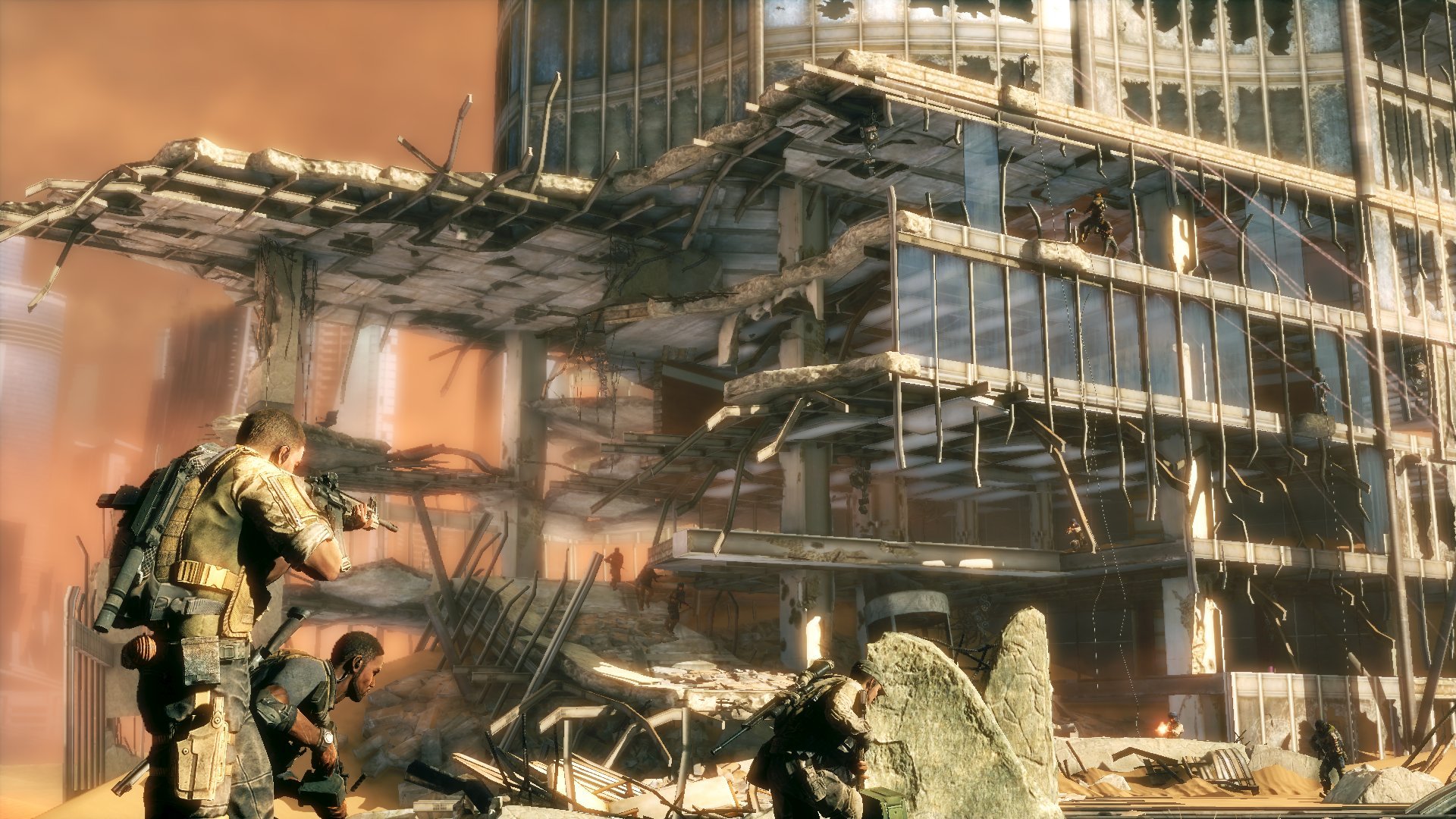
Spec Ops: The Line is a third-person shooter that takes place in a what if scenario where Dubai was devasted by a sandstorm and our trio of American soldiers go into the city to look for one of their top-ranking colonels and get him out of there. The story is no doubt the star because it was really well written and engaging. It’s surprising how well they portray the situation and the consequences of one’s actions throughout, plus there were a number of foreshadowing throughout the course of the game which can easily be missed. Multiple choice decisions are also in the game which adds to the replay value but also different ending choices which aren’t necessarily tied to the earlier choices but good to have for having a quick look to see which outcome you preferred the most.
The gameplay was pretty solid with the option to pick up different weapons throughout and get their ammo. The weapons carry over from chapter to chapter if you have the ammo for it, and the cover element is doable but not as smooth as Gears of War‘s was which populated the idea. Spec Ops does have a unique feature in which you can command your teammates to do specific actions, like shooting an enemy or focus on them which is pretty effective, though I have no clue if its going to be as useful in the harder difficulties. The game can slap you to death at parts even on Normal difficulty, and you can get a game over if your teammates die as well, but that’s fine since you need a challenge.
What I also liked is how the weather and environments were involved because in specific moments the sandstorms can appear which adds a sense of fear as you need to traverse whilst also being careful of the enemies that can appear out of nowhere. You can also destroy windows in certain scenes to pile sand on top of the enemies which is pretty cool. The sniper weapons and rifle types were very effective during combat and some of the grenade weapon types were useful too.
The game took me about 5.5 hours to finish the story and I managed to replay some parts to get a vast majority of the trophies. Surprisingly I managed to get almost all of the collectables in one playthrough without the need to use a guide which was actually mind-blowing considering how painful that can be. Chapter select is available so you can look at different choices and endings.
I really enjoyed my time playing Spec Ops: The Line and I’m sad it’s no longer available for more people to play it. A rather brave move by the developers to produce a game that is vastly different to other US military shooters by portraying them in a negative manner, but I would rather have that concept than a rehash of ideas over and over again. Remember this game came out during a generation where every military type game had to be like Call of Duty 4 to sell.
The fortunate factor for Spec Ops: The Line is that it’s a multi-platform title so while I played the game on PlayStation 3 it is also available on Xbox 360. The PlayStation 3 version ran pretty well with the only hiccup where the game froze for a few seconds because a trophy wanted to pop up which is rather worrying but there were no crashes throughout compared to Killzone 2.
Ys IX: Monstrum Nox
With Ys X: Nordics finally getting released in the west in English (although Falcom just revealed a new version of the game for Japan), I decided it was a good opportunity to take a look at Ys IX: Monstrum Nox, one of the more recent games in the franchise. It had been four years since I played the excellent Ys VIII: Lacrimosa of Dana and Ys Origin, so I wanted to jump back into the world of Adol and his adventures. You can also view my thoughts for those two games here.
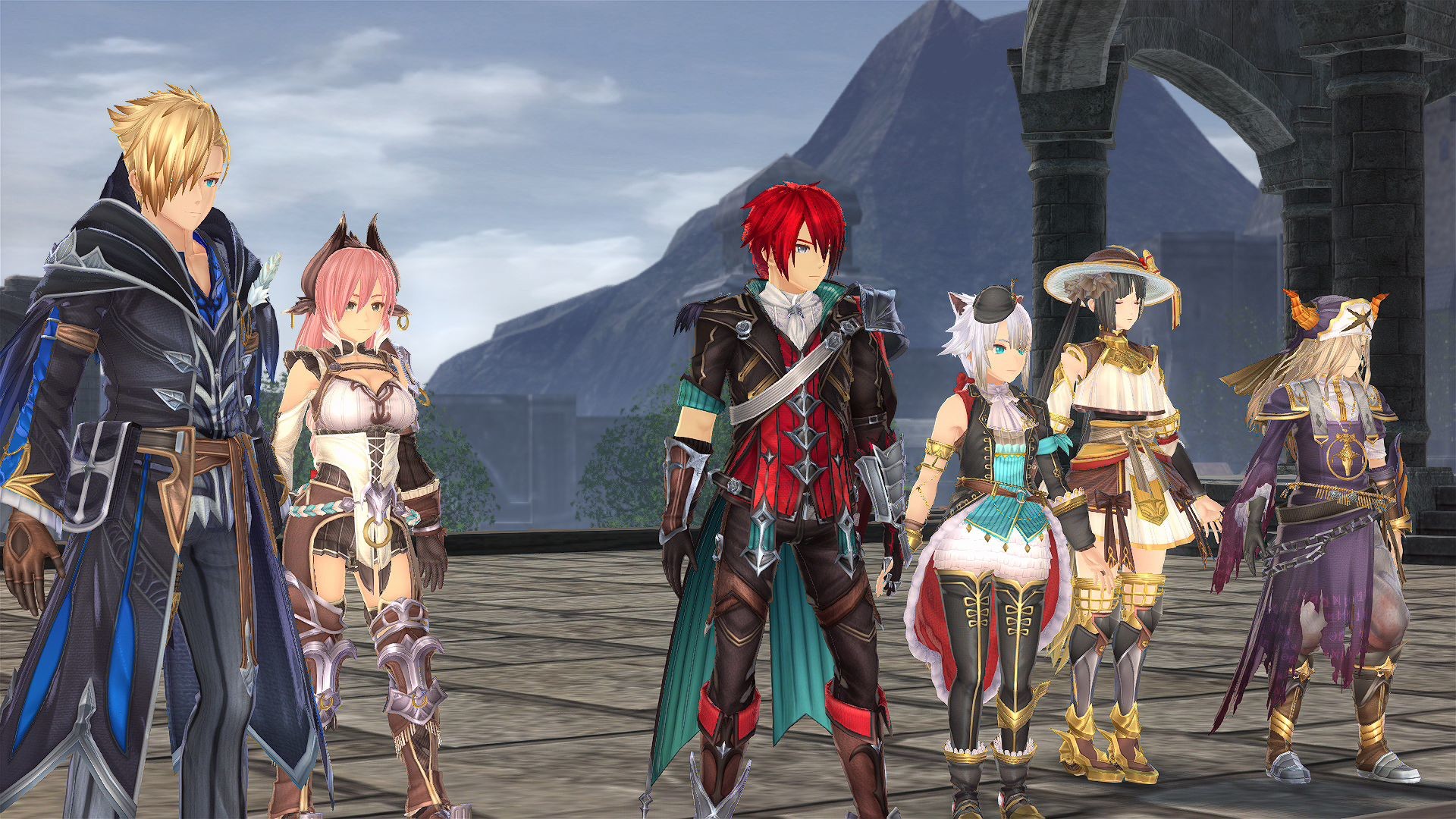
Going into Ys IX: Monstrum Nox, I knew the game had divided opinions by fans, for example Adol is in hiding so his iconic red hair is gone for the first time but at the same time he gained powers in the form of Monstrums where he can show off more of his skills against his opponents. The story here is actually really good for the most part, with the beginning and ending portions being the only disappointing aspects. Saying that it was more so the journey and mystery that were very fun and engaging, with bonus points towards specific moments that were foreshadowed well. I was worried about the story going in at first because the first few hours feels a bit flat but around the end of Chapter 2 it started to reveal more of what’s to come which added more intrigue.
Like previous games in the franchise, the cast of characters you interact with were pretty solid. I’m not a massive fan of the Hawk dude but the others were great. Dogi, Adol’s companion, is still around as per usual being the usual Adol best buddy that he is. The visual design is more polished than before so it does look more like Falcom’s other big franchise The Legend of Heroes but it looked great on PlayStation 5 regardless.
In terms of entry level, Ys IX: Monstrum Nox took place after all of the previous mainline games released so far, but similarly to Final Fantasy, each instalment can be played separately as only Adol & Dogi remain. Saying that though, this game does ultilises an opportunity to make call-backs and references to their previous adventures.
The action RPG gameplay is similar to Ys VIII: Lacrimosa of Dana where you can control up to three party members at a time and have Adol button mash his way to victory with special moves he can pull off throughout using SP, and an extra bar for Boost Mode to pull off extra damage and slowly regain your health. The skills you receive throughout can be levelled up to lower the SP costs but you want to try different skills to fit your preferred combat style.
You can also earn and buy new gear and weapons with the option to upgrade them using the materials you receive on your adventure or just grab ingredients to make dishes to help heal your team that include added bonuses like extra strength and defence. Equipment such as rings and attachments make a return but one of my favourites was actually an attachment that has mini-characters tag along your shoulder which I presume was a DLC bonus (as the PlayStation 5 release includes the add-on content on the disc itself). I put Mishy the Falcom mascot on Adol’s shoulder while Aprilis was on another character’s shoulder etc. It’s rather funny to see especially during cutscenes.
Like the raids in Ys VIII: Lacrimosa of Dana, this game has its own in the form of the Grimwald Nox which is a gloomy dimension where Adol and his team must use their Monstrum powers to defeat monsters to protect the real world. In a sense it does sound like the Persona games but with raids and the characters can use their abilities in the real world. Side characters including Dogi will help with adding abilities to help increase the chances of success and receive a solid rank during these combat stuff, which is how I was able to earn S rank for all of the battles.
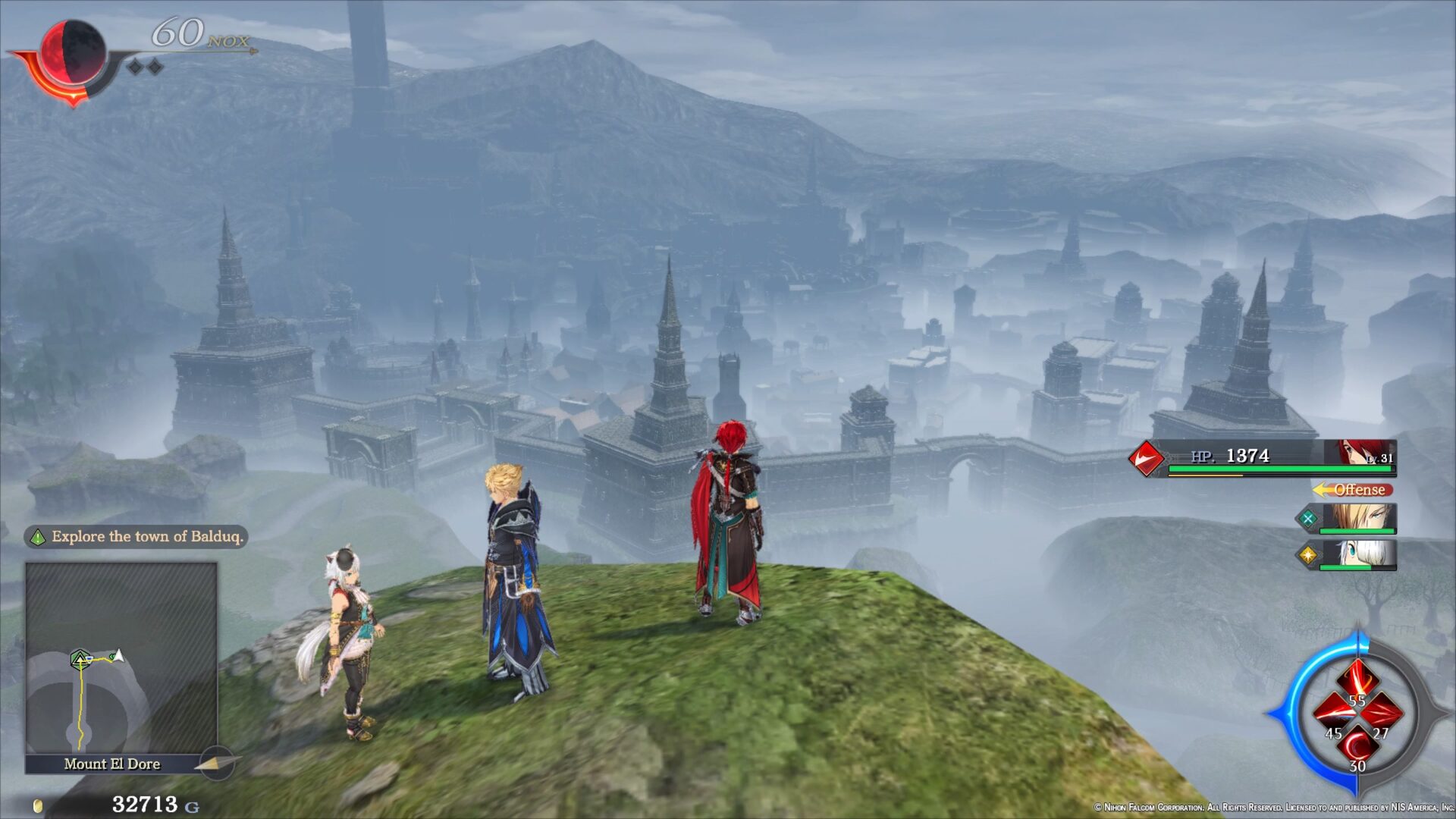
The journal completion from previous Ys games makes a return, which continued to be addictive and fun. You can find treasure chests scattered throughout, landmarks that cover a shrine or building with bits of lore attached, a collectable pedals that you have to find without a map to guide you, and the world you need to explore to reach 100% completion on a map. There’s also affinity points for interacting with the cast over the course of the story with some also unlocking secret areas, sometimes tied to side quests.
In terms of negatives, as much as I like the overall concept and story behind Adol being trapped in the city, I do miss the open world exploration that you have with previous games, so this game is pretty much in a similar model to Ys Origin but on a larger scale with one big area and mini sections to add more variety. The game does open up as you progress the story but its like having a house as the main feature with the garden and car park entrance as the bonus which doesn’t add much. The music does have its fair share of rock tunes but nothing that stood out for me to replay or remember constantly.
Despite my brief negatives, Ys IX: Monstrum Nox definitely was the type of game that I needed. The gameplay is easy, simple and nostalgic to what I wanted as of late. My playtime was at 34 hours 32 mins playtime with 100% completion on treasures, monsters, character interactions, map completion, collectables, S ranks on the battles and materials.
The PlayStation 5 version added more stable performance with fast loading times, solid 4K resolution and 60 frames per second gameplay. The DLC and patches from the PlayStation 4 version were carried over. The game is also available for Nintendo Switch and while its serviceable you’re better off playing the game on either PlayStation or PC unless you really want the portable experience (which in fairness the franchise has adapted well for thanks to its instalments on PSP & Vita).
Playing and finishing Ys IX: Monstrum Nox was also slowly giving me the itch to check out The Legend of Heroes: Trails in the Sky which I have on PC but I can’t start it without the right setup (My laptop isn’t connected to a monitor so I don’t have the option to check walkthroughs/internet whilst playing the game at the same time, and it has gotten weaker in terms of performance).

Secret of Mana (2018 Remake)
Many years ago there were very few action role-playing games that I checked out, and one of those was the Super Nintendo game Secret of Mana that was available on the Nintendo Wii’s Virtual Console service. I enjoyed what I had played but I got stuck and landed with a game over screen numerous times to which I never bothered to continue. It bothered me a lot that I never went back and finished it. In 2018, Square Enix remade Secret of Mana for modern platforms, primarily for mobile, and with Visions of Mana recently released and how the developers were being treated, I decided it was the time to jump back in.
Secret of Mana‘s story is pretty simple, your main hero has to journey around the world to stop a Mana Fortress from being resurrected and to do this you go to various templates to further power up your Mana sword. Joining you on our quest were two companions and each of them are playable as well. In fact you can play co-op and have each person control each character on-screen which is cool.
Considering that many of Square’s games were turn-based RPGs, Secret of Mana is an Action RPG but it’s got a really unique system where if you pause during each hit against an opponent for the percentage to reach 100%, you will be able to hit them at max damage, whereas if you don’t the enemy will either miss or don’t do much damage at all. It’s one where you want to be careful of your surroundings in combat because if you are in a room full of enemies you may get yourselves killed before you can take them all out at ease. The game’s difficulty can be pretty brutal if I’m honest. If you are not well prepped, you’re in for trouble.
What I do like about Secret of Mana is that you and your companions can swap and level up the weapons you receive on your journey. Each weapon type as they grow will make it easier to cause further damage to enemies, especially in areas where they will get stronger, and there are orbs throughout the game where you can collect them to upgrade each level. The final orbs for each weapon type are exclusive to randomised drops which have a very bad level of RNG, so you will end up spending ages grinding for that orb to complete the subset. The weapons I primarily used were Sword, Axe and Spears, though you will need to use the Whip to bounce from one bit to another which the game doesn’t really tell you unless you figure it out.
Magic is also in the game but because your main character wields the Mana Sword they can’t wield the offense and defence abilities so it’s up to your companions to sort it out. I am not kidding that these abilities will save you a lot during combat. It’s pretty fun being able to shoot various attacks against a whole group of monsters and even the boss fights back to back. You can use elemental magic as well as healing, buffs and more, but all of them depend on the elementals you discover throughout your journey. Like the weapons, magic can also be levelled up. Both weapons and magic level up by how many times you use them each, so for weapons you need to hit any enemy to increase the counter while magic depends on offense and defence (and you can grind the defence on your own character in a temple to easily hit the max rank sooner).
Throughout your journey you also receive items for head gear and torso, and you want to keep buying these because they will help build your stats, though some may be exclusive to specific characters if you’re not careful enough. Worth noting there’s various treasure chests that will appear after you defeat an enemy, which are also randomised so you might get a nice item or end up with a trap, whether its the character that you’re controlling being transformed into a Moogle, have a bomb explode in your face, or be poisoned.
One thing that also intrigued me with Secret of Mana is what happens when a party member gets killed, they basically turn into a ghost and follow you which is so weird to watch, but you can use revival potions to bring them back. You will end up with this happening a lot early into the game but as soon as you build your team with more level stats and better gear, the less of an issue this becomes.
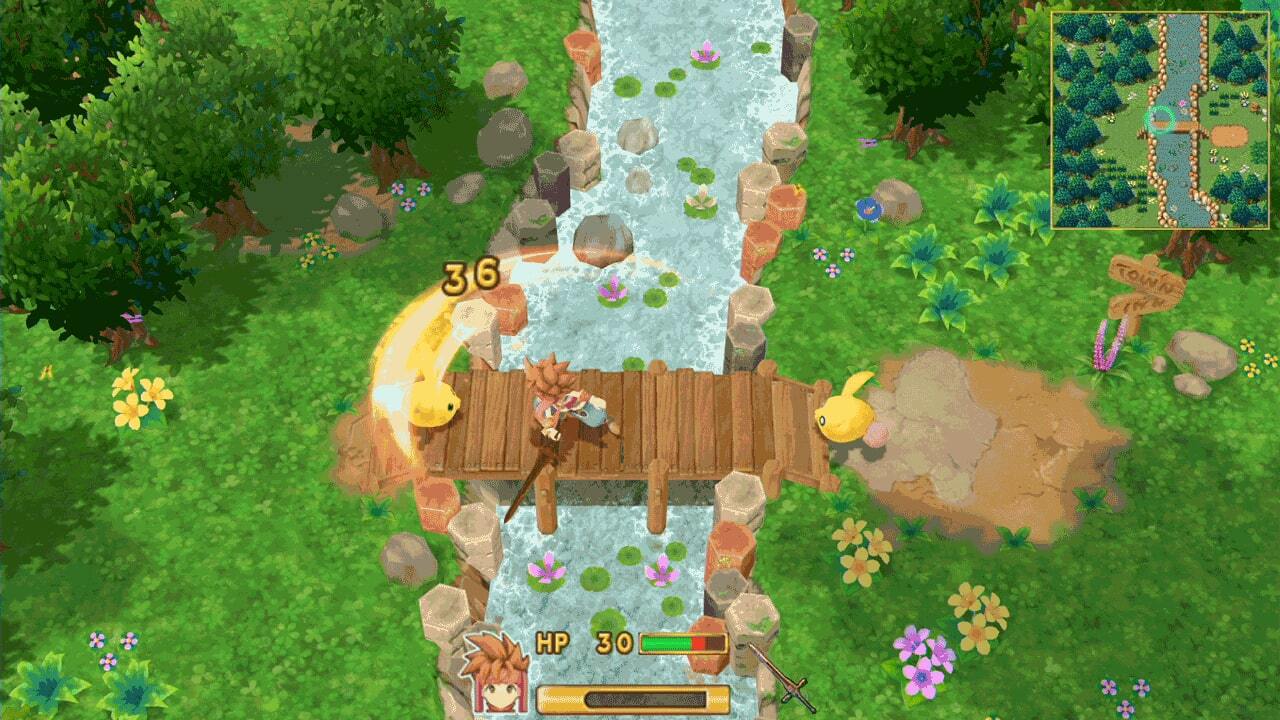
In terms of what I think of the remake’s simplistically mobile style design, it’s honestly a lot better than I had expected. Yes, the graphics felt outdated and the character’s mouths don’t move when the voices appear, but I think as a whole it kinda works. The menus could have been designed better but it still does the job on what information you need to know throughout. My main gripe was the lack of lip syncing to a pretty decent English dub. I did notice randomly dancing people in various shops but it’s apparently a part of the franchise’s charm so they will return in later games.
The level design was pretty great which is no surprise given this was developed by a pretty solid Japanese company who dominated the JRPG scene back in the day and considering I only played a small part of the original, going through this remake definitely felt nostalgic to me which is a nice change of pace. I enjoyed the boss fights and being able to switch your gear and items during battle as it pauses the surroundings was very useful in many situations.
In terms of my 28 hour playthrough, I did decide to go for the Platinum trophy which required a 100% completion of the whole game. What this is, is basically secure all of the weapons and magic and level them up to close to maximum, which as I mentioned the final rank for weapons are tied to an RNG item you need that took me hours in the final dungeon. Most of the trophies were story-related i.e. defeating an enemy boss, but the rest is visiting each location on a Flammie, a flying dragon-type of sorts, and completing the guide. The guide is where you can find details about each character you interact with and all of the monsters you have defeated. You also want to collect every weapon and gear in the game, but you don’t need to keep them in your inventory thankfully.
Overall, Secret of Mana‘s remake was pretty good despite the mobile focused design. It basically felt like playing a Super Nintendo game with a bit of an uplift, rather than your usual full-on remakes you have nowadays which is a nice change of pace. Trials of Mana is a full-on remake but that made sense because it was never released outside Japan until the Collection of Mana release for the Nintendo Switch. If you want to give the franchise a try I do recommend giving Secret of Mana‘s remake a chance, or you could just go play the original version that’s available on Nintendo Switch via the Collection of Mana release.
Astro Bot
PlayStation has a history with platformers and a lot of creative genres over the years, especially during the PlayStation and PlayStation 2 generation, but it eventually took a backseat for Sony in favour for more action driven, big blockbuster type projects with their first-party games. Now I have no problem with this at all, because they were all very well made and you can see the efforts put into them, but there’s something about a simple platformer game that to me screams ‘less is more’ in its design, and you have to credit the developers for managing those ideas because of the console’s limitations back then.
When the PlayStation VR was first released, Team Asobi who recently formed a few years prior by members of Japan Studio, created a little game called Astro Bot: Rescue Mission. This is a game many people, including myself, did not manage to play because it was exclusive to VR, but I heard that it was a fun time. Sony probably saw something from this and asked them to make another game but for the launch of the PlayStation 5 with Astro’s Playroom, a free game that helped introduce the DualSense’s capabilities and celebrate the console’s legacy. I really enjoyed Astro’s Playroom and the fact that it was free with the console also gave me nostalgic vibes of having Wii Sports bundled with the Nintendo Wii, it’s just that type of feeling that you also don’t get nowadays.
Earlier in the year I heard rumours that Team Asobi were cooking something and it ended up being a brand new Astro Bot video game but not just any game – a proper retail non-VR experience and a platformer for modern PlayStation fans. I can’t remember the last time Sony’s first-party team brought us a retail platformer outside of Ratchet & Clank‘s reimagined game and Ratchet & Clank: Rift Apart. Either way, what they showed was really exciting and was one of my most-anticipated to play.
I bought the game not long after it launched and it’s lived to what it had promised, an exciting platformer that is simple but also creative in what it wants to bring in its level design and variety. My god I haven’t had such fun playing a game like this in a while. Now why exactly is this game so good despite its simple genre?
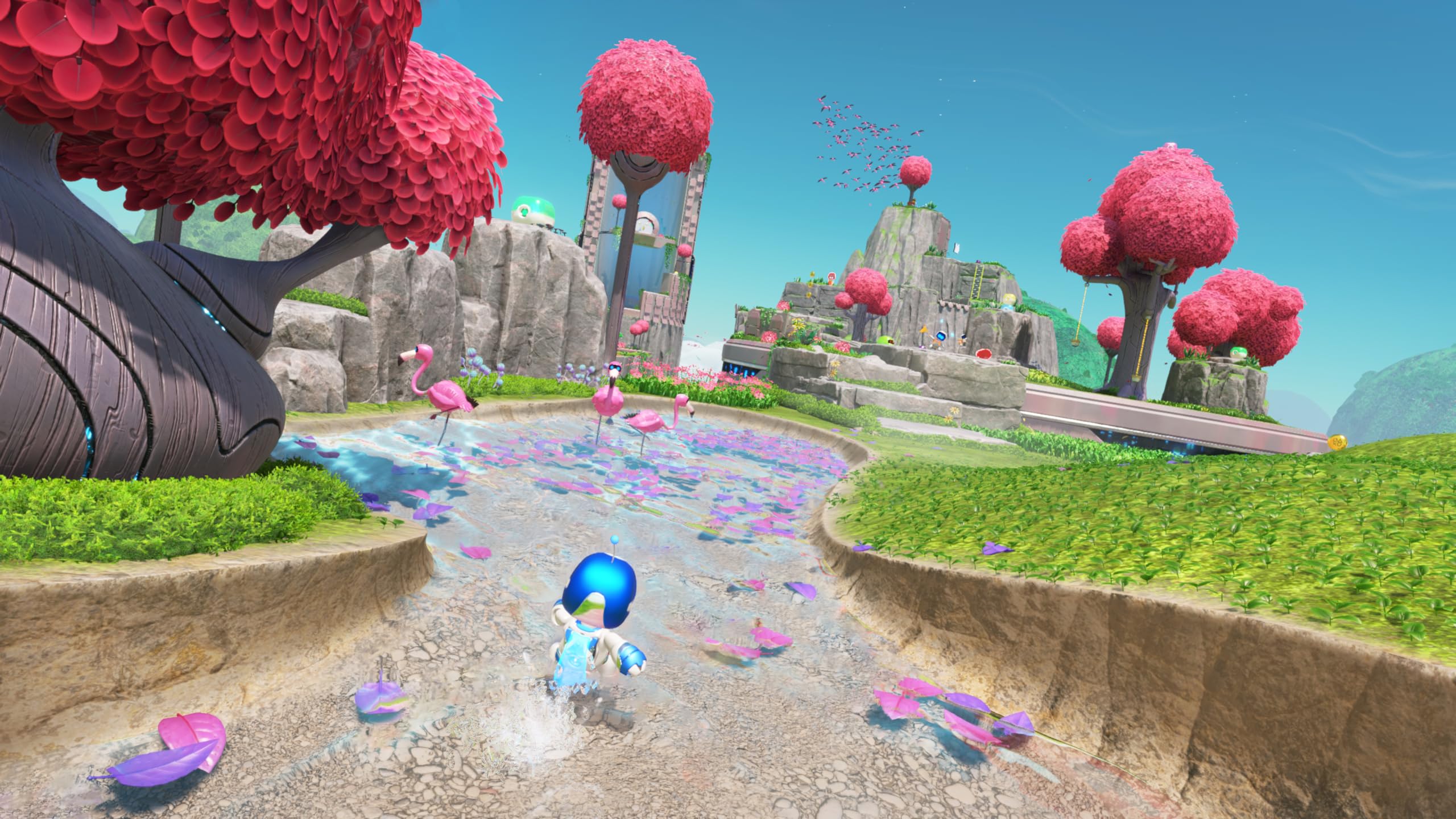
Let’s start with the level design. Astro Bot followed a similar structure to Crash Bandicoot where you have individual areas that you explore and collect items/people along the way. It’s linear platforming with some room to find very secret areas throughout. Each area wasn’t recycled which was really surprising, and there’s a lot of detail to both the texture design and the reactions of the Astro Bots themselves. There’s a theme to each level so you will encounter levels set in a jungle, or a construction area, or a casino (got to have one of those), in addition to a set of mini-levels designed as challenges that reward you with an Bot.
Speaking of Bots, there’s hundreds of them in this game and the end goal is to rescue all of them. Most are references to various video games that have been a part of PlayStation history for the past 30 years. This includes the usual suspects but more importantly games that are so niche that only those who played them on PlayStation 1 & 2 would recognise them. I managed to recognise a majority of them and I was shocked by how many appeared. Now this is technically a spoiler but to ease your expectations I may as well mention it – Square Enix characters are not featured in this game and I honestly have no clue why but I suspect it’s due to tough staff members at Square HQ that vetoed the cameos. However, one character from their catalogue did make an appearance in one of the add-on levels but it’s from the Eidos portion of their licensing list.
In each level there’s a surprising number of interactive objects. You have glass that breaks easily when you hover over them, which is really cool to see, objects that you can throw around and your spin-attacks can be used to progress forward whether its going into the air or underground. There’s also a Mario Sunshine style mechanic which was entertaining. The music in these levels is so diverse and up-beat, and adds to the level design, and the controls were really good especially when you need to shake or use the triggers to do specific actions.
Astro Bot was also a pretty easy Platinum trophy. You can 100% the game in around 8 hours, and all of the challenges and levels were fun. It is also pretty challenging in terms of how you can die when you get hit once, like older platformers, but the checkpoint system was generous and you can replay the levels without issue given they’re fairly short. I have yet to check out the add-on content they released post-launch but will check it out at a later point. This is a really good platformer and I recommend it to anyone who wants to revisit the classic PlayStation platformer experience.
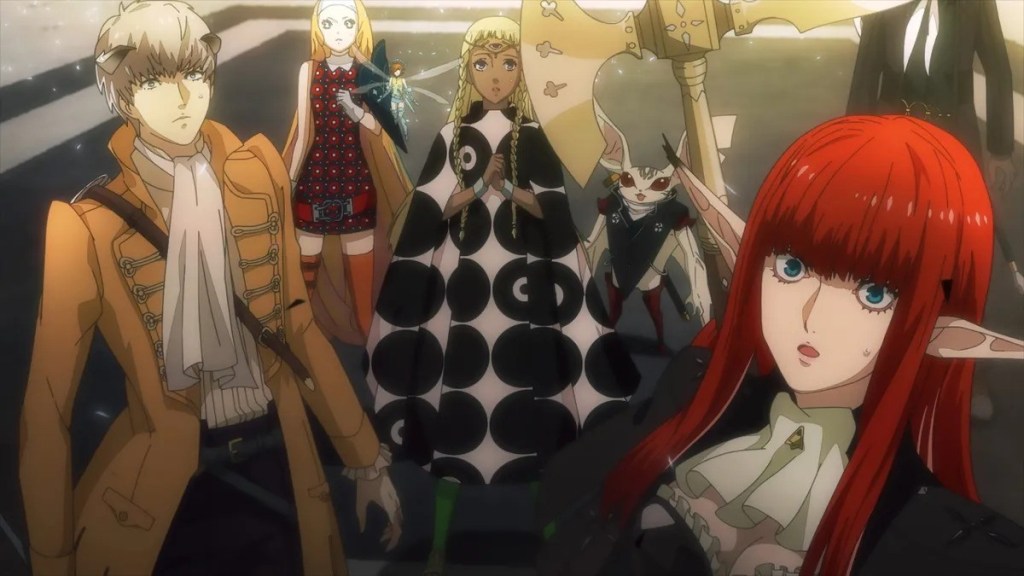
Metaphor: ReFantazio
Atlus may have placed their efforts into putting out so many Persona games but there was one project that they had been working on for a very long time, known simply as Project Re:Fantasy. Helmed by Katsura Hashino and his team at Studio Zero, with the idea of wanting to work on more projects that wasn’t just Persona over and over again. Project Re:Fantasy was officially re-announced at an Xbox Showcase as Metaphor: ReFantazio, and was also multi-platform which was needed for a new IP like this.
Metaphor: ReFantazio is best described as taking what works best for the Persona and Shin Megami Tensei franchise and creative new ideas from that. I suppose you could also see Metaphor: ReFantazio as a prototype for Persona 6 like Catherine was seen by some as a prototype for Persona 5 in terms of its game engine. But after playing Metaphor: ReFantazio, it’s definitely got potential to stick around as its own franchise to stand alongside the rest of Atlus’ catalogue. In other words, this is a really good game, in fact one of the best games I’ve played in recent years. As much as I loved both Astro Bot and Final Fantasy VII Rebirth, I would consider this as my game of the year for 2024 in general.
The story for Metaphor: ReFantazio without delving too much to avoid spoiling, centres on about our protagonist joining the race to claim the throne of the late King against other rivals, and in particular one individual who the protagonist wants to defeat for personal reasons. This is a story that becomes a lot more mysterious as you progress because you find yourself wondering what is going on in this game’s world, from the modern Japan references that appear in the game’s first few seconds of the campaign, to the character More who’s in a academic room helping you out (like the Velvet Rooms in Persona), and why are the monsters called ‘Humans’, and so on. The game delivered on many of these answers and threw a lot of curve balls which was unexpected. It ended on a really solid note and has a consistent antagonist so it doesn’t follow the predictable model that Persona 3, Persona 4 and Persona 5 went with if you know what I mean.

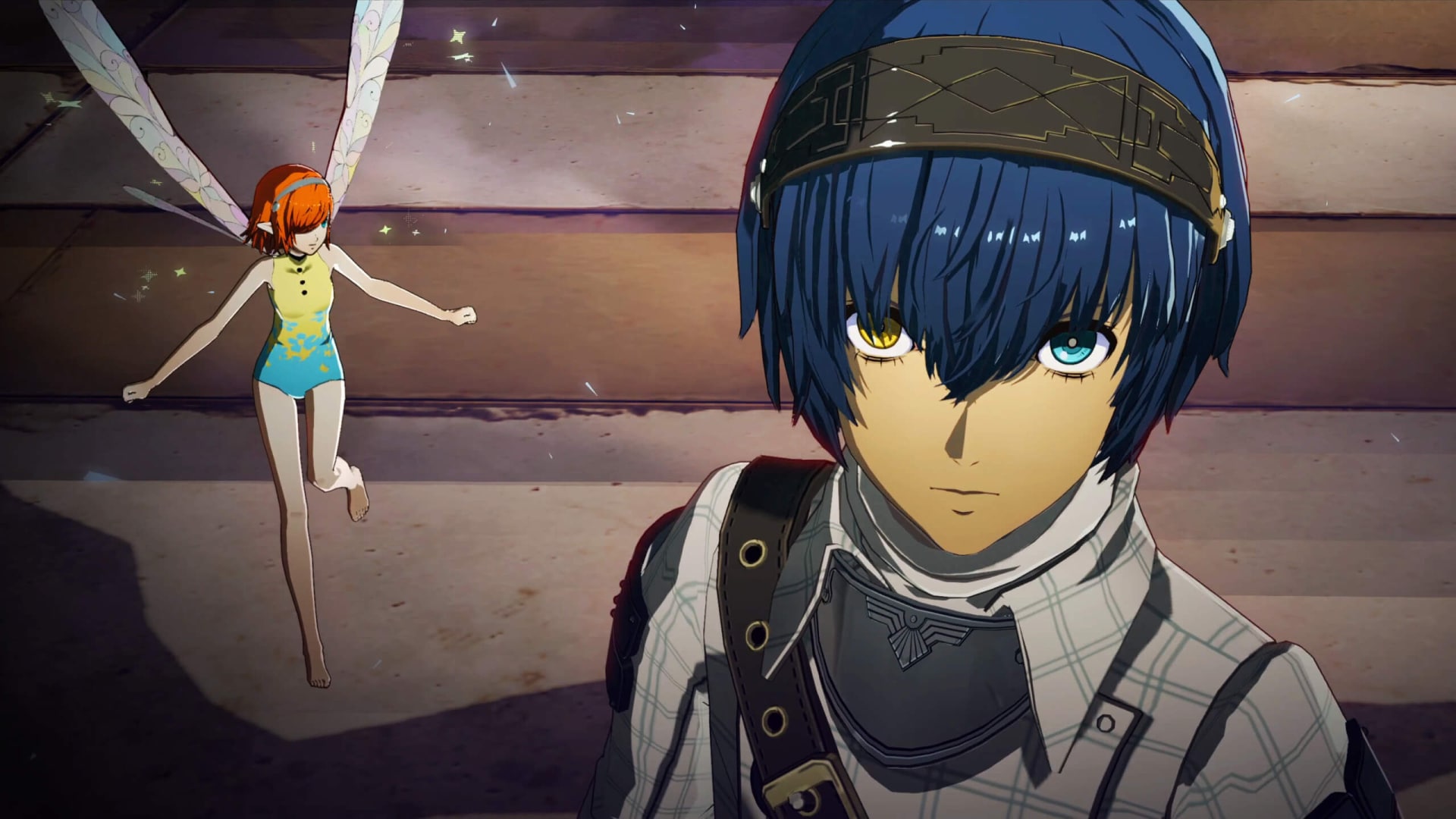
One of the things that made Persona beloved were its cast of characters but in each game, depending on your preferences, you often end up hating a character or two for due to how they act or because they fit a stereotype that was too obvious and are there solely to fit that type. I never felt that way with Metaphor: ReFantazio and I think part of that is due to the fact that each party member comes from a different tribe (in fantasy terms, different species) and they were all really likeable. Each of them share their motivations and have different backgrounds that added more to their character, which is expanded upon during their Follower Rank storylines, plus more importantly the English dub really elevated the experience.
The fantasy setting is inspired by Medieval Europe and with that comes a British English dub and language, which contrasts to the traditional American English dub and US English language that you have with a majority of localised releases. Most of the voice cast are actors for various British films and shows, including Stewart Clarke who some of you may recognise for voicing Dion in Final Fantasy XVI. The standout here is Joseph Tweedale’s performance as Louis Guiabern and it’s a shame he wasn’t nominated for his voice work at The Game Awards.
Now the combat is once again turn-based which is always great but it’s an added twist to the traditional Persona & Megami Tensei system. Metaphor: ReFantazio once again uses the ‘Press Turn’ system seen in the other Atlus games, where each character has one turn which can extend their team’s list of turns if you are able to exploit the weaknesses of the enemies whilst you can also reduce the opponent’s number of turns if your character can ‘Block’ or ‘Repel’ the attacks. The usual debuff, magic and basic attacks all make a return as well as choosing to use items and guarding.
Metaphor: ReFantazio also brought back swapping characters who are not in your main four-team row during combat but it does use up a single turn. You can also move your team forwards and backwards in the fight – being in front means you can deal more damage but are more vulnerable, whereas moving to the back is a defensive measure but means dealing less damage to the enemies. But what I love the most about the combat in this game is actually the option to completely reset the entire battle so that if you feel like you have completely botched your battle and wasted moves or items etc, you can press L3 and start over. Resetting doesn’t remove the fact that you were ambushed if that happened, but the outcomes can change.
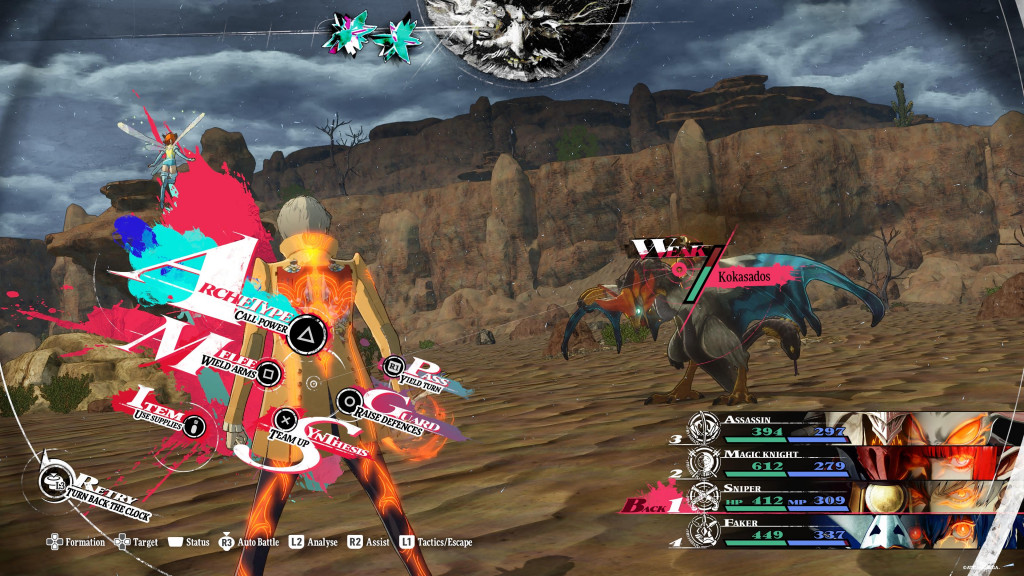
Before you start a battle you can also whack the enemy in front of you a few times which does feel like you’re playing an Action RPG in disguise, but the idea here is to hit them enough so that they can be stunned (and if they hit you back, you’re going to be ambushed). This is different to Persona 5 where you had to hit them from behind in order to stun them. If you are strong enough, you can kill them without having to stun/start a battle and earn EXP, Magla, Money & Archetype EXP which is useful for grinding.
Like Persona, Metaphor: ReFantazio has its own type of abilities called Archetypes. These are best described as classes of sorts, and you have a wide range of classes available that you can use to grow your party’s strengths including new debuff abilities, magic power and even added extras like recovering MP per turn. MP recovery is crucial because this game follows the same model as Persona where MP items don’t exist and it forces you to give up exploring dungeons further if you don’t have enough MP for abilities. While you can still deal damage against enemies with regular attacks, abilities is necessary to progress without dragging the fight for too long or losing too much of you or your team’s health during combat.
The Persona games have a model where your main character can wield various Personas while your companions have a fixed Persona. Metaphor: ReFantazio doesn’t follow that same model and instead allows you to freely choose any class for any character. Each companion will have a default class of their own and abilities prepped related to them, but you can build them further with more freedom to decide if you want one of them to become someone else completely or not. You do need to level the Ranks for each Archetype to unlock more skills but you can carry those skills over to other Archetypes which is awesome.
Some Archetype classes will be locked behind the Follower Ranks system, but unlike Persona, you are able to achieve Rank 8 for all of your characters in a single playthrough with plenty of breathing space, as long as you build up your Royal Virtues to Rank 5 as you progress through the story. Levelling up Archetypes requires Magla points which can be earned during combat. It is possible to max out an entire Archetype system with a single character thanks to end game content and I did spend additional hours just to make it happen, but my recommendation is to review the path for each companion’s setup and optimise it as much as you can so you don’t end up spending much on a class that you don’t really need for them.
Metaphor: ReFantazio does utilise the infamous calendar system introduced in Persona 3 but the game’s storyline is much shorter and there was plenty of breathing room to do as much as you can within each game’s deadline. Similar to Persona, you can spend a day going to a dungeon but the evening is just resting, while if you spend a day doing something else you can also do activities in the evening. Brand new to the calendar system is how as you travel to each destination, whether it would be a dungeon or another city, it does take a certain number of days to reach that goal, which sounds scary at first but Metaphor: ReFantazio knows what its doing as you progress through the story so it’s less annoying than it sounds.
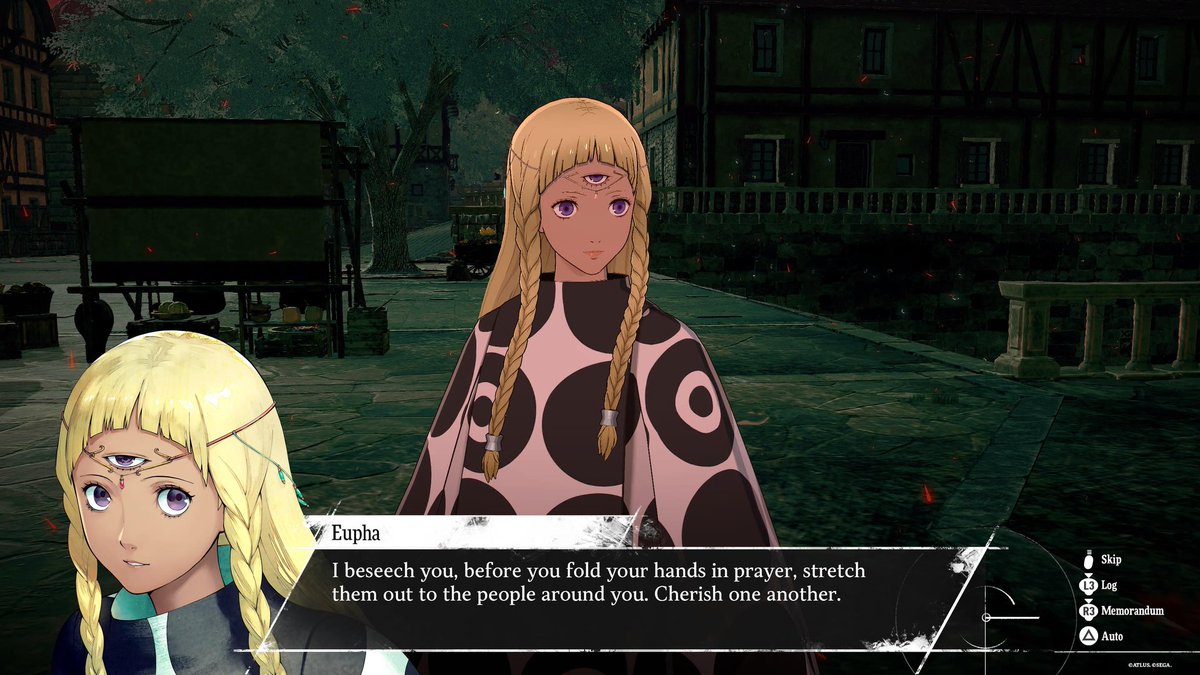
You won’t be able to 100% everything in a single playthrough, so while I was able to max out Follower Ranks, Royal Virtues Ranks, visit every location and complete a side plot involving the Trials of the Dragon, everything else was not completed which were the side quests (and I reckon with this one it was just one left involving the Coliseum and that was it), book reading and of course the post-game content which is tied to New Game+.
Atlus has always delivered when it comes to music soundtracks and Metaphor: ReFantazio is no stranger. It is different and to hear the sound of the monk chanting during combat was weird at first but if you let them cook it’s very rewarding. As much as I love the unique sound and the diverse styles in each area, there was a lot of repetitiveness during dungeon and combat in most cases. Persona does have a similar issue but what makes the Persona soundtrack work was that each soundtrack piece felt like an actual song rather than a soundtrack piece, therefore replayability works very well in that game’s case. Metaphor: ReFantazio suffers from replayability of the same usual segment of a song and when you listen to the soundtrack on its own, which I have done on many occasions even after finishing the game, the songs themselves don’t feel complete and simply repeat until the music fades. Again, there’s a lot of amazing songs in the soundtrack but I don’t think it’s as strong as what you have with Persona or even Shin Megami Tensei.
Now in terms of progression, the game is shorter than Persona but I did spend a bit more time due to wanting to get the Archetypes maxed out and make sure I was on track ahead of some of the boss fights. You ideally will take about 65 hours to finish the story but I spent 81 hours overall and I had a blast going through the game as a whole. No Platinum but what I achieved without a guide none-the-less was a rewarding experience.
I wasn’t really hyped to play Metaphor: ReFantazio though I was interested. I bought it because it’s from Atlus and the Persona developers so I knew what to expect and how polished it would become. I started it because I felt like it and could have easily placed this in the backlog for a long time, but a part of me wanted to play it sooner as soon as the reviews came in and to avoid story spoilers. So I played it as soon as my copy arrived in the mail (which was delayed by 2 weeks due to stock issues) and what I ended up with was a playthrough of a really fascinating journey from start to finish with a great cast of characters, a fantastic art style and visual designs, unique monsters inspired by artist Hieronymus Bosch and a solid and rewarding combat system. Music was still good despite my issues with it and there are some parts where they could have made it a bit more interesting but what we got is a very strong start to a new IP for Atlus and I look forward to what else they have in store for the Metaphor: ReFantazio franchise.
Fantasy is not dead.
Disney Pixar’s Toy Story 2: Buzz Lightyear to the Rescue
December arrived and I decided to go through another batch of classic PlayStation games that I have available on PlayStation 5, and the first one that I picked is a game that I do own physically on PC around 23-24 years ago – but I never finished it.
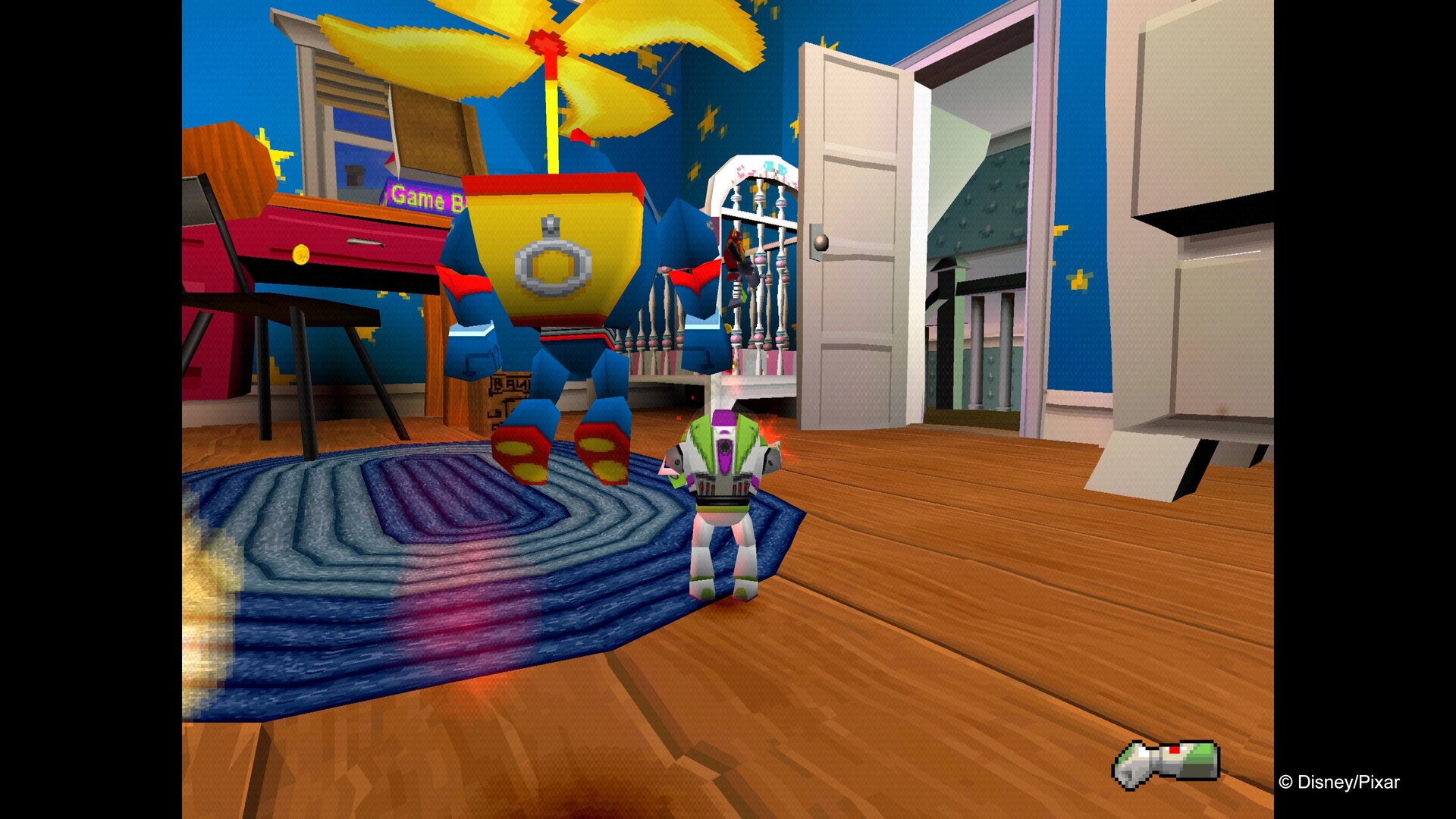
Disney Pixar’s Toy Story 2 is a great film and it’s rare to have a video game adaptation also be very good as well. Developed by Travellers Tales, Toy Story 2: Buzz Lightyear to the Rescue is an action adventure platformer that follows Buzz Lightyear from starting his mission at Andy’s House all the way to the Toy Barn and beyond. Each area was large enough for Buzz to traverse around, shooting enemies and jumping on platforms whilst also achieving objectives to earn Tokens, which were necessary to progress between each area.
The objectives share the same formula between each area. Collect a certain amount of coins and give them to Hamm the Pig, find a few missing individuals scattered throughout the area and let the owner know, defeat a boss that’s hidden in the area, and more. There were some objectives that you may not be able to complete immediately because it would require a power-up that wouldn’t be unlocked until later in the game. The difficulty for all of these is pretty decent and the controls have aged very well. You can easily fall off platforms but there’s no fall damage. Since I’m playing on PlayStation 5, the emulator’s rewind feature has been very handy to balance out the difficulty and pacing. The boss fights can be challenging though.
In terms of flaws, the shooting is the only one that hasn’t aged well mainly due to wanting to lock on in boss fights which wasn’t very easy. Everything else worked perfectly fine. One boss fight in the second to final area was pretty tedious due to its lock-on shots.
The reason I never finished the PC version was because I ended up at the Airport area and didn’t progress from there. My guess is because there were so many enemies that you took a lot of damage and that was still the case going into this playthrough. Never-the-less, I managed to make my way through the final levels and finish the game for the first time. I got the Platinum trophy as well which asks for you to get most of the game completed, but you don’t need to go for 100% completion which I did this time. Playtime was about 4 hours and I’m happy with that.
Twisted Metal World Tour
Last year I checked out the first Twisted Metal which was an interesting experience to say the least given that it was a lot tougher than I had anticipated. The second game Twisted Metal World Tour, also known as Twisted Metal 2, is where I heard a lot of people have enjoyed the most so I went in knowing that, and once again the game throws the difficulty curve ball in your face like mad.
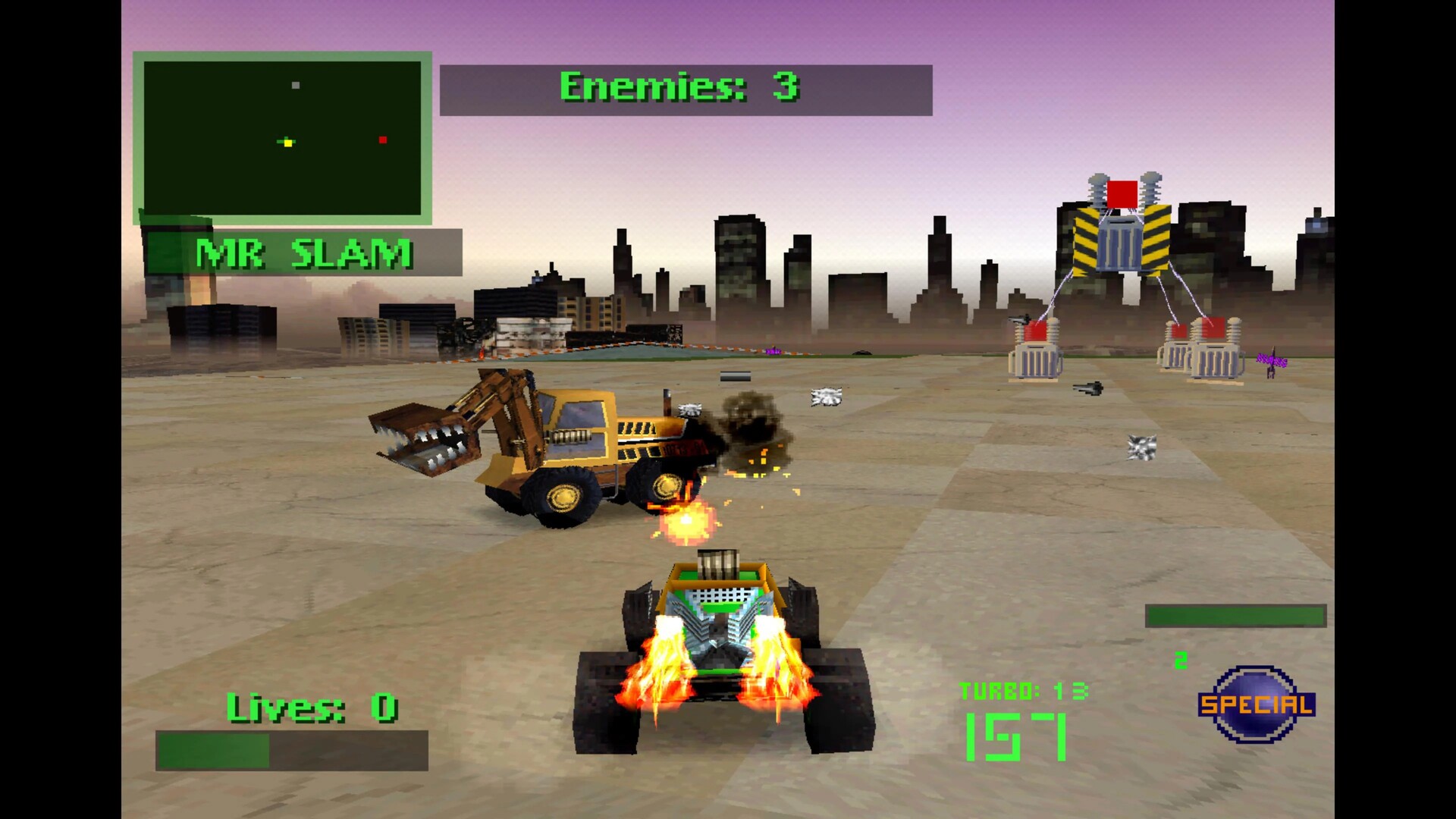
I can’t remember if the first game was this difficult but here it felt like all of my attacks didn’t do that much damage whereas everyone else’s hit me pretty badly. It felt rather unfair in the difficulty balance which is a shame given they have expanded the game design to have different locations based on the country like you have a Paris type level and a Hong Kong type level which looked great.
Like the previous game, you have a story mode where you can play as any character and each one has their own stats, whether they are fast to drive or bigger in defence. The weapons variety is hit or miss depending on who you have because some do pretty solid damage whilst others I have no clue if it made any difference or not. Along the way in each level you can grab various different types of weapons to help you with combat, like rockets or projectiles or landmines. There’s also a lightning powerup which I don’t think helps you at all because it kept zapping my health which didn’t help. There’s also some pretty cool hidden secrets throughout much like the previous game did, and they do come with health and more weapons if needed.
The final boss was a pain. They were essentially a sponge in terms of health and not every character’s vehicle does a good job at combating it so you will struggle a lot. There’s also a second phase which is easier but annoying as well.
Overall there’s not much to say about Twisted Metal World Tour other than the fact that it’s an expanded version of the first game which is good but the game’s difficulty I’m not sure I would want to face ever again for this franchise. Thankfully cheat codes do make a return allowing you to continue the mission levels without having to start over (and the game doesn’t punish you for this, probably because it knows how ridiculous it is already).
I will say though that the cutscenes were pretty good and fit the vibe of the dark humour the game provides. I did manage to get the Platinum but it’s the same approach as the first game with finishing it with each character.
Everybody’s Golf 2
Last year we went through the original Everybody’s Golf and this time I finally checked out the second game in the series. The difference this time is that instead of developer Camelot working on the game (as they eventually moved over to Nintendo to work on Mario Golf), we have Clap Hanz step in which is also their first major game.
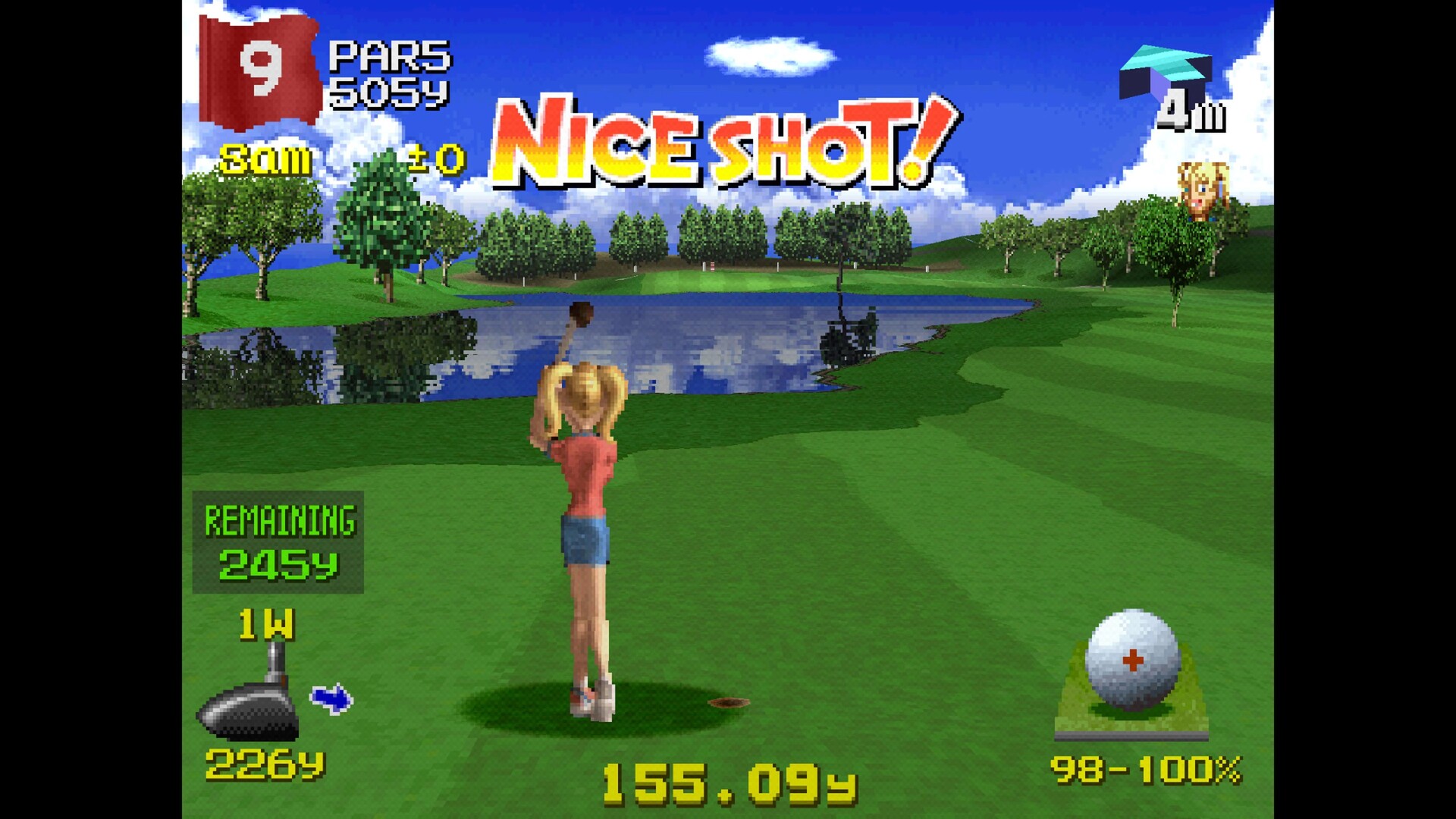
Everybody’s Golf 2 features a few various modes. You have tournament mode where you can go through a course per ‘season’ which changes the layout based on the time of year, i.e Winter having snow and Summer being rather sunny. If you do really well, you’ll earn points and once you gather a specific amount, you can unlock the next tournament.
Each course you play will also unlock additional items like new clubs, new moves and winning the tournament also unlocks a new course to play. While the Platinum trophy doesn’t necessarily need you to go through the tournament to unlock courses, it’s good to have more variety as you venture throughout the game.
The other mode is Versus which has you go up against different golfers. Whichever character you pick will allow you to play a course against another opponent including those you have yet to unlock as a playable character. The mode works where if you win the round, you earn a point and if you manage to earn enough points to which your opponent can’t beat you, then you win the mode and that specific character will be unlocked as a playable character. What does make this instalment interesting is the addition of guest characters with Sweet Tooth from Twisted Metal, Sir Daniel Fortesque from MediEvil and Gex from Gex, who are pretty challenging if you are not skilled enough by this point as those three are the final unlockable characters in the game.
In terms of the controls. I feel like this game’s controls were way harder than the first game. Every time that I attempt to hit the perfect shot is missed by a fraction each time. Thank goodness this emulator has the rewind feature because it’s taken dozens of shots to get used to the mechanics. Basically I had to press the button early just to get it spot on which felt off-putting, and I wonder if this was a gameplay issue that got fixed with the next instalment or its just me not getting it right each time. But I don’t remember struggling this much with the previous game or even the newer ones in the franchise.
There are many other modes also available including Practice but I focused mainly towards Tournament and Versus. The trophies for this game is harder than the previous game mainly because of the unlockable characters that is more challenging than before, and the Albatross and Hole-in-One shots can be more tricky and RNG heavy if you don’t have the right course or the right position to take those shots. I got lucky and was able to get the Platinum, though it took about 10 hours to achieve overall.
TimeSplitters
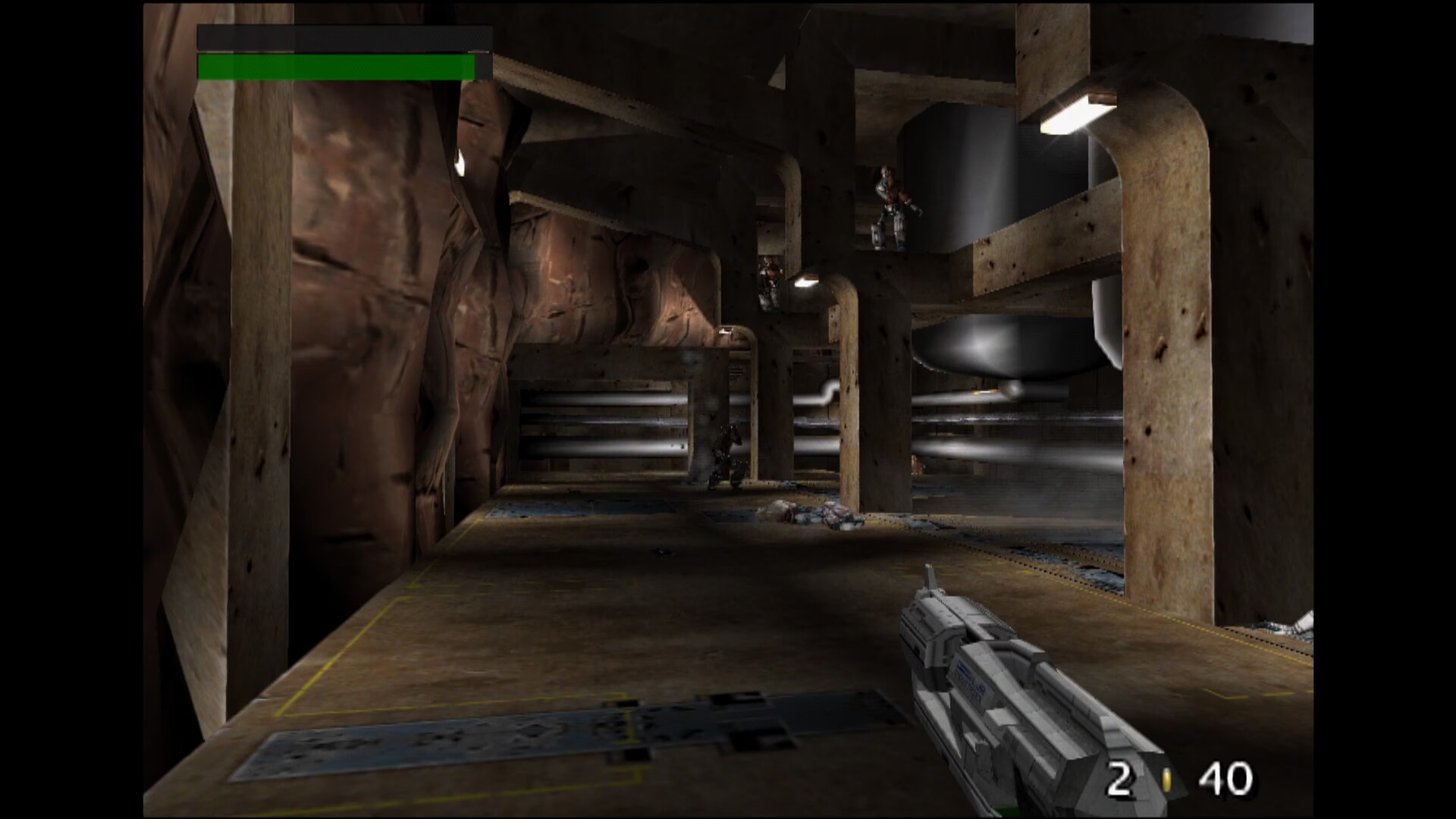
A franchise that I waited twenty years to finally check out on modern platforms. TimeSplitters is a first-person shooter created by the developers behind Rare’s GoldenEye 007 and Perfect Park, and the DNA is definitely here with how you shoot enemies on screen.
TimeSplitters‘ story is not really present here and my guess is that all of the context going in were all stored in the instruction manuals which were included in those physical PlayStation 2 copies and didn’t carry over into digital form. The story here is that you go into each of these various different time zones and worlds to retrieve items and head out before you get swarmed by monsters called TimeSplitters. Each world has a lot of variety so while the goal is the same, the enemies you encounter are all different because you can get a zombie, a mummy, a Mafia type individual, a soldier or even an alien or robot. The game is bonkers and works well for that.
The difficulty was also surprisingly tough. The game does have health packs but even on Normal difficulty the enemies will take a whole chunk of your health pretty fast. Thankfully this emulator has rewinds but you need to get used to the controls pretty fast to make progress. The story mode is pretty short and overall the level variety is interesting and the characters look unique in their designs. There is also an Arcade mode for multiplayer and also comes with a map editor which is pretty good from what I have tried and its a shame this emulated version doesn’t include online multiplayer or sharing system.
Then comes the Challenge mode which features different tasks like surviving a horde of enemies to reach a certain number of points, eliminating hundreds of enemies in a certain amount of time or just randomly protecting someone, or breaking some glasses. It’s diverse but the game is nice enough to let you respawn and jump back into the action when needed. Some were easier than others and the final challenge was a nightmare but seems to be RNG related as my re-attempt was much better.
Now in terms of negatives, the controls have aged a fair bit with the aiming still tied to the classic Rare shooter layout which was fine back in the day but could have done with updates to be more in line with other shooters released at the time. I did have to rewrite this part because I consider it as ‘currently under investigation’ for me personally but I did struggle to play this game by not feeling particularly great. I was thinking it may be nausea but I’m not 100% sure. Basically this game should have been done in like a single sitting but it took a lot longer than I had wanted to complete.
The game ran smoothly at 60 frames per second but I wonder if its the Field of View and how fast you can turn the camera that may be why I felt off. I do think this would have been resolved if this got the proper remastered treatment than a straight-up port but for now I’ll have to figure it out later. I did manage to Platinum the game in the end, but it took numerous breaks from playing.
Overall I would say it took about 4.5 hours in total to get everything done. I won’t be playing the second and third games any time soon until I’m confident it won’t affect me that much and I’m pretty sure I played the second game years ago which I remember being perfectly fine.
Do I recommend the first TimeSplitters? Definitely, it’s a launch title for the PlayStation 2 that showed what it can do and I think it delivers. There’s a lot of fun that can be had but we know the later games are the more preferred ones especially when it comes to story. I do advise a bit of caution if you have issues with motion sickness though.
Super Stardust Portable
When I received a PlayStation 4 one of the first games I played on the console was a little PSN twin-stick shooter called Resogun, developed by Housemarque who would later make Returnal. I heard about their other game called Super Stardust that’s been released on PSN for PlayStation 3, 4, Portable and Vita, but I never played them. I’ve seen the gameplay but not tried them out.
When Sony started the Classics programme for PlayStation Plus Premium, PlayStation Portable was a big inclusion and the first title to be added was Super Stardust Portable, the portable version for Super Stardust HD, and now I finally give it a shot since I have access to the premium account. Now as I’m playing this on a an emulator, you have the option to customise the button configurations and because PSP did not have a right analog stick, I moved the controls used for shooting onto the stick to give it a closer experience to what you would call a twin-stick shooter.
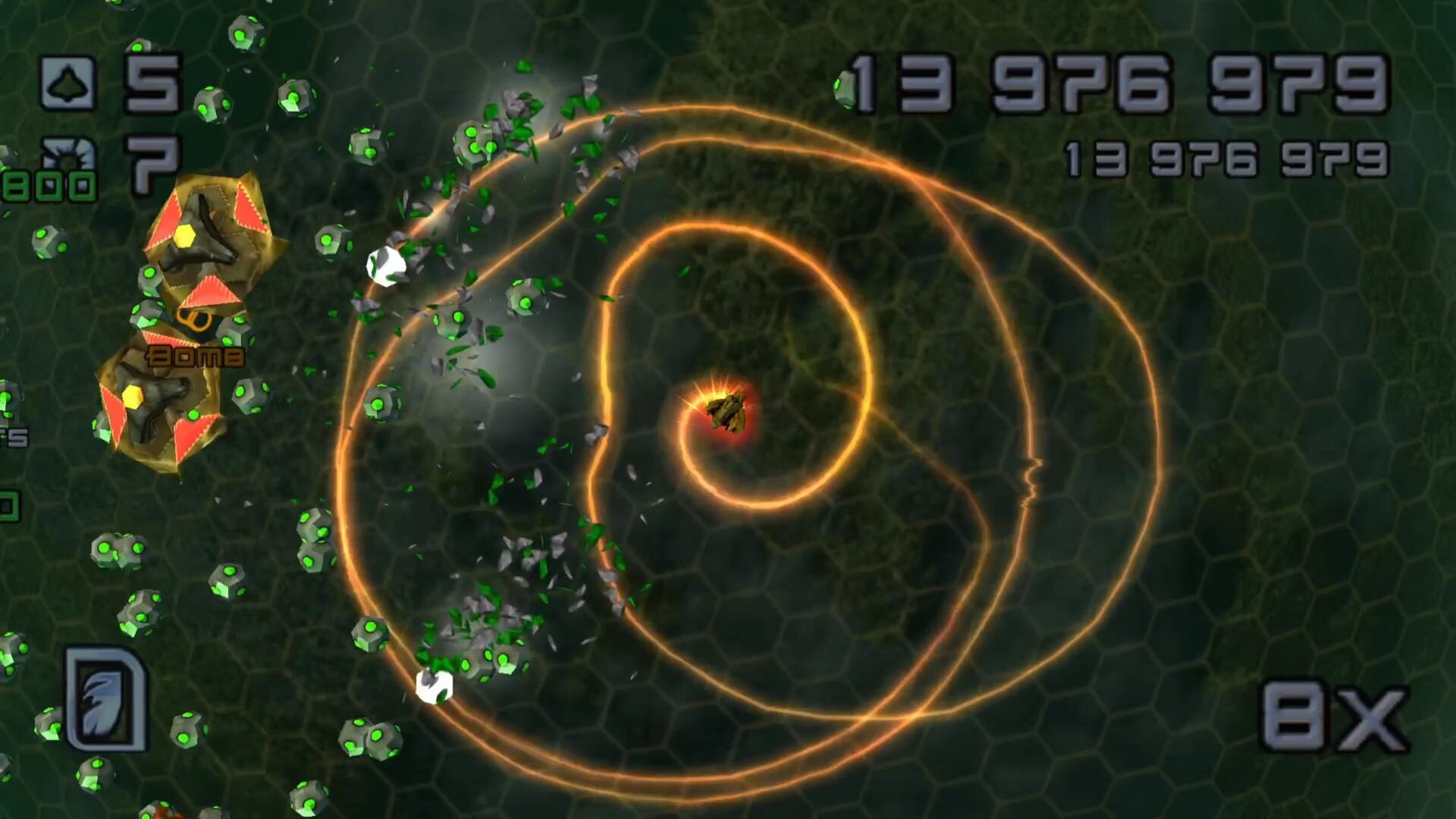
Out of the bat, this game held up really well. The graphics were simple but effective and it’s very challenging if you weren’t experienced with these types of games. Everything on-screen will destroy your ship if you touch them even once, now the emulator’s rewind does make the difficulty much easier but you still need to be good at dodging everything in your way because the later levels ramp up the difficulty.
In Arcade mode, there’s about five phases per planet and the way you complete the phase is shooting a nuke which will destroy everything on-screen. The more your ship stays alive, the higher the multiplier becomes. You can also use a boost to quickly move through some tough spots, and bombs to destroy the area around you. The bombs you can store as many as you want and to receive them is by shooting a green box out of a storage ship type which will provide you with at least 2 bombs per phase.
There’s various shooting types you can use during the game. There’s the starting gun which shoots green bullets that will slowly get bigger and more in quantity the more you use them. There’s the ice bullet which is similar but seems to do a good job taking out the icey rocks. And then you have the fire lava type that acts like a lazer you can keep going in all directions. I mainly focused on the starting bullets because it did the job throughout all of the modes.
Once you have finished the planets on Normal difficulty in Arcade mode, the game will continue by starting over (keeping your scores and progress) but switches the difficulty over to Hard, but there are other modes also available. In Endless mode, this is very similar to Arcade mode but with a single phase with everything going at you and numerous nukes available to take out the enemies on-screen. In Survival mode, you have to avoid all of the indestructible objects that are in your way with bombs available to try and move them away from you. In Bomber mode, you can only use bombs to take out everything on your screen whilst dodging the objects around you.
The Platinum trophy was added post-launch and it’s a solid selection. You essentially finish Arcade mode and achieve certain objectives, and play the other modes. It took me about 2 hours to get all of the trophies but it’s a short game overall. I do recommend it as it’s pretty solid for what it did back in the day.
Pinball Heroes
When Sony announced that this pinball game released for the PlayStation Portable was coming to PlayStation 5 via their Classics programme, I was curious. I like pinball but I don’t own a video game of that type on modern platforms so I was intrigued to see how this one plays.
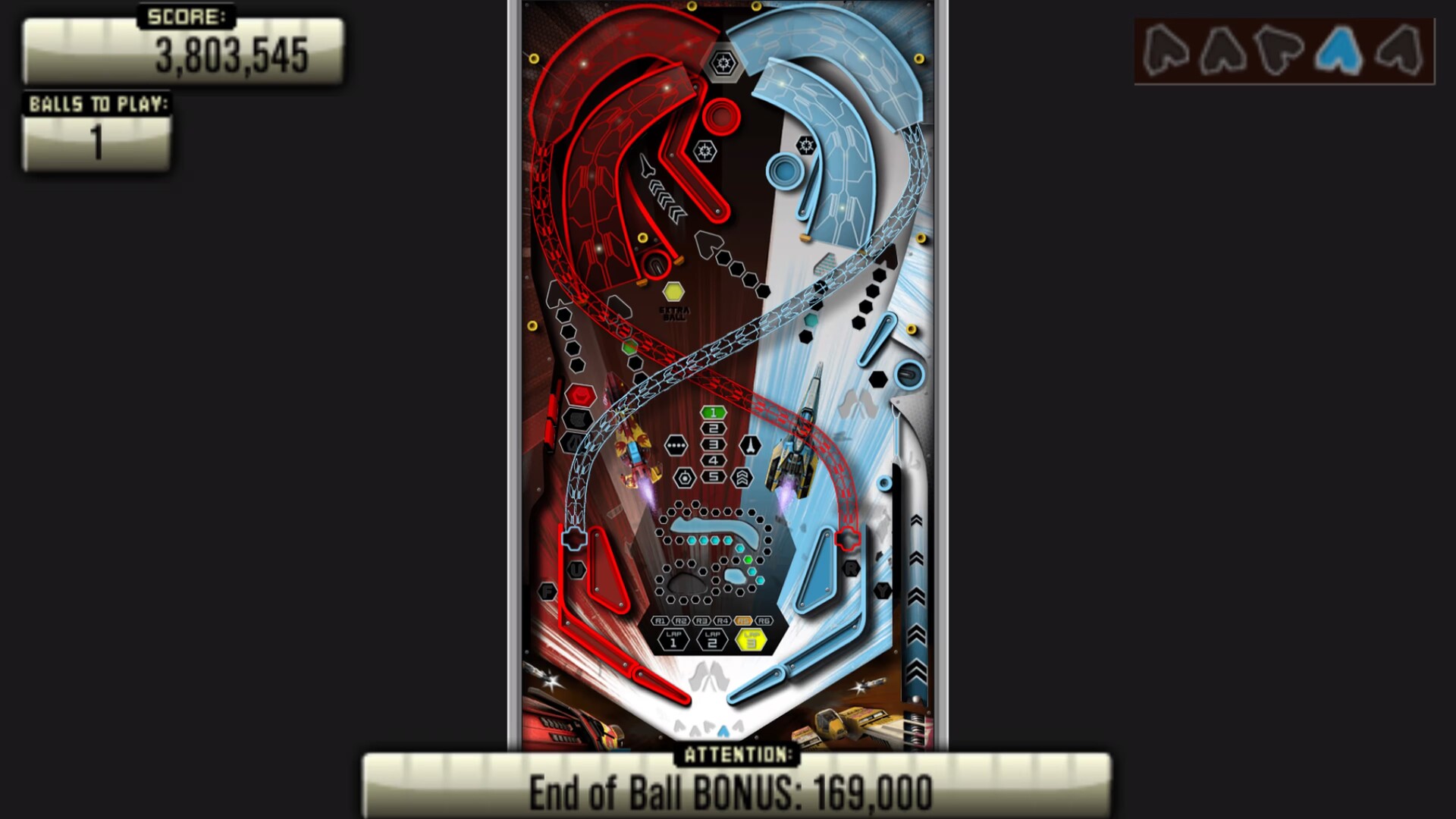
Pinball Heroes was developed by San Diego Studio, the folks behind The Mark of Kri, Pain and more notably the MLB The Show franchise, so knowing that this is the sort of game they would probably make. And what the title says is what you expect – it’s a pinball game, but with eight different video games from Sony’s catalogue representing the designs of each pinball machine which is pretty cool.
So the video games involved that have a pinball machine of their own are San Diego Studio’s Pain, High Velocity Bowling and ModNation Racers, Naughty Dog’s Uncharted, Clap Handz’ Everybody’s Golf, Titan Studios’ Fat Princess, Evolution Studios’ MotorStorm and Psygnosis’ WipEout. Each game have their own style and setup so they don’t play the same, i.e. you have to aim at different parts of the board to get the points going.
The best example is High Velocity Bowling where you need to hit the bowling area to then aim for a strike or spear before you can receive bonus points to increase the score. Another example is Everybody’s Golf where you have to perfectly aim at the centre to then be able to get the pinball into the golf hole. The most challenging ones I’ve encountered are ModNation Racers due to not being able to earn that many points throughout, Fat Princess due to its very complicated setup like a real-time strategy and MotorStorm due to needing to aim at specific parts of the board to get the points which is not easy to achieve. The pinball can also just end up in the gutter out of nowhere which is annoying so there is a bit of RNG throughout.
Overall this is a pretty entertaining but short-lived game for the PSP. The Platinum trophy is also very simple with trying out each board and aiming for the high scores on each one.

Killzone: Liberation
A few years ago I played the second and third Killzone games which I enjoyed a fair bit and whilst I haven’t play the other games, I did learn about how the PSP instalment was pretty well-received despite not following the same FPS formula because of the device’s limitations (it ain’t going to work when you only have one analog stick). With Sony adding the game onto their PS Plus Premium service I decided it was time to check it out.
Killzone: Liberation takes place in-between the first two games and switches the gameplay up as a top-down third-person shooter which surprisingly works for the most part. You use the left analog stick to move the character around, the L1 button to strafe sideways, R1 to crouch and take cover, Square to shoot and Circle to throw grenades. The enemies do have HP bars which helps how much health they have left when you shoot at them, and from what I can see you can only have one weapon at a time with slots for syringes to help heal your teammate who may accompany you from time to time, and grenades/C4.
The game’s story mode is divided into four chapters with four missions each, and each chapter has had different locations whether its in the middle of a warzone, a swamp, frosty area or in a dessert. They’re all really well designed and the enemy variety and robot bombs were pretty cool too. You do lose your health a lot though but the game is quite generous with how you have a big stash box from time to time that offers you different weapon options, health refill (finite amount though) and grenades/C4/remote bombs. The story is pretty simplistic but it does the job for what they wanted to convey but the boss fights do a lot of damage to you so you will struggle a fair bit throughout.
Throughout each mission you may find a suitcase which offers money, this money once built up will unlock more weapons and upgraded versions of the current weapons which will make combat easier in the later levels, especially considering you will die a lot though rewind with the emulator helps. You can also receive extra bonuses before each mission starts which are achieved by gaining points from the Challenge mode.
Challenge mode includes various sets of tasks like shooting down targets, finding items, moving remote bots into cages and defeating your position against foes. They’re all fairly short but very fun. You do get ranked with Bronze, Silver or Gold and the higher the medal the better the points. You have to complete the chapters first before you can start this mode but I was able to get through all of the ones that I unlocked throughout.
The Platinum for this game which I was able to get, is completing all four chapters of the base game (there is a fifth chapter that was DLC but I didn’t take part in that as I got stuck on the first mission and just gave up) and completing the 24 challenges plus a few miscellaneous objectives. The game took me about five hours to get everything done and I had a good time. It’s a solid spin-off to the franchise and speaking of which, Killzone: Mercenary on Vita is also highly recommended if you haven’t checked that one out.
LocoRoco: Midnight Carnival
I’ve heard a lot about the LocoRoco games. They are one of the most popular niche franchises in Sony’s catalogue which started off on the PlayStation Portable and while a remastered version of the first game was brought over to PlayStation 4 I haven’t played it or do I own it. My first experience with LocoRoco is actually through a certain recent game of the year title which I won’t name for spoiler reasons and I liked what they had offered.
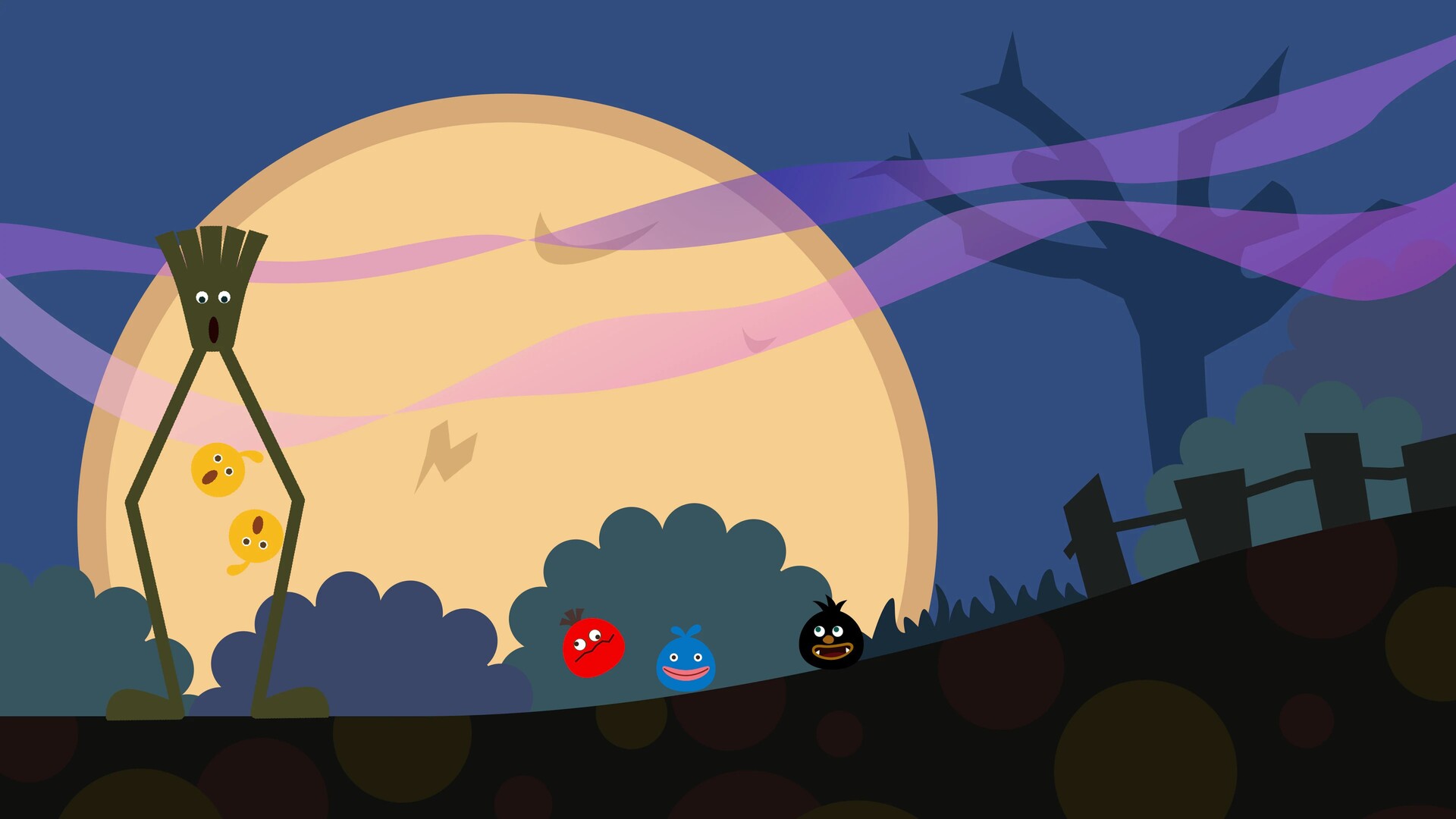
LocoRoco: Midnight Carnival carried the same style as the previous games where your goal is to get your LocoRoco character from point A to point B and avoid various obstacles along the way. You use the L and R controls to tilt the screen to have the LocoRoco character move along which is a cool idea and then you have to use either L and R to also make the character jump which sounds great on paper, but the execution depends on the level design.
To be honest, the biggest problem that I have with this game are the controls themselves. In a lot of situations especially during the final few levels you are going to end up fighting more with the controls than the game itself because you can easily lose the momentum and the jumping is not really great. I think the problem here is that they placed both the tilting of the character and the jumping on the same buttons when in reality they should have kept it separately. I am curious to know if the PlayStation 4 remasters have fixed this issue because I love what this game provides but the controls haven’t aged very well in my opinion.
The Platinum was pretty easy as it’s essentially go through all of the main story levels in the game which took about 75 minutes.

Akai Katana Shin
I figured since I haven’t played any Switch games this past year outside of MushimeSama, I decided now was the time to check out another Cave bullet hell shoot em up with Akai Katana Shin. Akai Katana started off in 2010 in the Arcades over in Japan which was eventually ported over to Xbox 360 as Akai Katana Shin in 2011 for Japan, and 2012 for the rest of the world. Then we got a modern platform release years later which includes the Nintendo Switch.
Like before I have played through this game not as a competitive ‘finish the game without a game over’ approach but more or less, progress through the modes with different characters and such, like a casual experience. The first thing I noticed is that it’s not a vertical design but rather horizontal which I didn’t realise but was an interesting experience to play. It did feel a bit busier because design-wise you feel like you’re sitting closer to the combat, but it plays very well.
There are three versions included with this release on modern platforms; the original Akai Katana that is presented in 4:3 aspect ratio, Akai Katana Shin which is the main mode presented at full screen (16:9) and has extra levels from what I can gather, and Zetsu Katana which I couldn’t tell what was different for the most part from Akai mode. There are three characters that you can play and they each have their own style of gameplay and what I found interesting is that you have your main shooter but also a mini companion of sorts that you can use to shoot enemies from a specific angle, whether its further up on the screen or right in front of you which adds more fun to the combat.
In terms of the difficulty I think this is easier than MushimeSama but around the same difficulty as Espgaluda II outside of the bosses which is up and down. There is apparently a true final boss but I don’t think I encountered that in my playthroughs. In terms of level variety and gameplay mechanics I do prefer DoDonPachi Resurrection and Espgaluda II though but I can appreciate what the game was going for with its design.
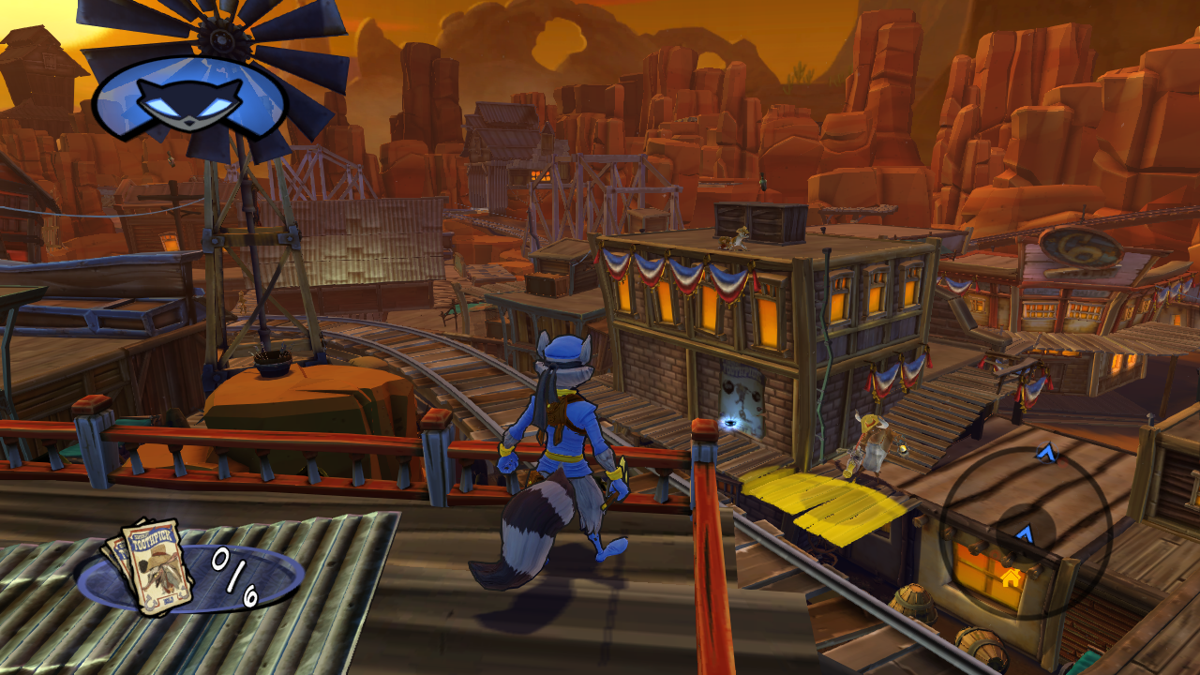
Sly Cooper: Thieves in Time
The final game for the year to play was a tough choice as I wanted to end the year on a good pick but also a game that didn’t take too long to complete. In the end I decided on Sly Cooper: Thieves in Time, the fourth mainline game in the franchise.
Released in 2013 by Sanzaru Games, taking over from Sucker Punch, Sly Cooper: Thieves in Time followed the same model that the previous two games had done, offering a mini open world with various missions to eventually conclude the episode with a heist style approach. Though here, the difference is that it’s not really a heist, more like defeating a boss. Sly Cooper: Thieves in Time went for a ‘what if someone is interfering with Sly’s existence and use time travel to fix it’ and with that we have different worlds introduced from various moments in time, for instance historical Japan with ninjas and sushi. Sly and the team figure out what they need to do to protect their present and stop the boss from causing further havoc.
The gameplay is similar to the previous games, with a button dedicated to locking onto glittery blue objects that allow Sly to progress through the surroundings. I read that critics hate this idea but I found it works really well because it helps when you are climbing around the area due to various levels in the mini open world, like ropes and buildings or random objects. The game can be pretty buggy when you are trying to jump onto objects as your character model still assumes you’re still falling, but in most cases it works well.
This is a stealthy focused game but you can combat enemies if needed, though you are at a disadvantage if you do try to fight enemies as Sly. You can play as Bentley who is still in a wheelchair but don’t let that fool you as he can deal a lot of damage against enemies with his bombs, and also Murray who is the brute of the brunch. There are more characters that you can play for brief points throughout the game with their own skillsets. Like before, you can steal coins and sometimes randomised items to earn more cash which you can use to purchase new abilities in the ThiefNet.
Collectibles make their return once again. Sly Masks are placed throughout the missions and open-world area which you can easily miss if you’re not careful. There’s bottles throughout the area that will let you unlock a safe that gives you more features to support you with the journey, like having coins go towards you if you’re nearby. And for added challenge there are treasures scattered in the area that you have to bring back to your hub area without taking damage and within a time limit. Some of these treasures are also locked behind specific abilities that you will unlock throughout the story.
The missions themselves have some similarities in each episode but they do try to change it up each time. You have mini-games with Bentley which are pretty interesting though can be a pacing killer when you want to replay those missions to find collectibles. There’s following the enemy without getting spotted which is decently paced, you have missions where you need to find or break something which can either be stealthy or not depending on the situation, and you have missions where you just need to take a photo or two. The length of the missions is pretty decent and don’t take up too much time. There are a lot of cutscenes throughout which look better than the original trilogy and hold up pretty well all these years later.
In terms of criticisms, one major thing that reviewers have noted and I’ve noticed it a lot is that loading times are too long. This game needed a fast and steady pace and these loading screens are an absolute mess. Another issue is the frame rate is not stable in specific areas, especially in the later episodes where it feels busier than usual in the surroundings. My game actually crashed because the frame rate got so laggy during combat being hectic. Outside of those moments, it does run pretty well otherwise, but the main issue is still loading times especially when you want to go for the Platinum that requires a lot of backtracking.
Speaking of the Platinum trophy, I did manage to achieve it. This game’s trophy list is not easy to say the least but it is definitely doable. The challenge that you will have is collecting everything throughout the game and doing specific moments in each mission in one take, whether it be a perfect run during a mini-game or without taking damage or within a time limit. There are also arcade mini-games related to Bentley’s stuff that have high scores you need to beat which is challenging if you don’t do it right and one of those mini-games uses motion controls which is not great due to how sensitive it can be.
Overall I would say Sly Cooper: Thieves in Time is a solid game for the franchise. It does a lot of things right and it’s a shame we haven’t seen any more from them since. This was released in the final year before PlayStation 4 came along and presentation-wise it does feel like a polished PlayStation 3 game, though there are graphical and loading issues throughout. The story is pretty good, although the final act feels pretty rushed but the cast is strong and the gameplay is still fun to play. This game does deserve a remaster in my opinion. Playtime was about 15-20 hours overall.
And that concludes my list of video games I played throughout the year of 2024. The backlog has continued to increase, with 192 PlayStation games (increased from 184 in the 2023 post) which consists of 19 PlayStation 3, 108 PlayStation 4, 57 PlayStation 5, 2 PlayStation Vita and 6 PlayStation Classics, and 138 Nintendo Switch games (increased from 56) currently though a lot of them may get removed given they may be treated as duplicates or not proper playthroughs (as they’re either arcade or fighting games).
There’s a lot of games that I would like to start playing but my job has admittedly been getting in the way, though I am hoping to work my way around it a lot better going forward. Many games in the backlog are pretty lengthy so perhaps trying to aim for 40 completed games per year isn’t going to work at this rate. To give you an idea of what games are currently in my blog, below are some samples per genre:
Action: inFAMOUS (PS3), Prince of Persia (PS3), Shadow Man Remastered (Switch), Tomb Raider I-III Remastered (PS5), Yakuza Remastered Collection (PS4).
Action RPG: 3D Dot Game Heroes (PS3), Star Ocean: First Departure (PS4), Tales of Berseria (PS4), Xenoblade Chronicles Definitive Edition (Switch).
Adventure/Visual Novel: AI: The Somnium Files (PS4), Anonymous;Code (Switch), Blade Runner Enhanced Edition (Switch), Punch-Line (PS4), Raging Loop (PS4).
Horror: Alan Wake Remastered (PS5), Clock Tower: Rewind (Switch), Dino Crisis (PS1 via PS5), Signalis (Switch), System Shock (PS5).
Puzzle: Catherine Classic (PS3), Hatsune Miku: Logic Paint S (Switch), Kurushi Final: Mental Blocks (PS1 via PS5).
Shooter: Control (PS5), DOOM Eternal (PS5), Powerslave Exhumed (Switch), Sword Art Online: Fatal Bullet (PS4)
Tactical RPG: Advance Wars (Switch), Fire Emblem: Three Houses (Switch), Langrisser I & II (PS4), Unicorn Overlord (PS5), Valkyria Chronicles 4 (PS4).
Turn-Based RPG: Eternal Sonata (PS3), Final Fantasy I-VI Pixel Remasters (Switch), Megadimension Neptunia VII (PS4), Persona 5 Royal (PS5), Valkyrie Profile: Lenneth (PSP via PS5).
That’s all for this post. If you haven’t seen Part 1, you can view those games here!
 The Normanic Vault
Leave a comment