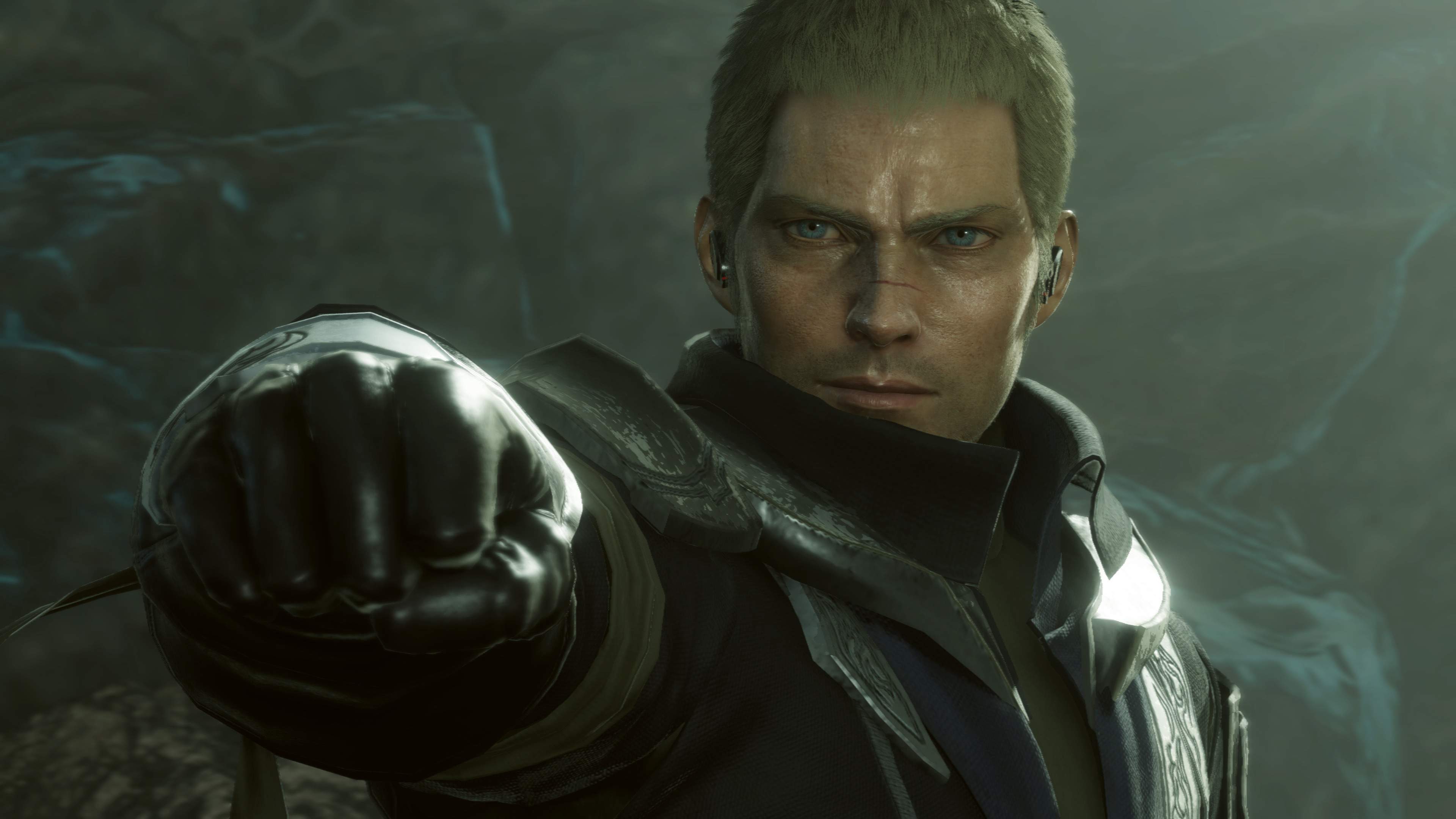
2024 has been a pretty tough year for me personally. My job has interfered way too much to the point where I was only able to complete 29 video games throughout the year of 2024 plus one more that landed into the early hours for 2025.
While I have continued to grow my video game collection, the job has made it more challenging to go through the backlog. The issue with my job I’ve stated before, but long story short there’s weekend work here and there which makes game progression get delayed or take longer than they should which is sad. My hope for 2025 is that I will manage to find a solution to this, and this goes for the anime backlog as well.
My thoughts on 2024’s backlog is that I’ve managed a couple of pretty interesting games, a few of them were among the best rated games of the year and one of my favourite gaming experiences in a long time. The completed games for this batch consists of mainly from pickups during 2023 & 2024, with a small number of older backlog from 2019, 2021 & 2022. For the first time in a long while I’ve also included games that I don’t officially own because of PlayStation Plus Premium which I still had access to. For the most part the games completed were from PlayStation 3, PlayStation 4 and PlayStation 5 with two ported games on Nintendo Switch.
The Video Games I Played series compiles my thoughts about each game that I’ve written over on Anime UK News and stored them here on my blog. Like before, they were essentially a collection of what I liked/disliked for each one, and some will have more to say than others but that’s because of the huge scope of the experience. They’re lengthy write-ups which is why I split the post into two parts.
Part 1 will cover the first 15 games I completed, which were during January to the start of August.

Quake Remastered
The first game I finished was the Nightdive Studios remaster of id Software’s Quake which I own two copies for – the digital version first on the PlayStation 5 and a physical version from Limited Run Games for Nintendo Switch.
For this completion I played all of the campaigns included on the remaster, which includes the base game, the two expansion packs Scourge of Armagon and Dissolution of Eternity which were released back in the day on PC, and the two additional episodes Dimension of the Past and Dimension of the Machine, both of which were worked on by Wolfenstein developers Machine Games. All of this took roughly 17 hours total to complete.
I have always wanted to play the original Quake for years. I’ve seen it around and sure I could have purchased it on Steam at any point, but it was the console experience that I wanted to go for whenever the opportunity came, and out of nowhere Bethesda released it during their Quake con event.
If you’re familiar with Nightdive Studios you will know they add accessibility features and settings to allow most players to play the remasters with ease. So I am glad this is here because I did play a bit of the Quake remaster on Nintendo Switch and ended up feeling dizzy, which to me was a cause of alarm because I never get dizzy with video games unless it’s something stupid like the AI making you spin your character/mecha around in 360 degree constantly (like Wing of Darkness).
I started playing the PlayStation 5 version and the same feeling came again, so I had to run some tests to make sure it wasn’t me but the gameplay’s settings. The end result was turning Motion Blur on and to play it safe turning off Motion Controls and tweaking the field of view. Motion Blur on managed to fix the issue so I was able to play the whole remaster at ease for long hours in 4K resolution and 120 frames per second.
So how does Quake play? It shares a lot of similarities to the classic DOOM games with its episodic content, enemy variety, weapons, items, secrets and finding the exit. One big difference which I like is that the start of the campaign is a hub where you can walk around to the difficulty of choice and the level selection which is pretty cool. I went with Normal difficulty and played through each episode in its main order.
Each episode was well structured and I enjoyed the enemy variety. The only enemies I dislike were the ones that have projectiles that follow you around which are similar in vein to the Archviles from DOOM II who I absolutely hate. The weapons were great, I definitely enjoyed the rocket launcher, the nail gun and grenade launchers. The super shotgun does the job but it does feel fairly boring here and there. The items for Quake were each pretty intriguing with invincibility, immune to damage, super health or my favourite the Quad Damage which is 4x damage against enemies. Speaking of items, you will notice NIN logos here and there which is a reference to Industrial Metal band Nine Inch Nails because Trent Reznor composed the soundtrack for this game.
I also liked the secrets throughout each episode, because it felt really rewarding finding them when you wouldn’t expect them and I did end up finding a few secret levels which were entertaining to discover.
The expansions surprisingly add more flavour to the gameplay experience, with new enemies and weapons as well as environments to avoid the repetitive feel of the level design. Scourge of Armagon adds Scorpion cyborg enemies who pack a punch and weird monkey like monsters that feel like filler but in return you have Thor’s hammer that is fine but it’s the Laser Cannon that does the job super well and is one of the best weapons in the series for having your lasers bounce off walls adding more to the firefights. The level design has a castle-esque look which I like because it adds to the ‘you’re an outsider you must perish’ attitude which fits considering you’re using rocket launchers in a sword fight.
Dissolution of Eternity has an Egyptian/Tomb Raiding adventure to it which I actually like and the traps included was entertaining. The fact that the final boss is a dragon of all things adds to the randomness of the Quake dimension adventure. In terms of new weapons, we have multi-shot grenade launchers and rocket launchers which are so cool and is a shame these aren’t in other episodes and instalments.
Dimension of the Past and Dimension of the Machine are two new campaigns made by Machine Games, though one of them was made a few years back while the other was added with this remastered release. They’re both interesting inclusions to the line-up because not only are the levels much bigger in scope but there’s a lot of inspiration for things like Half-Life and the classic exploration feel those games had back in the 3D era. There’s also the added benefit that each campaign also brings back the weapons from both the base game and the Mission Pack expansions though it will depend on each level. The enemies from the expansions also make their appearance.
I forgot to mention that whenever you take damage your character makes a goose noise which I thought was rather amusing.
Overall I found Quake Remastered to be a really great package. You have the classic original game with modern settings and better performance, but you also have the PC expansions and new content to add to the value of this release. The Switch version does run at 60 frames per second which is still solid and in fact anything by Nightdive Studios is worth owning on Switch if you prefer to go for that option.

Quake II Remastered
Not long after finishing the first game, I decided to jump into the next game on the list which is another Nightdive Studio remaster! Of course I am referring to id Software’s Quake II which was released once again during Quake Con in August 2023.
Now funny enough, this is actually my second playthrough for this game because I already own Quake II on the Xbox 360. Now to refresh your memory if you weren’t aware, Quake II was included on a bonus disc with Quake 4 but only for specific versions so you can end up buying Quake 4 without that bonus disc. Even though it’s not available digitally and only included as part of the bonus disc version of Quake 4, the game was not a port but an actual remaster that ran at 1080p resolution. That said, my playthrough on that game took a whole year due to the disc not being in the best condition as I bought Quake 4 pre-owned in CeX back in the day.
So this remaster was a nice revisit and despite my job’s workload I did manage to finish the whole remastered package! Quake II Remastered contains the original game, two expansions they released back in the day on PC called The Reckoning and Ground Zero, a new campaign by Machine Games called Call of the Machine, and Quake II 64, which is the Nintendo 64 version of the original base game. Quake 64 was included on the first game’s remastered package but only via the add-on which required a Bethesda account.
Also want to mention that the game’s trophy list is vastly different in tone compared to the previous game. I don’t know why, but Nightdive Studios decided to re-use the Xbox 360 achievement list for Quake II and added a few more that basically ask you to finish the campaigns for each expansion as well as the Nintendo 64 version. This is an easy Platinum even if you decide to go through the whole game on the easiest difficulty. For me I kept it reasonable and focused on the Normal difficulty across the whole line-up.
I mentioned that with Quake Remastered I had to adjust the settings to avoid feeling slightly off (not motion sickness but in the middle between that and being fine in general). The settings were the same as I had used for the previous game, but this time I have enabled the motion controls which thankfully I have had no issues with. I figured this was the case because I actually kept it enabled when I played DOOM 64 remastered a few years back which I had no issues on. So I suppose Motion Blur being enabled was the saviour here!
While I enjoyed Quake‘s medieval setting and style, it took a while to adjust to Quake II‘s structure because it’s a different direction to the DOOM formula of episodic content. Here we have what is essentially one massive level with different areas that you can go back and forth on with their own stats of enemy numbers, items and secrets. To make progress you will need to go into each area to locate specific keys or switches and back track a bit or return via a different route, which then introduces more enemies that will get in your area.
This idea does work but it can suffer from pacing issues depending on the objectives involved. I do like the concept and once I figured out how to access the pop-up menu that lets you see how many enemies are in the area I found the pacing to improve because I knew going into each zone how much progress I’m making. The compass was a new addition to the remaster which helps direct you to where the next objective is and it was a very useful tool to avoid getting lost in this maze style structure.
In terms of the weapons, there is a lot of them in this game with your traditional shotgun, rocket launcher, grenade launcher and the classic BFG makes a return. That said, I am rather torn on how I feel about the weapon performance because as much as I love the variety and they are generous with ammo, I do feel that damage-wise they have been toned down compared to the previous game. For instance I expected the rocket launcher and grenade launcher to deal more in the radius that it has rather than just one enemy at a time. The BFG also feels weaker as well. The chaingun was a bit rough as you do end up wasting ammo and time due to its prep against shooting enemies.
That being said, the standout weapons to me have been the Railgun and the Hyperblaster as both of them do enough damage that feels rewarding. The items are also pretty solid with Quad Damage making a return and in this remaster you can stack them so you are able to use them whenever you want, especially for a final boss. The expansions also add some more variety like Ion Ripper which is a spiritual successor to the Laser Cannon from the first game, and Phalanx which is pretty terrible in my opinion.
Also want to mention the Trespasser enemy was tweaked in the remaster so they can be more menacing but also wish they said their catchphrase more.
Speaking of the expansions, as mentioned I have played through each one. I started with Call of the Machine, the newest one in the list of campaigns available. This is very similar in scope to Dimension of the Machine from the previous game and while it’s also a pretty cool idea to include in this remaster, I won’t lie it felt way too long and badly paced when you compare it to the base campaign. The only level that I had enjoyed was the one where you start outside a castle and go further down to the Egyptian inspired tombs.
After playing that I then checked out the two classic expansions The Reckoning and Ground Zero, both of which were alright. I know people had issues with the traps but I didn’t mind them as I had no problems. I suppose the remaster helped amend a lot of issues people had with those two. Each level’s design is fine and they do add their variety of enemies as well.
But the one that I did discover some surprise towards was Quake II 64. Here the game is way shorter, clocking in at around under 2 hours total, and I don’t know if its just me but I found the enemies to hit a lot harder in damage compared to the other campaigns. For a game made for the Nintendo 64 it’s pretty impressive but it feels like a teaser demo in today’s era but I can see why it was a big deal back in the day.
Overall I spent roughly 18 hours finishing the entire remaster and its campaigns, so in a sense this is pretty much like playing multiple games in one package like the first game’s remaster, but overall this is really good value and played well for modern consoles. I don’t own a physical version for this game so I only played it digitally on the PlayStation 5 but I can see this running really well on Switch as well thanks to the studio.

MushihimeSama
During my 2023 video game backlog, I played two classic Cave bullet hell shooters with DoDonPachi Resurrection and Espgaluda II, both I enjoyed for various reasons and it’s great that the Nintendo Switch release (and PC) has the infinite credits to allow for a very fun and enjoyable experience even if the high score resets to zero.
As for MushihimeSama, this was ordered separately from the other two because at the time VideoGamesPlus didn’t have stock, so I paid a lot more for this game. Now I finally played it and it’s once again another challenging Cave game, with bullets on the screen and you having to dodge them all.
Much like the previous two games, MushihimeSama also includes different game modes with the original, Arrange Mode and Version 1.5 mode. I have played through each one with at least five different playthroughs. The Original Mode has different difficulty options ranging from Novice, Normal, Maniac and Ultra Modes with the sole difference being more bullets on the screen. Arrange Mode, similarly to the other games, adds different designs to each level and adding an extra final boss to the mix which is a bitch as per usual. Version 1.5 is pretty much like the original but with some differences to how points work for your high score.
I played through the whole game in one day. Visually the game looks pretty decent with a bugs theme presented throughout and the designs look good, but I do think it blurs too much into the background making it a bit more challenging during gameplay. The story is fine but I found the other two games much better on that front and for the combat, there’s three different shooting types and I found it to be decent with power-ups that appear to add more power to your bullet shooting.
MushihimeSama is a decent Cave game, but I found myself preferring DoDonPachi Resurrection and Espgaluda II on both the aesthetic and gameplay setup. It’s not a bad game by all means but if you want more gameplay variety or value the other games are worth more.

Nioh 2 Remastered
When it comes to challenging games I pretty much never bother to check them out primarily because of time. I don’t mind taking on tough boss fights but I also don’t want to spend endless hours just to get through them each time. When I first played Nioh I was impressed that I was able to manage my way through the game’s soulslike gameplay and eventually I would finally get my hands on a physical copy of The Nioh Collection, which consists of both Nioh games with their expansion content and remastered additions for PS5.
In 2022 I played and finished the main story of Nioh. I really enjoyed the game, managed to progress through each mission and successfully defeat the bosses throughout. I did make use of some sneaky tactics that would be considered cheating like Onmyo magic talismans but I like to think it balances out on the difficulty. In 2023 I felt like I wanted to try and complete Nioh Remastered as a whole with the expansion content and while I was able to get more trophies for the main game, I was unable to progress onto the expansions due to the game’s high level requirement to progress which essentially means you need to replay the entire game on higher difficulties to get the correct gear to proceed which I didn’t want to do.
So here we are with Nioh 2 Remastered. This is a prequel and continuation of the first game in itself, following a character who has the ability to turn themselves into a Yokai from time to time. In the first game, William used Guardian Spirits to add elemental abilities to their swords/weapons but in this game, you instead have Guardian Spirits to transform into a Yokai type and Yokai from Soul Cores as assistants for your battles. This does change the gameplay aspect a lot because you have new ways to combat bosses and enemies a like.
A new addition to the combat are burst counters, which allows you to counter the enemies’ special red attacks that can deal tons of damage against you if you fail to dodge. This game allows you instead change the tide which is very useful but it is a risk and reward approach. I do like it a lot, however it does depend on which Guardian Spirit you are using because of the timings. I found the red burst types are much easier to use compared to the blue or yellow but it does depend on your personal combat routine.
A lot of enemies from the first game do make their return, however the game is very sneaky in which they have added new attack moves to throw you off guard so you still need to be more careful when fighting because it’s not the same as before. New enemies also make their appearances and there are some annoying ones but also some neat battles.
The boss battles themselves were pretty solid. You will likely struggle with the snake boss in the third story mission as it is an absolute pain to defeat but as long as you receive new gear that improves your stats and spend your Amrita on higher levels, you will make it through the fight. Talismans are just as useful as before, but they have toned it down a bit to probably avoid exploiting the battles too much. That being said your Yokai Soul Cores, which is the new addition to the game, does make up for the talisman part because they can help you a lot in boss fights.
To explain soul cores I will also need to recap the UI of the combat. In addition to your health bar and stamina (also known as Ki), there’s a third bar that’s purple which is dedicated to your Yokai abilities. You can fill this up by attacking your enemies and it is used for burst counters and using your yokai assistant powers i.e. soul cores. These soul cores are from the enemies that you defeat which are randomised, but the higher the level the better the stats against your foes.
My favourite has been the Kasha Soul Core, from one of the main bosses of the later missions, who gives you an umbrella that targets your enemy and adds fire attacks and even helps restore bits of your health. Using that soul core and hitting the enemy at the same time absolutely makes boss battles much easier to fight, but you will need to use them wisely otherwise the enemy can dodge it. Successful burst counters or finding new soul cores can automatically refill the purple bar.
As much as I have enjoyed Nioh 2 I do have some second thoughts on whether I prefer this over the original. The story is pretty solid and the characters are likeable but I found William and his rival throughout the first game to be a much more interesting storyline than what we have here, plus the final few missions does feel thrown in. There’s also inconsistencies with the character designs because time goes through fast in the story and everyone looks the same as if they haven’t aged at all.
Other than the story, the enemies introduce a new zone called Dark Realm which turns everything black and white and adds more challenges to the fight especially with how it impacts your stamina. The best way to describe this is how the characters in Jujutsu Kaisen use their domain expansion abilities, it’s a bitch when it happens but there are ways to survive them, only barely. I’m not a massive fan of the dark realm during the big boss fights but I suppose its the developer’s solution to countering your new advantages in the combat. From what I have seen, using your Guardian Spirits and Yokai Soul Cores will help turn off the realm much faster but it is tough so I often focus on defence and dodging when I can.
I finished the main story after 47 hours 47 minutes, with each story mission completed per day outside of some days on the weekend where I was able to finish more than one. Considering the challenge and how long this game can be, I am very happy with how I was able to progress throughout this journey. Nioh 2 is a solid continuation to the first and while there’s a lot of similarities to the first game, it is essentially one of those ‘if it isn’t broken, don’t change it for the sake of it’. I very much recommend both games in The Nioh Collection as it’s worth the investment.

Final Fantasy VII Remake Intergrade
With the arrival of Final Fantasy VII Rebirth, I wanted to take this opportunity to refresh myself on the remake’s storyline and be more prepped for what’s to come for the second game in the Remake trilogy.
Four years ago I played Final Fantasy VII Remake for the first time as a newcomer to this part of the mainline series. My first interaction with Final Fantasy VII was in fact the CG anime film Final Fantasy VII: Advent Children which I watched like 30-40 times when I was younger but the DVD did include a retrospective of the original Final Fantasy VII which was cool to see. So while I was aware of the surprises throughout I mostly didn’t know what to expect when it came to going into the games.
Final Fantasy VII Remake adapts the early portions of the original PlayStation’s first disc, which is the introduction and Midgar content. Remake takes those four to six hours of content and expands it drastically with new ideas, more context and interesting elements that make for a well done package. Yes it’s just the start of the long journey ahead but it felt complete for Part 1 of the story.
I have already written up my thoughts on the original PlayStation 4 release for Final Fantasy VII Remake in general in the past so you can view my initial experiences here if you want to take a look. But I do think it’s worth revisiting parts that I enjoyed and disliked, because as much as I have loved replaying this game it is not perfect by any means.
Let’s start with the good things that I have enjoyed. I still think the story itself is really solid and well in-depth. It’s pretty much like playing a visual novel in a way with more dialogue, more interactions and side characters expanded into having more to do than just appear for a bit here and there. The side quests were decent too. I really enjoyed the combat which is a mix between classic turn-based with the game’s ATB system but also action oriented. It did take a while to get used to it, but once I figured it out it became way more enjoyable. I actually think Barret’s gameplay is underrated because he can be pretty useful in a lot of fights for his chain gun skills.
The gameplay was updated to 60 frames per second for the PlayStation 5 version which was well done and had no major issues on that part, and the presentation of the characters and buildings are well-detailed too. Music is strong and the theme that appears when Sephiroth appears is chilling and epic.
In terms of mixed thoughts, the remake introduced shadowy beings that show up here and there. This is a great concept but I have found myself torn over how the game progresses with these ideas because in reality – this remake shares the same problem that God of War 2018 had in terms of accessibility. Yes, you can jump into this without playing the previous game, but the way it unravels itself will make you feel like you have missed out on the best way to experience a lot of what’s to offer. Long story short, this is treated as if it is a sequel to the original PlayStation game in disguise, and because of how I felt about my time playing the PlayStation 4 version, I immediately started the original (via the PlayStation 4 release) to get more context and to know more of the story.
Other negatives that I have is the middle portion of the game does have pacing issues, especially when you are going through the town where the Don is, and the journey back to Sector 7. I feel they could have made this portion shorter, now for clarity I have nothing against the town storyline because that was a lot of fun to watch – my issue is everything before and after that. The skybox is also badly designed and easily noticeable which is a shame as it feels like a demo at times. This issue is mainly during the part where the group climb up a sector. The final boss is epic but it does feel thrown in and out of place.
Overall I really enjoyed revisiting Final Fantasy VII Remake for this PlayStation 5 remaster. I spent a total of 32 hours 28 minutes playing through the main story on Normal difficulty from scratch and getting the side content sorted. I also managed to get some mini games and VR combat content sorted this time around as I didn’t get the trophies for those in my original playthrough. It is interesting that despite doing more content in this playthrough I finished the game faster than before.
Next let’s talk about Final Fantasy VII INTERmission, the new content that I haven’t played before because it’s exclusive to the PlayStation 5 version which stars everyone’s favourite ninja girl Yuffie. I really enjoyed Yuffie as a character, I found her attitude and charisma really fresh and would work well to both Tifa and Aerith in Rebirth. Yuffie’s combat is also pretty interesting because it’s like a mix between Cloud, Aerith and Barret’s combat with close-combat weapons and long-combat elemental skills.
This expansion also introduced Fort Condor mini-game which was a lot of fun and I got the trophy for getting all of the challenges sorted. I was also able to secure the summon Rafah which was very handy for the boss fights later in the game. And there’s also the poster side quest which was short and simple.
In terms of the story, I would say it doesn’t stand out much but it may bring back these elements in Rebirth because it does introduce some surprising ideas especially with characters from a different part of Final Fantasy VII making their appearances in the remake. I also enjoyed the chemistry between Yuffie and her partner who I felt had enough background to be likeable, though the Avalanche characters introduced here are mostly throwaway. What this expansion does well is also fill some gaps for the middle portion of Final Fantasy VII Remake‘s story which you only saw from Cloud’s perspective for a while so it was nice to see how things played out.
Overall I also enjoyed the Final Fantasy VII INTERmission expansion and got about 6 hours of playtime for the story and side content. I played the box mini-game but I didn’t manage to finish the SOLDIER difficulty because it would take too long. So with this revisit now complete, what do I think of this remaster package? I actually think it’s the best way to be introduced to the new storyline as there’s better framerate and resolution and we have extra content that adds value to the experience. Now I was ready to check out Rebirth.

Final Fantasy VII Rebirth
After four years, the second part of the trilogy, Final Fantasy VII Rebirth, has finally been released and it’s such a journey that I struggle to describe how much content Square Enix has managed to jam pack into this game. The developers have put a lot of love into this game and it definitely shows throughout the whole experience, from its storyline to the world-building and even the mini-games and side quests available. I will get straight to the point – Final Fantasy VII Rebirth is technically a 10/10 game and one of the best games created for this entire franchise. There are a few issues but a vast majority of what this game has done is pretty much perfect.
Let’s break the game down into different sections.

The story. We continue where we left off from Final Fantasy VII Remake, leaving Midgar and travel around the world. You visit various places from towns and facilities to entertainment centres and jungles. If you played the original, this pretty much adapts the remainder of Disc 1’s content which doesn’t sound like much but is a great stopping point for what the journey provides. Each chapter is filled with interesting plot points and great character development for each member of the team. While this is re-treading the same key points from the original, there are expanded sections for additional context and a new direction to bring more surprises to the mix. I’m not going to spoil that much, because its definitely an intriguing direction for what’s to come.
Square Enix seems to have implied that while newcomers can jump into the remake trilogy without prior knowledge of any of the previous instalments within the Compilation of Final Fantasy VII world, it is worth checking them out to experience some specific moments throughout this game and the next one that may add more context to what is going on (which explains why Crisis Core: Final Fantasy VII was remastered and why Final Fantasy VII: Advent Children Complete was re-released in theaters recently).
The ending has made a lot of people feel disappointed or confused, and even I had the same type of reaction, but looking back at it more and knowing the full context, I think it’s a pretty genius and bold move to take. Knowing the context it definitely makes sense on why Square Enix decided to go with this direction and I do think the third game will make up for it.

The pacing for the journey from start to finish was pretty much spot on and I was honestly side tracked by a lot of the game’s side content for a majority of my time playing. Final Fantasy VII Rebirth is a massive game and it shows. You have large maps that are pretty much all connected to each other and fast travel is what it says it would do well. You can use chocobos to traverse in a lot of areas, which does require you to find one first which was a fun little mini-game. Some chapters are linear but much like the original they have been expanded upon to make it feel like a complete experiences. Your party does split up from time to time into different groups which adds to the variety and being able to control and experience each character’s mechanics and gameplay during combat.
Relationships are also a key factor during your journey throughout the story. Certain dialogue choices and side content will build your relationship to each character, whether its with Tifa or Aerith or even Yuffie who tags along in the early parts of the story. While this won’t impact the ending, it does add for nice rewarding side content moments during two chapters of the story. Plus, if you didn’t receive the outcome you wanted you do have another opportunity to see the other characters specific scenes when you finish the game.
A number of characters do make a return, most notably Chadley who continued to provide Cloud and his team with various notes about the enemies and world surroundings. We are introduced to MAI who is very similar to Chadley but is mainly there to support you with the enemy World Intel segments. While I have no issue with her presence I do consider both of them to be over welcoming during the journey and wish they toned it down unless there was a specific story arc involved.

Final Fantasy VII Remake‘s combat was a great balance between the classic turn-based gameplay and modern real-time action. What I loved about this mixture is how they were essentially taking the Kingdom Hearts game formula and using the menu selection to slow down time to which you can make different decisions throughout the battles. This is great so that you can calm yourself during intense situations especially when dealing with boss fights.
Final Fantasy VII Rebirth took what worked with the original and expanded upon it with new mechanics added to the mix. Synergy is the biggest inclusion which allows you to team up with a partner and create special combos to help build your ATB gauge or have unlimited MP support or even an extra level to your limit break. While it does sound a bit confusing at first, it worked really well and you can use the game’s level up system to build your character’s abilities like additional Synergy links and more limit breaks.
In Remake, each weapon had their own system where you can use points to build up its power. They replaced that whole concept with an overall character build using folios which covers everything altogether, which to me works much better for pacing and progression. They do still retain the unique abilities that you need to keep using to permanently add it to your roster as well as materia slots that differ on how many are available for each weapon. Each weapon also includes three mini slots that allow you to add extra damage power or MP support depending on your preference for each character. The equipment setup returns so you have one that adds additional materia slots and another for things like more attack power or resistance to specific materia attacks.
Also a new addition to the combat setup are Item Transmuters which allows you to create new items and equipment which is very handy for situations where you run out of items and need more. You will see so many objects throughout the land that you just can’t help but pick up and these are all relevant to this new menu selection. The more you transmute, the more items you can create.

In terms of the content, good lord there was so much in this game it’s insane. Within four years, Final Fantasy VII Rebirth has provided the best value of money than I have ever seen from any recent game in terms of the side content. Every mini-game and storyline introduced here felt polished and relevant to the world that has been built. There’s so much creative ideas as well for the side quests, ranging from teaming up with a regime to defeat a monster, to chasing some weird gang members, to even throwing a box in front of a chicken to lure them from one area to another.
Alongside the side quests is the World Intel which is basically this game’s take on the Ubisoft concept. Now this is both a benefit and drawback to the world that has been created. Traversing throughout each area is great and its cool to find new stuff throughout, but there are some that do feel a bit too overwhelming that it can be a bit much. Saying that, I found the mini-games were spot on and all were different to each other in each area which added to the freshness of the content. In each World Intel area, you have enemies that you can fight with specific challenges namely staggering and weaknesses, discovering a few lifestream pools that provide a bunch of resources for your Item Transmuter, and three sets of special caves that will support you in your battles against Summons on the Chadley simulator.
The most important side content is the Protorelic storyline which are a four-part segment in each area that involves the character Gilgamesh. You see him throughout and each area you complete you discover more about his character but along the way it also expands the stories for many side characters you interact with, one area in particular provides additional relevance to what happened in the previous game.
Fort Condor from Final Fantasy VII Remake Intergrade does make a return, but only for one specific section and it’s different to before. While it has some neat additions like adding special characters to support you with big attacks/defences, I felt this was a downgrade to the previous iteration. Since its exclusive to a specific section, you have to deal with a fixed build which adds more difficulty to the mix. Its a shame as I did enjoy the mini-game prior, but the other mini-games make up for it.

In fact, the best and most addictive new addition to the mini-game line-up was Queen’s Blood, which is a card game with the aim to receive a large number of points against your opponent. There are three lanes and its not designed to be based on having the most lanes but rather the most points, so one lane can have 30 points and the other two lanes could total 25 points overall and you still would win, which makes for a great tactical approach. The cards have three tiers and the bigger the tier, the stronger the card will be in the lane but you have to work your way through your lane setup and make sure your opponent doesn’t steal your slots. There are dozens of cards you can collect, and each card you put down adds points and depending on what you pick buffers as well to help support you against your opponent. While it does feel like you may lose, it is very rewarding winning each match you face and I was able to complete all of the ones related to the ranks. There are also puzzle versions for more challenges if you want more.
There’s dozens of mini-games included in this game it’s insane. Returning from the original is Chocobo Racing which can be very challenging if you don’t have the right gear for your chocobo and which difficulty you’re on (for instance if you play the game on Hard difficulty the AI gets tougher as well in the race). Also available is a linear bike game which is pretty much the same controls you would have experienced in Final Fantasy VII Remake but points based. The smashing boxes for points mini-game from Final Fantasy VII Remake is back, though I don’t know if its as overkill as the one Yuffie experienced in Intergade. Similar to Fort Condor, there’s Gears and Gambits which is about you strategically placing robots in the field to defeat the centre boss whilst also managing your defences in three corners of the area. And of course there’s the music rhythm aspects that are also available, namely with the piano which is great but it can be a challenge if your controller has drifting issues like mine did which was a nuisance. There’s even more but I don’t want to spoil too much.

Because I prefer to have a better framerate than resolution for my playthroughs, I did select performance mode which is 60 frames per second. The game ran really well though there were some occasional dips here and there. The graphics looked really good especially during the cutscenes but some characters up close do look like they have seen some shit. Speaking of character models, I do think the character models for the NPCs are inconsistent in design, and what I mean by this is that you can tell who is important by how their faces look. It’s a shame because it does take you out of the experience at times. They may have patched this after my playthrough but I haven’t checked.
I do love the amount of detail on the character NPCs in each area, especially in towns which made the game feel more lively. I also noticed each character felt different so it doesn’t look lazy and recycled a lot. The monster variety was also pretty solid and each one can be accessed to identify their weaknesses and how to stagger them.
And of course they moogles did return! They have a mini-game of their own but there were rewards for finishing them. Yes, they indeed now have teeth but nothing wrong with that and I would rather have this than how it was handled in the previous game. And yes, Cait Sith is Scottish in the English dub which was cool.
You can probably tell that I had a lot to say about this game because I had spent a total of 93 hours throughout this journey. I finished the story at the 83 hour mark and added extra time to wrap some content. I tackled all of the World Intel content, acquired the summons available in Chadley’s simulator, completed the main ranks of Queen’s Blood, reached a Rank A or S with the piano, won all of the Chocobo races, and even achieved a few of the missable trophies. If you want to go for the Platinum trophy, you will end up playing the game twice (second time on Hard difficulty) and have to 100% the mini games in its entirety. But again this is all optional and I just focused on finishing the content without aiming for any top ranks in general.
Final Fantasy VII Rebirth is a game that I honestly didn’t pay that much attention to over the past few years, and I’m loving the experience of going into it with very little information. It’s made the journey a lot more exciting because there’s surprises to explore. Now I have spoiled the gameplay surprises pretty much with this post I will admit but there’s so much content that I haven’t even touched with this game and I would love to see more people check it out. Again, this is not a perfect game by all means and Square Enix will no doubt keep the feedback going into their untitled third game in the trilogy.
In fact my only negative is they should tone down the World Intel stuff whilst keeping the mini-games and content, which would help with the pacing and avoid feeling a bit dragged out in parts. But this is a minor issue to an otherwise well executed game. I do hope Square Enix is able to live up to the expectations now presented here with this massive game in the next unknown journey, but much like how I feel about Kingdom Hearts I’m confident it’ll work out.
Playing through this game reignited my interest in the Final Fantasy franchise once again which you can tell by the backlog later in this post. I was interested in revisiting Advent Children once again as well. It’ll be a few years before we see the next game and I cannot wait.

Puppeteer
After spending a whole month going through Final Fantasy VII Rebirth, I wanted to check out a shorter game but also one that was available on the PlayStation 3 so I went with Japan Studio’s Puppeteer which was released during the final years of the cycle, literally just before the PlayStation 4 launched. I first remember this game from when MetalJesusRocks recommended it in his hidden gems video and was also a lucky find in CeX in town years back, but it took until this year to finally give it a shot and it’s a very entertaining experience.
Puppeteer is presented like you’re watching a theatre experience, with crowd laughter and a narrator throughout. Our character has lost his head but can use objects to replace his own to ensure his survival and the game uses this setup a lot in a classic platformer style, so if you lose your head you have time to retrieve it otherwise you lose health (the more heads you have kept during the stage, the better your chances of success). Alongside your health are your attacks which are done using scissors which is a pretty cool feature in the gameplay, as he can travel on parts of the stage pretty fast or unlock secret items and stages.
There are a total of three stages per act and each one caught me off guard with its presentation, because I did not anticipate the level design to go into this direction especially given the first act is like a traditional fantasy. I am not going to spoil what each act focuses on because it was a very enjoyable surprise to find and my favourite are the few that are in the middle of the story campaign especially with how it uses the scissors to progress and quick time events.
The game features tons of collectibles if you wish to go for a completion route, and there are secrets tied to what head you have equipped. There is the classic difficulty you will encounter here but there’s plenty of lives that you will stock to keep going. Also to mention, there is PlayStation Move support but I don’t have the accessory to make use of it.
Puppeteer is a proper hidden gem for the PlayStation 3 and a great way to close off that generation. It is a shame that it wasn’t remastered for PlayStation 4. My playtime was roughly 6-7 hours I reckon which was done in a couple of sittings.

John Woo Presents Stranglehold
While also playing Puppeteer I also started playing Stranglehold by director John Woo with Chow Yun-fat in the leading role. This is technically a continuation to the Hard Boiled film but I haven’t seen it prior and you can jump into this game without knowing anything about that.
Its a classic third person shooter with slow motion style gameplay and it’s pretty decent. As I played the PlayStation 3 version, it is technically the worst version to play but honestly the performance in general was decent. There was a bug that I encountered when I unlocked Precision Aim and used it for the first time, the SFX started having a seizure effect and kept going nuts, like the bass boost meme multiplied by eleven. Apparently this is a common issue for specific games based on how they were developed for the PlayStation 3 and there was never a patch to address this. Thankfully it didn’t occur repeatedly though it was worrying.
There are a couple of levels throughout and many of them are fairly long, but there’s a lot of engaging fights throughout with different weapons available. I did think the second level felt out of place compared to the others, but I did like the ideas throughout the game like using a suitcase to store ammo during specific portions where you are stuck in a specific area until a number of enemies were defeated.
I did struggle with the boss fights due to the high amount of damage that they can do to you so there were a lot of trial and errors throughout, but at least checkpoints were there for some parts like the final boss fight and the section where you had to dodge a number of insta-kill lasers.
John Woo Presents Stranglehold aka Hard Boiled II: Tequila Time is overall a pretty solid third person shooter that obviously borrows the Max Payne style of combat. Surprisingly challenging at parts but a short and entertaining experience. Sleeping Dogs is the better game if I had to pick and choose a Hong Kong action cop style adventure though. The PlayStation 3 version is better than I had expected given its technically the worst performing one but I’ve had no major issues on its performances as the 30 frames per second range was expected with this generation. This game came out before PlayStation trophies were introduced so I didn’t have to worry about the idea of dealing with that.

Final Fantasy VIII Remastered
When I finished playing Final Fantasy VII Rebirth, I was in the mood to play another game in the franchise. I was initially going to start Dissidia Final Fantasy NT but I figured I may get spoiled on some bits since its basically protagonist vs antagonist for each game, and therefore I changed my plans and went with Final Fantasy VIII Remastered because not only is this a mainline instalment in the franchise that I had yet to play, it’s also one that I knew very little about outside of the game’s opening music Liberi Fatali and characters Squall, Seifer and Selphie appearing in the Kingdom Hearts franchise.
What made me look forward to playing Final Fantasy VIII is that it’s one of the traditional RPG games in the franchise and I wanted a classic turn-based style combat that recaptured the same feeling I had with the original Final Fantasy VII classic and Final Fantasy X. And let me tell you this – Final Fantasy VIII had the biggest whiplash of gameplay that I ever had for the genre, and if you were not made aware of how the game’s mechanics work you are going to experience a whole level of suffering.
So what do I mean by all of this? For some strange reason in the minds of Squaresoft back in the day, they had decided to modify the mechanics so that whenever you level up a character, you also increase the difficulty of the game. That’s right, the concept of levelling up to get stronger in this game basically translates to wanting to fight the battles on the hardest difficulty. Levelling up in this game is a death sentence.
To counter the levelling up problem it’s best to talk about this game’s main system called the Junction, which is still liked by a lot of people to this date as it’s unique to this game. Junction is this game’s take on the Materia idea that Final Fantasy VII had, where you can customise each character’s abilities with various magic spells and add-ons. This system is rather complicated at first and while the game does its best to explain everything, it was rather overwhelming to understand. I literally had to watch a YouTube video to learn more about the mechanics. Now I did understand the premise beforehand, but the game’s tutorials showed off aspects that you wouldn’t technically have access to immediately which made it rather confusing to start with. Basically a YouTube video with more context provided more sense to me on how it all works.
To explain it from my perspective, here’s what it is. Junction has a few features involved in the system that make the experience come together and they are the ‘Draw’ command, the ‘Guardian Forces’ and also the ‘preparations’ on setting up your characters. The Draw command is what you can use during combat, and it somewhat replaces the MP system in a way, where you can take magic spells from your enemies and not only keep them but also use against them if needed. This can be Fire, Dispel, Meteor and many more. You can keep up to 100 amounts of each spell and the more stocked you are, the better for both combat and your prep on each character. These spells are key to “levelling” your health, strength and defences.
But to level up your stats correctly, you need a Guardian Force which is this game’s equivalent to summons. There’s over a dozen of them in the game, many of which you will have to find yourselves through the use of the Draw command against specific boss battles and other ways during side content. Guardian Forces are there to provide you access to stats for your character but also skills, which can range from adding a good percentage of additional Strength or Health (and many others) to your character, as well as abilities to convert items into other spells. The more GF you have and the right combination slotted to each character, the better equipped your team is during the latter portions of the game. You can also pass the GF and magic between each character which is great for customisation and balancing during specific portions of the game, as you will have to switch characters a lot (and you can use the ‘Switch’ command to make it easier to transfer at ease).
With Drawing magic and adding Guardian Forces to your character, the next step to levelling is preparation. You want to make use of the spells you draw, especially at a maximum amount of 100 (like for instance 100 Curagas, 100 Regens, 100 Meteor, 100 Full-Life etc), to improve your character’s skills. The skill slots available are HP, Strength, Vitality, Magic, Spirit as well as Speed, Evasion, Hit and Luck. There’s also Elemental and Strength/Defence abilities available to help reduce damage against elemental and buffer attacks and use against enemies in combat. There are guides available online to pick and choose which spell you want to slot to each type and when you do it correctly, you can be overpowered and have high level of health very early on in the game.
Also included with the command list, is ‘Card’. Card is the key to surviving enemy encounters without levelling your character too much. It basically captures your enemy and turns them into an actual card that you can use in a rather addictive mini-game called Triple Triad which I wouldn’t say is the same as Final Fantasy VII Rebirth‘s Queen’s Blood but it is one that you do wish was available as a standalone game in a way. Now the difference between Queen’s Blood and Triple Triad are the game rules that are not only often randomised but losing a game can mean you lose one or more of your cards (compared to the former where losing doesn’t punish you in that regard).
Triple Triad is presented on a 3 x 3 grid, and the way it works is there are four numbers on each of your cards, one to represent each corner (top, down, left, right). If your card has 9 for the left side of your card, and the enemy has anything below 9 on the right side of their card, the colour of their card will become yours and adds a point to your score. The goal of Triple Triad is to secure the most points. If the card’s number is identical to theirs when you or the opponent places it down, no points are given. Triple Triad is optional but you can take advantage of this mini-game by securing so many cards that can be converted into items and magic using a Guardian Force’s Card Mod ability. This ability is key to overpowering your team throughout the journey.
During combat you will be provided with both EXP and AP. EXP goes to levelling up your character (and also making the game harder) while AP goes to your Guardian Force to unlock more abilities and stats. You can choose which skill your GF should learn which is great. Using the Card command will not provide you with EXP but will still offer AP. Boss battles will also not give you any EXP so you don’t have to worry about those.

Now I have spent way too much explaining this whole mechanic and whatnot, but it just goes to show how complicated the developers have made Final Fantasy VIII and it’s also why its such a unique instalment because it’s never been used ever again. To my knowledge Final Fantasy IX went back to basics with the HP, MP and AP system. Chances are the mixed reception of this game is why they reverted back for the next instalment especially given Final Fantasy VII was their biggest hit and they probably didn’t want to risk the momentum. Final Fantasy VIII still did well in terms of reviews and sales, but it’s not as universally liked compared to its predecessor.
And the same can be said with its characters and storyline because it’s a strange one to say the least. The story can basically be summarised by an introverted Squall meeting a female rebel called Rinoa who he slowly starts to open up to whilst also dealing with his rival Seifer and a sorceress named Edea who wants to dominate the world. The story is not really memorable in a way and it feels like they threw in ideas from time to time but I suppose its all about the journey. That said, the game gets pretty wild with its direction but I’m not going to spoil any of that, though I will say the final act has some great ideas and visually stunning graphics.
Speaking of the graphics, the game does a really awesome job with its CG cutscenes and transitions between CG animation and character models because it blends really well. I know its jarring on the Remastered version because the CG hasn’t been remastered properly but I can definitely see this revolutionising the gaming industry back in the way and wowing a lot of players. The character models do look pretty good with this remaster too. The music is also very well done with Liberi Fatali and The Man with the Machine Gun both being iconic tunes that have been included in various music events and video games.
In terms of my playtime, I spent 3 hours in my initial playthrough before restarting from scratch because I underestimated the difficulty that was going to be in the way. I then spent an additional 3 hours getting prepped by using the Triple Triad mini-game to secure cards that I would convert into high amounts of magic and allowing me to upgrade my characters to strong stats. Then the rest of the game, with the support of 3x speed and turning off random encounters, took me 31 hours in total from start to finish with some extra spell grinding here and there. I was able to secure most of the Guardian Force with a few that I passed on due to high difficulty or missed opportunities.
Final Fantasy VIII is an experience that I won’t forget. While it’s definitely not my favourite in the franchise, I do admire Squaresoft for experimenting with this concept and its got some highs and lows throughout. Though I will say I did have to use a guide for specific parts to know that I wasn’t screwing myself over due to the artificial difficulty and Junction concepts but it’s not a bad game at all. I do recommend people give this game a try, especially if you love a challenge for a JRPG that isn’t your usual levelling up to get stronger approach. Final Fantasy VIII Remastered is available to play on modern platforms and I went with the PlayStation 4 version which I own physically.
And to just reiterate – Liberi Fatali goes way harder than it should for an opening tune and I actually prefer it over One-Winged Angel.

Stranger of Paradise: Final Fantasy Origin
I took a break in May to focus on my anime backlog and started yet another Final Fantasy game in June, this time being the infamous chaotic spin-off.
When Stranger of Paradise: Final Fantasy Origin was first announced, all people talked about was how they wanted to kill Chaos. Personally what they showed didn’t grab my attention and so I moved on, but then Square Enix released a demo closer to release that allowed people to carry content over to the main game which I can’t recall if this was a thing prior or was one of the first, so I gave it a shot and immediately got hooked on what they were going for.
This is a Nioh-lite type of game by developer Team Ninja, the same folks behind Nioh, however it does strip a lot of the technical aspects that you would find in that game as well as other Souls titles. Dying as an example doesn’t have consequence so you are able to level up your builds without ease, and you can bail from areas if needed without losing anything. It is pretty much the definition of an entry level game for this type of genre that does carry your hand around a lot. There is still a challenge to the combat especially with the boss fights but in most cases you will be able to breeze through them without issue. That said you can adjust the difficulty between Story, Action and harder modes. I went for Action which is pretty much the Normal difficulty level of the game.
Despite the strip down aspect of that, I still found Stranger of Paradise to be a really entertaining experience. The gameplay does have its interesting quirks like how you can switch between different classes with ease during combat and especially in situations where you need to adjust your setup because your boss fight or opponent isn’t going to work with your current build. There isn’t much enemy variety though outside of the boss fights.
Every enemy drops items and gear to keep you going, and this is a big deal because difficulty management is based on the level of your gear, as your characters do not have a level system of their own. In return, your classes have different abilities and skills that you can unlock to improve its stats. The downside with picking up items is that you are capped to holding up to 600 items altogether, and the only way to remove them from your selection is during the in-between areas and dismantling them. I did this as it was the only option and it can take a while especially when you have a lot, because they will fill it fairly fast when you go through like a few missions (whether its a story mission or a sub-mission).
I used most of the classes throughout my playthrough and a lot of them worked really well. The magic abilities in the Sage class were great and during the final areas I used that as well as the Breaker class which has my favourite ability, the Zantetsuken, which can deal a lot of damage against multiple enemies in front of you which is great for specific situations. I also really enjoy Jack, our main lead, just grabbing the enemies and insta-killing them into red crystals. My build by the end of the playthrough included a Level 124 weapon with clothing ranging from Levels 101-118.
In terms of the story and characters, when you start the game it is bizarre and weird as you would expect. Yet somehow, as you progress through the story, it started to make more sense about why Jack’s character was the way it was, and why the characters felt out of place in the world. Not going to go into spoilers but the direction was rather surprising and did made me want to play the first Final Fantasy.
I have not decided to get the DLC expansions because I have read they were in the same situation as Nioh where you need to play the game in higher difficulties to get the best gear before going into the content and I’m not spending extra amount of hours just for that. In terms of playtime, I spent 21 hours 49 minutes to finish the main story and many of the sub-missions. I recommend going through the sub-missions before jumping into the story missions because you want to have the best gear as possible.
Stranger of Paradise: Final Fantasy Origin was a surprisingly entertaining experience and while there’s many areas of the gameplay that is stripped down from the Nioh and Souls genre, I do think the game was still a fun time and performance wise I had no issue with the frame rate and resolution. The characters were weird but welcoming and the story direction was interesting. If you find the game on sale I recommend giving it a shot. The Chaos memes were worth it.

The Hong Kong Massacre
In 2023 I purchased a few indie digital games that had my interest for a while and were on sale, and one of them was The Hong Kong Massacre. This game was apparently the inspiration for that top-down scene in John Wick Chapter 4 according to the director, which is funny considering this style and genre I recall was popularized by the Hotline Miami games which I have played and enjoyed a lot.
The Hong Kong Massacre is about taking down a group of guys in an area in one take, no deaths and its one hit kills for everyone. This adds a lot of challenge to the mix because you want to be precise and have the right weapons and ammo for the situation. You can pickup weapons that enemies drop in each level and you can upgrade your starting weapon before proceeding. This ranges from extra bullets, better fire rate and faster movement if needed. The game’s structure has about five days with each one covering six levels and a boss for each. The game gets challenging each time and the final day in particular does have some that took me a long time to sort out.
Now before we proceed, I do want to highlight that this game is responsible for making me feel ill i.e. motion sick, and its because of how fast-paced the game is in terms of dying and resetting the level progress and the repetitiveness of the game’s structure in terms of the direction you need to take to beat each level. With Hotline Miami, that game has the same style (top down approach, one hit kills, defeating all enemies in an area) but it felt slower paced and has different ways to approach enemies (also the music was brilliant) whereas with The Hong Kong Massacre its all about beating the levels as soon as you can and it wants to go for the Hong Kong action style of pace where its fast with slow motion as an option if needed, but the game rewards you for not using that ability so I avoided it altogether outside of boss fights.
Despite me feeling sick, I do think the gameplay itself is still fun and the challenge to be interesting, because the AI changes positions in every retry you have in each level. They don’t stay in the exact same spot so for example they could be a few steps away from their regular spot or on the other side of the room which adds to the chaos of the combat. This can also cause issues where you end up dying more which is also a pain. During combat, in addition to the slow motion ability you can also dive which will make you immune from damage for a short process which is handy during taking out multiple enemies in an area. The AI is ruthless and will immediately aim at you correctly in most cases which is frustrating but the game rewards you for taking them out in a single take.
In terms of performance, the frame rate was decent but the cutscenes were terrible with low resolution quality and there were many instances where I have somehow managed to dive on top of the rooms in many areas which was weird. The game was produced with Unity so I wonder if this was an issue with compatibility issues porting the game over to PlayStation 4 but I have heard the Nintendo Switch version had similar issues.
The game took me about 4-5 hours worth of playtime and I did manage to finish the game’s story in a single day, at the cost of my health that is, but I would say if you want to check the game out you’re best going for the PC version and tweak the settings if you can to avoid any motion sick if you have that.

RUINER
After recovering from my time playing The Hong Kong Massacre, I immediately started RUINER which was the next game that I wanted to play in the backlog as the two were similar in gameplay. It was also another indie game that I purchased digitally during a PlayStation Network sale in 2023.
RUINER has been on my to-play list for many years due to its cyberpunk aesthetic and soundtrack, which includes a classic song from Susumu Hirasawa. The game is a semi-top down twin stick shoot em up where you go from room to room or area to area killing all of the enemies getting in your way to reach the end of the zone, sometimes with a boss fight getting in the way.
My hype was anticipated but it paid off as I had a great time playing through this indie game by Reikon Games and Devolver Digital. Now I will add that I started this game after they released a patch that modified a lot of the gameplay balance including difficulty, so my experience was smooth compared to those who played the game at launch and were slapped around constantly.
RUINER has multiple chapters and the story was pretty interesting. The hacker that guides you has a few fun anime style reactions when you finish a fight against enemies and the direction of the story I liked a lot. The music still slaps throughout and works well, though I did wish it had a few more artists like Carpenter Brut, HEALTH, Perbutator and SIERRA that I reckon would contribute well to the soundtrack.
Throughout the game you can pickup many different weapons which will have a limited amount of ammo but there’s plenty of extra weapons available that you can use to keep the pace going. Melee weapons are also available and you can use critical hits against enemies so they are killed immediately. Also worth mentioning that you can level up your abilities for things like shield, extra health, easy dodging by mini teleporting around, and more. You won’t be able to unlock every ability slot in a single playthrough but the game does support New Game+ which is good for those who want more.
There’s also a few other game modes available but my main focus was the story campaign. Compared to The Hong Kong Massacre, the game performance for the PlayStation 4 version was smooth with a stable frame rate and great visual quality. The game’s story was about 3-4 hours of playtime and I recommend it. Played well on consoles so feel free to pick and choose whether to go for either version with this one.

One Piece: Unlimited World Red
So late 2023 I spent a few months re-reading the One Piece manga and enjoyed the experience. Eventually after that I started playing through the games that I had bought for the PlayStation 4, notably One Piece: Pirate Warriors 3 and One Piece: Burning Blood. Unfortunately I was distracted by other things and I didn’t play any more since.
Now I finally took the chance to play the next one in the backlog which is One Piece: Unlimited World Red, an original story that I recall continued the Unlimited series that Bandai Namco have released on Nintendo platforms (like the DS & Wii). This game was eventually released on the PlayStation 3 and then remastered for PlayStation 4. The latter is the version that I have.
My experience with this game is of two things – one is that there’s a lot of content that you can take from this game to spend a lot of hours on which is great and the story itself is honestly pretty decent for an original storyline. The other is the combat is rather sluggish. I liked aspects of the combat, for example you were rewarded for doing a specific combo to achieve a bit of damage but the damage you took against the enemies felt underwhelming compared to Pirate Warriors or Burning Blood where in those games it felt like you were doing damage to them during the gameplay.
That said, you can control different characters from the Straw Hat crew which is pretty cool and I played through most of them, namely sticking with Luffy, Zoro and Robin. Each character has different styles of combat and there were special unlocks unique to each character throughout each area you explore. The areas are your Straw Hat crew revisiting a lot of the previous storylines from One Piece which is fine but does feel disappointing as it meant there’s not much originality out of this game.
Another gameplay aspect I want to mention is that you can add words to characters to build their strength which is pretty neat, like temporary damage and health to the team and more, which added more variety and you can earn more by exploring the areas back and forth. Visually the game looks good though the cutscenes felt incomplete especially when characters are speaking.
One last bit to mention is the village hub area as you can build the shops to help with your journey, basically taking the city-building genre and applying it to the game. I won’t lie, this actually felt nostalgic to me and reminded me a lot of a niche little game called Final Fantasy Crystal Chronicles: My Life as a King on WiiWare. Random I know.
There are other modes available but I mainly wanted to focus on the main story, and I will say this game is a perfect example of the trope where focusing solely on the story punishes you with a high difficulty curve so you need to spend time doing side quests to build your team before progressing which can take hours. I spent 8 hours 15 mins playtime finishing the story and doing some side content to get to the end.

One Punch Man: A Hero Nobody Knows
Out of nowhere I immediately decided to play the One Punch Man fighting game that I picked up in July 2024, and I expected a straight up simple fighter that was barebones. What I ended up getting is a game that had a lot more effort put into it than I anticipated. Now for the record I have seen people compare this game to other fighters like Naruto Shippuden’s Ultimate Ninja Storm series but I haven’t played those yet (I do own them), but I would say this game more akin to JUMP FORCE in its structure.
For starters you can create your own character and build up their stats including different power moves that you can switch back and forth on in-between each fighting stage, and customise the costumes including your own little room which is something. Similar to Attack on Titan 2, the game puts you in the perspective of a non-canon character that ends up interacting with the main cast of characters throughout the events of the first season. There is voiced dialogue and this is the first time I’ve heard the voices properly in English, which is the same dub cast from the anime, and honestly I liked it. I felt each character’s dub voice worked well, though Tatsumaki’s voice is different to what I had imagined but nothing wrong with that.
The fighting combat was pretty fun where you can use different attack moves and special moves to defeat your opponent. You have a bar on the top-left corner that builds up which allows you to use special moves once you reach a specific amount depending on what ability you have equipped. When you reach 6 filled bars, you can go into a special move where if you have enough bars and have the ultimate move equipped you can use that super move against the opponent which will pretty much knock them out. I only ever used this at the last second since in a majority of the fights you will have finished the battle before that point in all honestly.
Along the way, the cast of characters you interact with will also be available in side quests where you build their relationships and unlock their move set which allows for more customisation. Some of the side quests will ask for you to be a specific build beforehand. These builds are different types of move sets from Power move, to Weapon move, Psychic move and a Monster type move. Each build have their own ranks where it’s maximum is Level 5, which offers more ability slots. Your main character has its own ranking and levelling up. You can reach as high as Level 99 with each level allowing you points to build up your strength, special moves, speed and more. There’s also the ranking from the hero association which starts with Rank C and as you complete special missions you can raise it up to Rank S.
Saitama also makes an appearance and in a very smart way. Because he’s so overpowered, he will randomly appear into the battle and if you’re lucky you can one-shot your opponent and effectively end the match right there. In fact all of the other heroes do appear in the fight which was pretty fun, so if you want Fubuki to show up she can but it’s randomised. But on the plus side, when they do appear they stick around and you can play as them throughout the remainder of the fight.
The only issue that I have with this game is the block move doesn’t really work well especially when you’re pushed to the ground and want to get back up which can also take ages. It’s annoying mainly when you’re up against a very strong opponent but it just felt really tiresome and annoying when it keeps happening. Sometimes you just have to constantly grab them before they get back up to avoid getting hammered to the ground and have your moves blocked constantly.
Considering Bandai Namco are known for their low budget anime games, One Punch Man: A Hero Nobody Knows was a rather surprising fighting game. I do think JUMP FORCE was the better experience, but considering the saturated amount of anime fighting games this one was pretty decent and I enjoyed my time. In fact, I enjoyed it a lot to which it made me want to revisit the anime again (which led to me purchasing Seasons 1 & 2 on Blu-ray in the August haul). I have also achieved the Platinum trophy which was doable offline with a few additional hours of grinding needed but it was worth the time. Playtime overall took me about 12 hours in total.

My Hero Academia: One’s Justice
With the manga wrapped up and the anime still airing, I decided to check out the first My Hero Academia: One’s Justice fighting game that I picked up a few months back.
Like many of Bandai Namco’s games, this was once again another anime arena fighting game that doesn’t exactly have a big budget to it. The cutscenes were mostly non-existent since they re-use stills from the anime, the pacing was a bit slow and the story mode was stretched out to cover as much content as possible. The roster was also rather small since it doesn’t cover all of the heroes, granted it does focus mainly on those relevant to the events of Season 2 and the first cour for Season 3.
This game has something to it, because the controls were a lot more complicated than I had expected. For starters, when you move forward to attack your opponent, it pulls a specific power move which felt rather off. Turns out your basic attacks are not tied to moving your character so you press X without using the analog stick and they automatically move towards the opponent while using those attacks which is just so weird to see. I’m pretty sure every other fighting game doesn’t do this and for that the controls here, while complicated, just felt too overkill for my liking. I only discovered this approach until the end of the story mode which is not a good look. I did eventually revisit the missions and reach an S rank for each one.
There is a tutorial mode which was handy but one of the attack moves was not clear on its instructions and had to look it up online to see if I was doing it incorrectly or other people had the same issue (and it turned out to be the latter). You had to hold down the button for a while until Deku’s character glows then you can let the button go.
I played each of the characters in the roster and there was effort in trying to make each one feel distinct because otherwise you would have had the same character cloned multiple times across the roster, though I generally sticked to Deku with Ochako and Toga as sidekicks during combat. The story mode was fixed to who you play as but there were a few missions that allow you to pick a character relevant to that fight, for example a few members of Class 1-A during a training fight against All Might.
One positive thing that I would say is the Plus Ultra moves. They were pretty cool and rewarding when you manage to use them against the enemy to which it knocks them out, but I do wish it felt they had more oomph to the visual presentation since Deku’s style was lacking considering his power, but I suppose this is early into the story that it wouldn’t make sense to go all out. There are a few type of special moves which are based on a bar that’s next to your health which you need to fill a few times before you can use it, however you want to be careful because if you don’t aim correctly, your attack will miss the opponent. Despite its name, it doesn’t take up that much health so don’t expect to knock the opponent out when you use it half-way through their health points.
The game’s story mode was split into two versions; the Hero perspective which is the default starting point, and then the Villain perspective which was pretty neat. Once you have done both, new missions are unlocked based on Season 2’s versus arc where Deku & select members of Class 1-A go up against each other before Deku does his training with Gran Torino (Killer Stain arc).
In terms of other modes available, you have the online multiplayer and a mission mode which allows you to pick your favourite characters and fight a series of battles to gain levels and items to heal yourself in-between missions. This was a pretty cool mode but it does eat up a lot of your time so I did call it there after finishing 3 of 6 levels (each level adds more and more fights).
My Hero Academia: One’s Justice is a decent fighting game with a control scheme that took a while to understand and get right, but I do think there was something here that the developers wanted to make but in the end it just needed the time and budget to polish it. I think I read that the second game was much better but who knows.
And that concludes Part 1 of my list of video games I played throughout the year of 2024. You can view the rest of the list here!
Leave a Reply